Trump Critiques Iran Memorandum Negotiated by Vice President JD Vance
US President Donald Trump criticized a June memorandum of understanding with Iran negotiated by Vice President JD Vance as a waste of time, highlighting internal divisions over foreign policy.
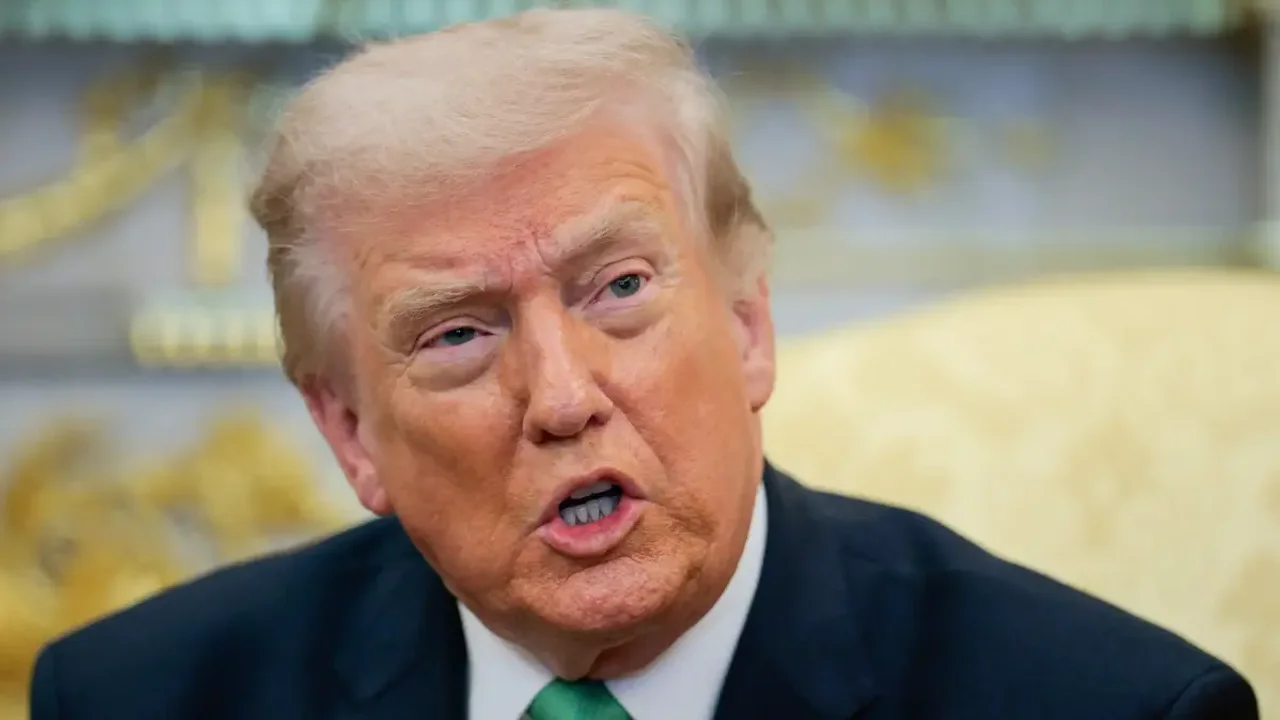
President Donald Trump has publicly criticized a memorandum of understanding with Iran negotiated by Vice President JD Vance in June, describing the diplomatic arrangement as a "waste of time." Speaking in an interview with Fox News during his trip to Asia, Trump stated that while he listened to his advisers at the time, he never believed in signing preliminary understandings and preferred moving directly to formal agreements.
Strategic Disagreements and Policy Shifts
The memorandum of understanding aimed to halt hostilities and open negotiations regarding Tehran's nuclear program, but the initiative collapsed within weeks amid fierce pushback from Republican lawmakers. Prominent conservative figures and legislators criticized the document, arguing that it granted significant concessions to Tehran without dismantling the security threat. Trump noted that the sole benefit derived from the talks was the realization that the Iranian leadership could not be trusted.
The public rebuke follows a significant realignment of portfolios within the administration. Trump recently reassigned Vance, directing the Vice President to focus entirely on combating fraud and crime within the United States rather than leading negotiations with Iran. Administration officials emphasized that the US no longer requires an agreement with Tehran, with current diplomatic efforts being spearheaded by special envoys.
Political Fallout and the 2028 Horizon
The tensions over the Iranian dossier reflect a broader disagreement between Trump and Vance regarding the military campaign and its political consequences. Following losses in the midterm elections, Vance asserted publicly that the military engagement contributed to the electoral setback, advocating instead for a diplomatic resolution. In contrast, Trump defended the decision to enter the conflict, affirming that he would take the same course of action again and rejecting the notion that political considerations should dictate national security decisions.
Despite the friction and private doubts expressed regarding the strategic wisdom of the June memorandum, Trump has avoided a direct personal attack on his deputy or declaring a loss of confidence. Administration sources noted that Vance could resume a central role if a viable diplomatic opportunity emerges, yet the public disagreement highlights significant policy debates within the White House as the administration navigates its foreign policy agenda.