Brooklyn Sabbath Sirens Spark Panic and Noise Disputes in New York
Friday Sabbath sirens in Brooklyn neighborhoods cause panic among residents mistaking them for missile alerts, sparking municipal complaints, fines, and ongoing noise disputes.
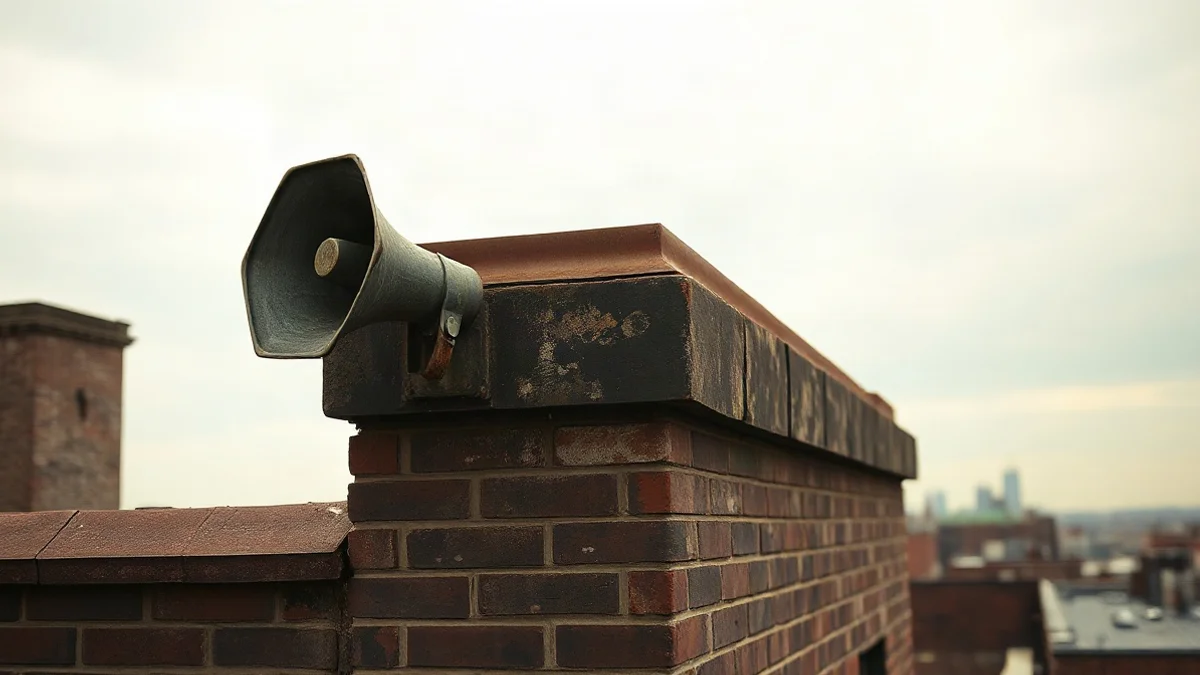
Traditional Friday afternoon sirens signaling the onset of the Jewish Sabbath in Brooklyn neighborhoods have sparked widespread panic, leading residents to mistake the loud blasts for incoming missile attacks or emergency alerts. The shrill warnings, broadcast from loudspeakers mounted on synagogue and yeshiva rooftops in areas such as Williamsburg, Crown Heights, Borough Park, and Midwood, sound twice before sundown to remind shopkeepers to close businesses and families to head home.
However, the weekly tradition has generated hundreds of complaints to municipal authorities, code enforcement inspections, fines, and petitions from newcomers who liken the ear-splitting noise to tornado sirens or wartime air-raid warnings. A prominent dispute erupted near a Satmar Hasidic synagogue on Myrtle Avenue, where a rooftop siren blares twice every Friday for approximately 90 seconds. Neighbor measurements and city inspector logs recorded sound levels reaching 106 decibels inside an adjacent apartment, matching the roar of a chainsaw and penetrating interior rooms even with closed windows.
Public Reactions and Legal Battles
Local residents expressed profound distress over the decibel levels, describing the noise as terrifyingly reminiscent of wartime sirens or heavy bombing raids. Some families reported persistent headaches and resorted to purchasing heavy-duty shooting range earmuffs to block out the sound. One affected resident attempted a direct appeal by dressing in traditional Hasidic attire to speak with the synagogue leadership, only to be informed that only the Satmar Grand Rabbi held the authority to adjust the volume.
Municipal authorities issued citations despite community leaders arguing that the traditional sirens are protected under laws similar to church bells and muezzin calls. Rabbi David Niederman, a prominent leader in the ultra-Orthodox community, noted a willingness to lower the volume levels to accommodate neighbors, and a Midwood yeshiva similarly agreed to muffle its equipment after accumulating multiple municipal citations. Despite the complaints and fines, the practice continues to operate under broad municipal noise exemptions granted to houses of worship, tracing its historical roots back to ancient Talmudic shofar blasts used to signal the end of the working week.
The Hidden Infrastructure of the Manhattan Eruv
Alongside rooftop audio alerts, a vast and largely invisible network of ritual boundaries known as an eruv operates across neighborhoods in Manhattan, Brooklyn, Queens, and the Bronx. This boundary system, constructed from thin wires, utility poles, and fences, permits observant Jews to carry objects and push strollers outdoors on the Sabbath. The famous Manhattan eruv spans approximately 40 kilometers, costs around 200,000 dollars annually in private donations to maintain, and requires rigorous weekly inspections.
Inspector Rabbi Moshe Tauber travels from Monsey twice a week before dawn to inspect the entire perimeter, ensuring the boundary withstands storms, construction work, and city disruptions. To modernize the maintenance process, 142 solar-powered sensors and 17 communication stations were installed along the eruv to instantly detect snapped wires and relay alerts to technicians. Despite the technological upgrade, Tauber continues his physical patrols, maintaining that automated sensors remain imperfect and irreplaceable.