Trump's Reliance on Erdogan Under Fire Amid Regional Instability Warnings
Critics warn that the Trump administration's reliance on Turkish President Recep Tayyip Erdogan to maintain regional order is a dangerous diplomatic gamble that undermines stability.
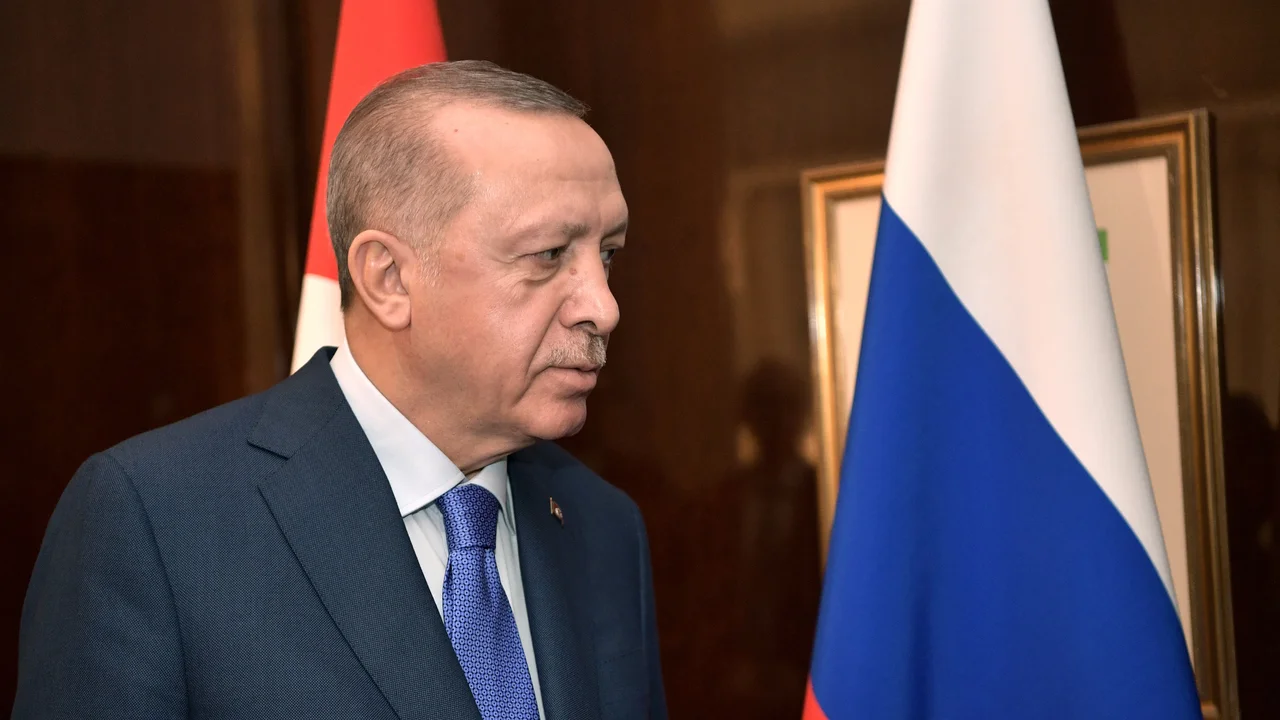
The administration of US President Donald Trump is increasingly relying on Turkey to maintain order in the Middle East and the Eastern Mediterranean, a diplomatic strategy that critics warn resembles appointing an arsonist to head a fire station. Analyst Michael Rubin argued in a recent publication that Ankara's regional actions consistently undermine stability rather than reinforce it, despite being treated as a security subcontractor by Washington.
Somalia as a Case Study of Failed Security Oversight
Turkey's intervention in Somalia illustrates the risks of this foreign policy reliance. While Ankara maintains control over Mogadishu's international airport and seaport while training local security forces under the pretext of combating the al-Shabaab terrorist group, critics characterize the approach as colonialist exploitation of local resources. Recently, the Somali commander of the Turkish-trained Danab unit defected to al-Shabaab, taking with him sensitive communication equipment, classified files, and tactical computers. Furthermore, the implementation of an electronic visa system in Somalia led to critical data leaks, and Turkish backing of an insurgency in Las Anod allowed terrorist elements to expand their operational footprint.
According to analysis, this dynamic mirrors Ankara's previous tacit facilitation of the Islamic State, which ultimately backfired and resulted in domestic terror attacks inside Turkey. Observers note that the Danab unit compromise points to either severe systemic failures in Turkish vetting procedures or the deliberate promotion of extremist sympathizers under the mistaken belief that Ankara could control them.
Broader Geopolitical Concerns and Regional Interference
Beyond East Africa, Turkey continues to act as a disruptive ally across multiple geopolitical flashpoints. President Recep Tayyip Erdogan's active support for Hamas raises concerns that the organization could plan attacks against Israel from Turkish soil with the same facility it uses in Iran. Additionally, Turkey's occupation of Northern Cyprus has transformed the territory into a hub where Iranian operatives and Sunni extremists can launder money and smuggle operatives through local casinos and universities.
Erdogan's political opportunism has frequently clashed with Western interests, including his history of leveraging NATO membership for diplomatic concessions before lifting vetoes on Finland and Sweden's accession. Ankara has also deepened its economic and technological ties with Beijing, partnering with the Chinese telecommunications giant Huawei alongside a USD 15 billion energy infrastructure agreement. When President Donald Trump previously weighed leveraging Kurdish groups to support the Iranian opposition, Erdogan reportedly threatened to aid Tehran, compounding historical concerns after Turkey previously exposed a network of intelligence operatives targeting Iran's nuclear program.