Egypt Rejects Turkey-Libya Maritime Pact Ratification at United Nations
Egypt formally notified the United Nations that Libya's parliamentary ratification of the 2019 maritime deal with Turkey carries no legal weight, rejecting the accord and related energy pacts.
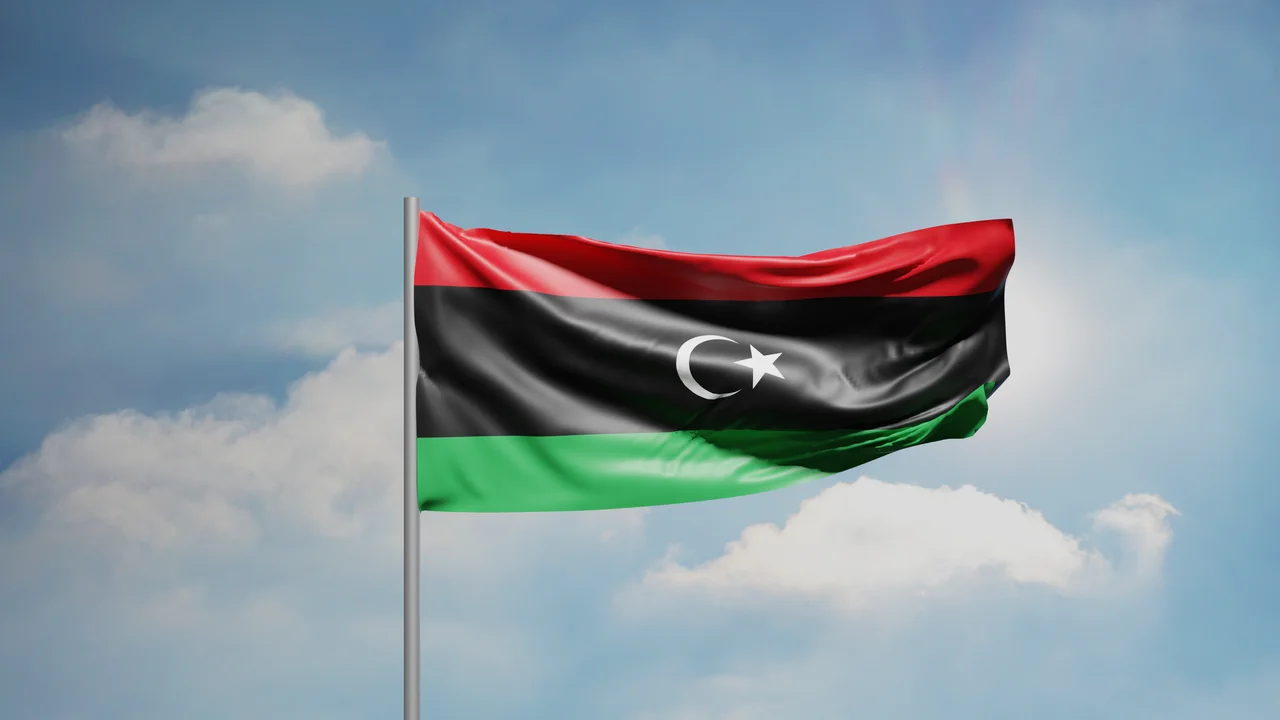
Egypt has officially reiterated its complete rejection of the maritime memorandum of understanding signed between Turkey and Libya, informing the United Nations that the Libyan parliament's recent ratification of the accord carries no legal weight or consequences for Cairo. The Egyptian diplomatic communication, dated November 5, 2026, was formally distributed as an official document of the UN General Assembly under reference A/81/479.
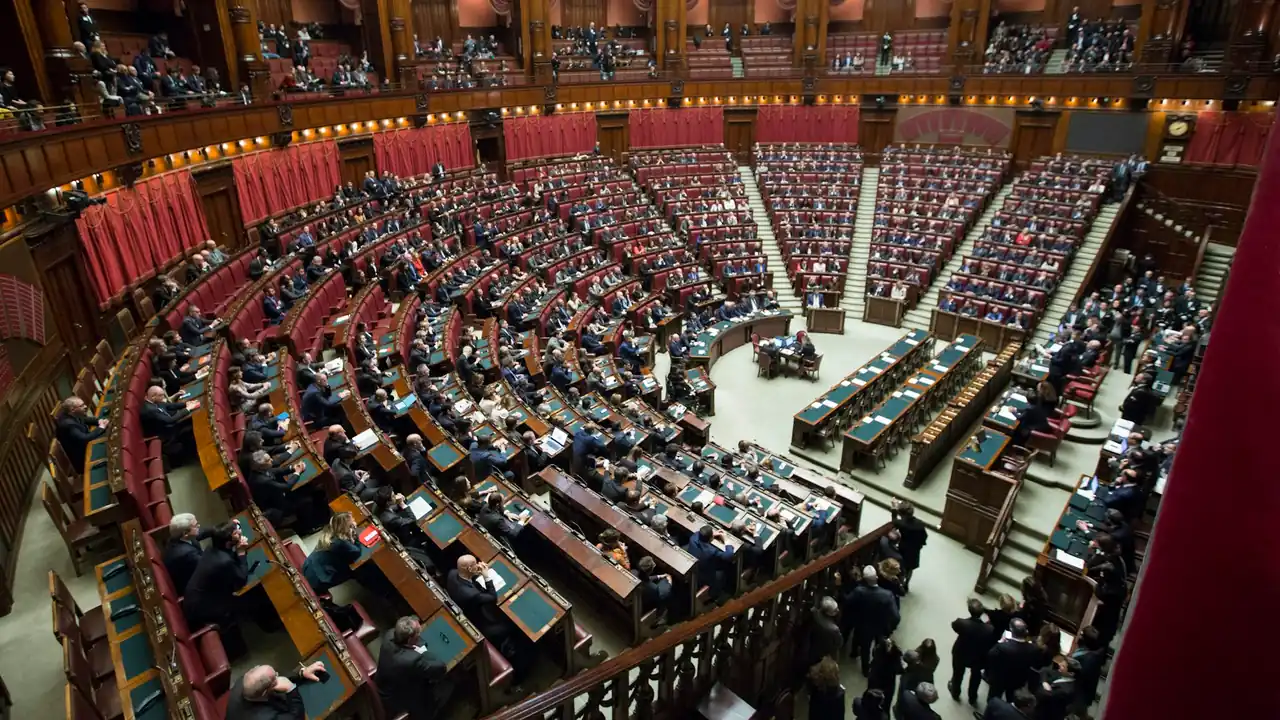
In its formal communication, Cairo also challenged the unilaterally declared maritime boundaries of Libya, rejected energy agreements concluded between Ankara and Tripoli in 2022 and 2025, and explicitly reserved its sovereign rights in the eastern Mediterranean. The Egyptian countermeasure follows a decision by the Libyan House of Representatives on October 20 to approve the controversial maritime boundary memorandum signed on November 27, 2019, between Turkey and the former Government of National Accord in Tripoli. This legislative reversal overturned previous parliamentary resolutions from 2020 that had rejected the pacts and called for a severance of diplomatic ties with Ankara.
Geopolitical Rivalries and Energy Exploration
At the core of the regional dispute lies the division of Mediterranean waters among Turkey, Libya, Greece, Egypt, and Cyprus, particularly concerning lucrative offshore oil and natural gas exploration rights. The 2019 Turkey-Libya accord establishes a maritime corridor connecting the exclusive economic zones claimed by both countries while disregarding the maritime entitlements of Greek islands such as Crete and Rhodes, according to Athens. Ankara argues that islands should not be granted full effect in maritime delimitation and that the agreement relies on equitable principles. In response, Egypt and Greece signed a bilateral agreement in August 2020 to partially demarcate their respective exclusive economic zones, a move swiftly denounced by Turkey.
The Egyptian mission to the UN emphasized that Cairo's stance on the 2019 arrangement remains unchanged, viewing the document as entirely null and void. The diplomatic note recalled that identical objections were formally registered with the UN Secretary-General in 2019, 2023, 2024, and 2025, stressing that the pact violates international maritime law and the 1982 United Nations Convention on the Law of the Sea. The parliamentary ratification in Libya carries profound political significance because the House of Representatives, based in eastern Libya and aligned with military commander Khalifa Haftar, had fiercely opposed Turkish deals with the rival administration in Tripoli for years.
Regional Repercussions and Future Dialogue
Turkey provided decisive military assistance to Tripoli forces during the conflict against Haftar's forces in 2019 and 2020, whereas Egypt firmly backed the eastern faction. The parliamentary shift illustrates a diplomatic rapprochement between Ankara and eastern Libyan authorities, potentially complicating Cairo's strategic influence in its western neighbor despite a broader thaw in bilateral relations between Egypt and Turkey in recent years. Beyond the 2019 pact, Cairo also repudiated the hydrocarbon cooperation memorandum signed in October 2022 and a June 2025 agreement between the national oil corporations of Libya and Turkey, alongside objecting to Libya's eastern maritime border declarations from May 2025 that overlap with Egypt's territorial waters and continental shelf.
Concluding its diplomatic note, Cairo emphasized that it preemptively rejects any steps infringing upon its maritime boundaries while affirming its readiness to engage in good-faith negotiations and regional consultations based on international law and equitable settlements.