Transgender Woman Recognized as Disabled Denied Allowances Over Residency Status
A 23-year-old transgender woman in Haifa, who survived severe childhood abuse and homelessness, is fighting state bureaucracy after being denied disability allowances despite official recognition of her psychiatric disabilities.
A 23-year-old transgender woman born in East Jerusalem, identified pseudonymously as Jude, has been recognized as disabled by state medical authorities but remains deprived of financial allowances due to bureaucratic residency criteria. Her life story reflects a severe cycle of abuse, abandonment, and systemic failures, beginning with extreme domestic violence and sexual assaults during her early years.
A Decade of Institutional Care and Homelessness
Born with feminine traits, Jude faced relentless abuse from family members, including physical violence from her grandmother and repeated sexual assaults by her uncle and a neighbor. Following a severe beating that required hospitalization, welfare authorities intervened and placed her in a post-hospitalization boarding school in The North, where she spent a decade away from her abusive relatives. Upon turning 18, she left the institution without identification documents, a bank account, or medical insurance, finding herself destitute and ultimately surviving through sex work while relying on emergency support programs operated by welfare services.
Her struggles were compounded by complex post-traumatic stress disorder, depression, and obsessive-compulsive disorder. In 2024, following years of advocacy, the Ministry of Interior granted her official residency status, acknowledging her severe social background and the physical danger posed by her family. However, when she applied for disability benefits, the National Insurance Institute acknowledged her mental health condition but denied her monthly payments on the grounds that she lacked residency status at the time the trauma occurred.
Legal Battle and Court Intervention
Represented by legal counsel from the legal aid project for the transgender community, Jude filed a lawsuit challenging the denial. Attorneys pointed out the paradoxical nature of the state's position, noting that authorities had maintained custody and responsibility for her in state-funded institutions for years without regularizing her legal status.
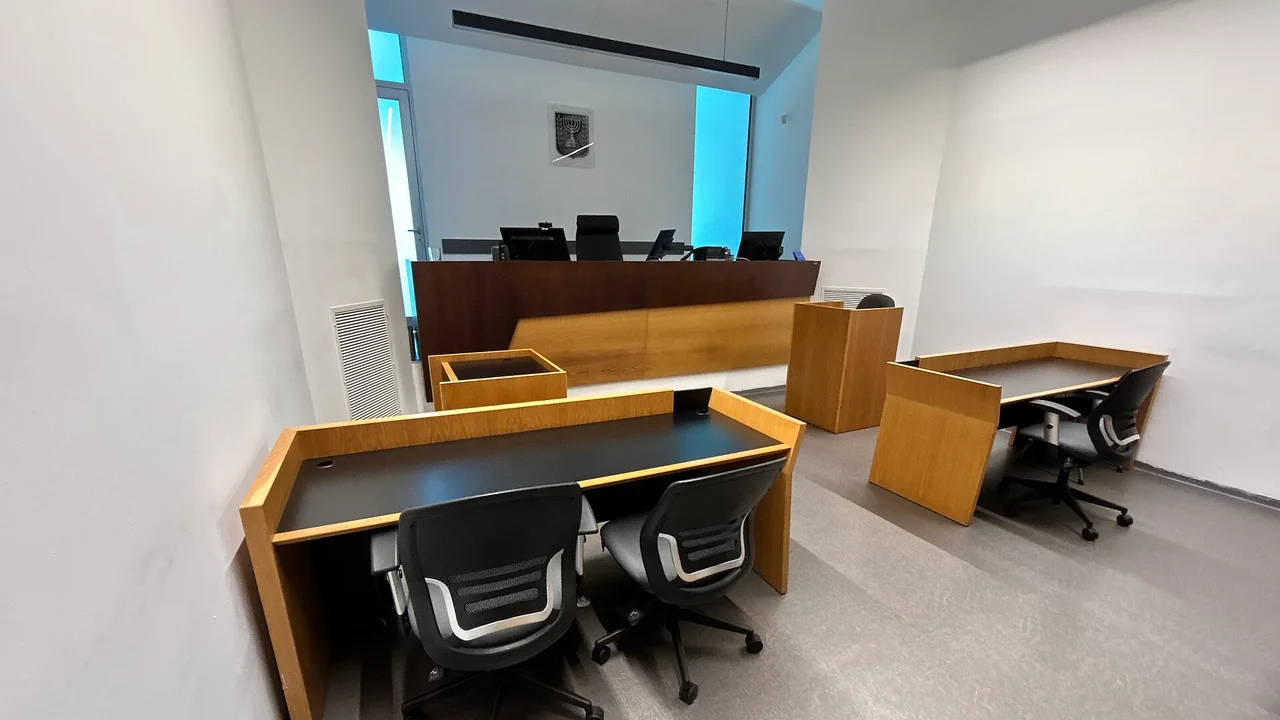
In August, the Regional Labor Court in Haifa ruled in her favor, ordering the National Insurance Institute to disburse disability payments from the date of the medical committee's recognition. Despite the judicial ruling, payments were delayed, prompting her legal team to file a motion for contempt of court, with a hearing scheduled.
"I wake up in the morning, drink water, take medication, and go back to sleep," Jude said. "Sometimes I ask myself why live? I have no family, no money. All I am asking is for them to let me live."
In response, the National Insurance Institute stated that it operates in accordance with the law while seeking additional medical documentation from health maintenance organizations to evaluate potential updates to her status following her residency recognition, emphasizing that it is exploring legal avenues to assist her rather than contesting the court's verdict.