Political Impasse Threatens Israel's Education System Ahead of Wage Talks
Israel's educational system faces severe disruptions as political deadlocks threaten teacher wage negotiations, special education reforms, and critical student programs.
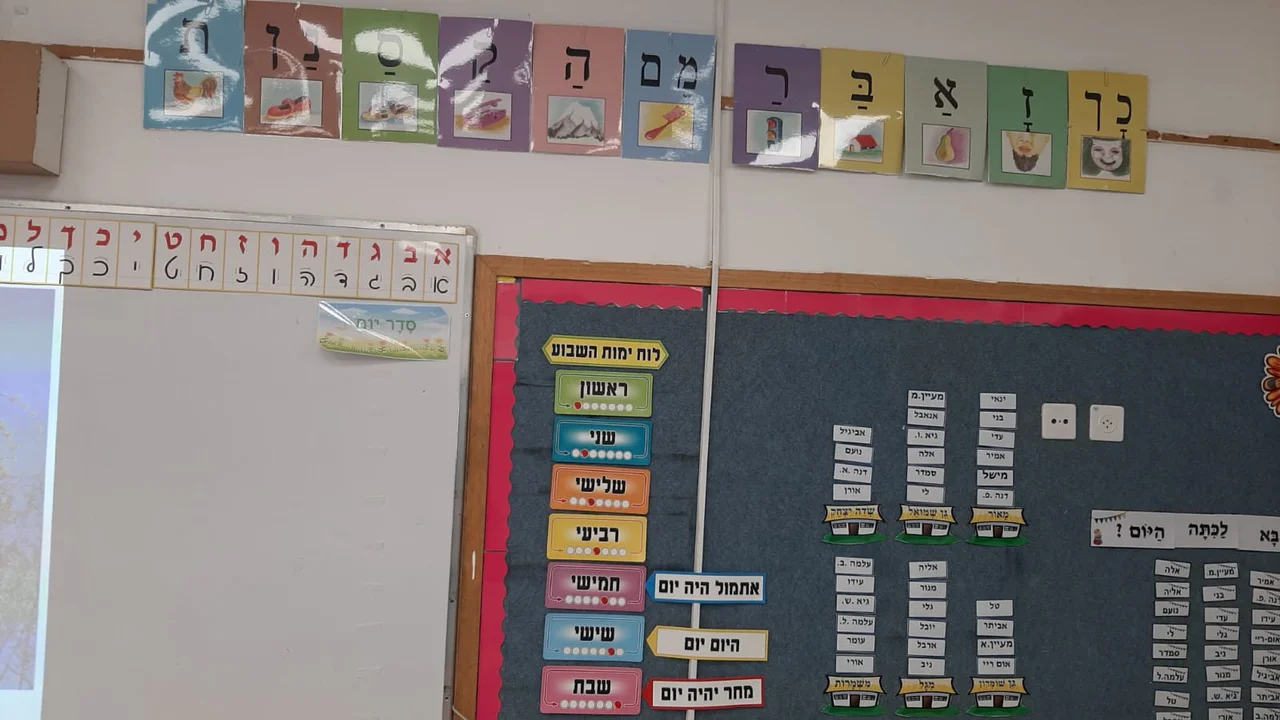
Israel's educational system faces compounding crises as a prolonged political impasse and the absence of an approved state budget threaten structural reforms and student rehabilitation programs. Schools already struggle with severe teacher shortages, difficulties in implementing special education reforms, and ongoing challenges in supporting students affected by conflict across The South and The North.
Looming Labor Disputes and Wage Negotiations
As the current wage agreement with the Israel Teachers Union approaches its expiration at the end of the year, the stability period between the parties is drawing to a close. Without organized negotiations, the union, led by Yaffa Ben-David, could resort to organizational measures and declare strikes over salary demands. Educational insiders warn that the lack of an active government and ministers will likely hinder the Ministry of Finance from advancing comprehensive systemic changes, narrowing negotiations down to immediate wage increases and strike prevention.
Key structural issues set to feature in the discussions include proposals for a five-day school week, strengthening the professional status of educators, and practical solutions to combat chronic staffing shortages. Furthermore, the union fiercely opposes a central proposal to transfer administrative authorities from the Ministry of Education to local government bodies.
Chronic Staffing Shortages and Burnout
Classrooms nationwide have grappled with insufficient qualified personnel for two decades. This deficit has forced school principals to hire uncertified educators lacking academic degrees or proper pedagogical training. Consequently, one in three teachers reports severe professional burnout, negatively impacting educational quality for students.
Impact on Vulnerable Programs and Special Education
The ongoing deadlock threatens routine Ministry of Education operations, including regional support initiatives for communities in The South and The North, emotional rehabilitation programs, and academic gap-reduction projects. Special education students remain particularly vulnerable. A hasty amendment to the special education law—enacted previously despite warnings from the Israel Teachers Union and the Association of Education Department Directors—has generated widespread administrative chaos, increased violence, and frustration among teaching staff.
While Minister of Education Yoav Kisch previously appointed a committee to re-examine the legislative amendment, its complex implementation was deferred to address wartime evacuations. Stakeholders emphasize that without structural adjustments integrated into the forthcoming wage agreement, necessary reforms will remain stalled at the expense of future generations.