Drawing a line against Erdogan — and a message to Al-Shara: behind the mysterious attack in Syria
It is likely that the attack last night in northeastern Syria was intended to achieve strategic goals, similar to last April, when the IDF bombed the T4 airport: to remind Erdogan where the border lies — and to clarify to Al-Shara not to go too far. Since the fall of Assad, Ankara has been working to establish air defense systems in Syrian territory — which would limit the IDF's freedom of action.
In early April 2025, Air Force planes attacked the runways and facilities of the T4 airport in Syria. This was not the first time this airfield was targeted by the Israeli Air Force. During the Syrian civil war, the T4 military airfield was used not only by the Syrian Air Force but also by the Iranians, who attempted to transfer sophisticated air defense systems through it to Hezbollah and Syria.
However, the April 2025 attack had a different strategic context. International media reported that the Air Force targeted the T4 runways because the Turks — following the fall of Bashar Assad's regime — attempted to seize the airfield to install air defense systems and detection radars. Israel decided to draw a line in the sand: as Turkish military forces, engineers, and contractors approached the airfield, the Israeli Air Force bombed the runways to signal that Israel would not tolerate their establishment in such a strategic location. Installing detection and interception systems there would severely damage the freedom of action of the Israeli Air Force over Syria and along the air route for potential strikes against western Iran. While these details were never officially confirmed, they were not denied.
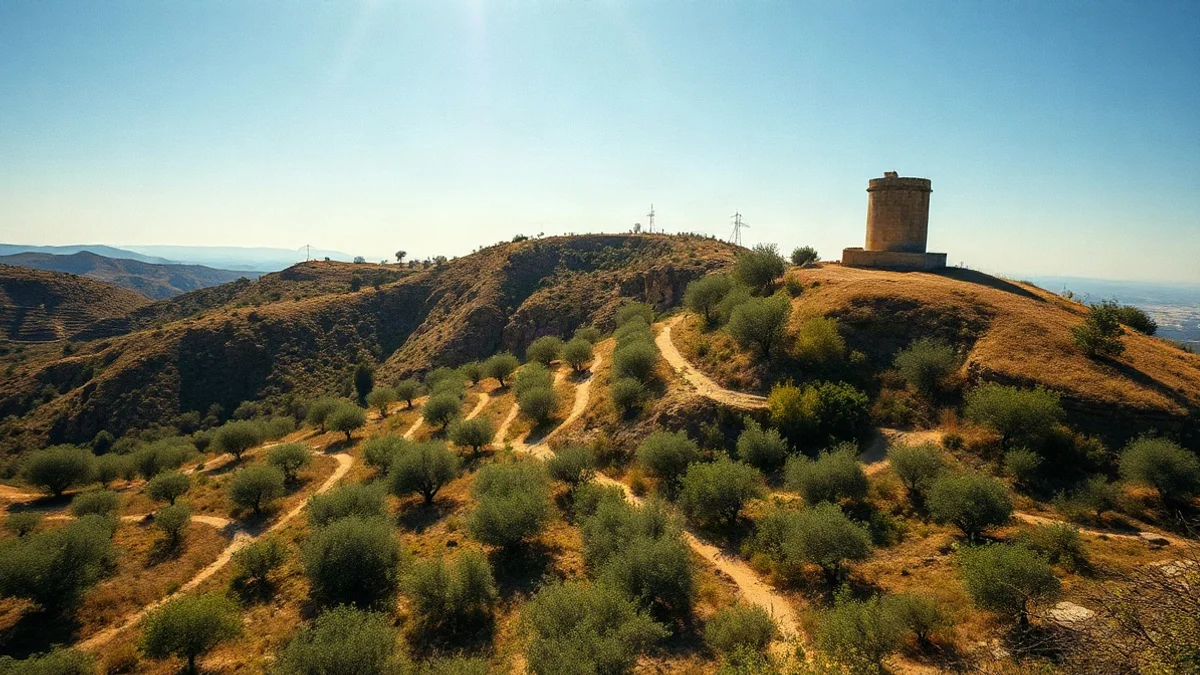
It is highly probable that the recent bombing, attributed to the Israeli Air Force, of the Abu al-Duhur airport in northeastern Syria, was carried out for similar strategic reasons. Abu al-Duhur, a large airfield with 22 runways, became effectively unused after the Israeli Air Force destroyed the Syrian army's aircraft during the transition of power to Ahmad Al-Shara.
Recent reports in Qatari media indicate that Turkey is attempting to establish a presence at this airfield to install radar and missile interception batteries. A Turkish presence with such capabilities endangers not only Israeli aerial freedom of action throughout Syria but also impacts the context of potential renewed conflict with Iran. Israel is acting to prevent a Turkish military establishment that would limit its freedom of action in the strategic space of northeastern Syria, northern Iraq, and western Iran.
Israel is attempting to avoid direct confrontation with Turkey; therefore, the bombing was conducted at night in unpopulated areas, ensuring no Turkish soldiers or civilians were present. While Israel maintains official silence, a senior official told Fox News that Jerusalem shared "sensitive intelligence" with Washington before the strike. The message is also directed at Syria's new ruler, Ahmad Al-Shara: Israel will not agree to Turkey seizing strategic points that threaten Israeli interests.
Al-Shara owes a debt to the Turks, who provided him with weapons, training, and protection when he led jihadist forces in the Idlib area. Israel is warning him not to overstep. Official Syrian and Turkish media condemned the strike, as did US Ambassador to Turkey Tom Barc, who also serves as President Trump's envoy to Syria. Barc, of Lebanese origin, is known as a supporter of President Erdogan and a patron of Al-Shara. From the US perspective, Israeli strikes in Syria interfere with the Trump administration's efforts to court Erdogan and integrate Syria into the pro-American camp being built in the Middle East.