Everyone against everyone in the Likud primaries: deals, clashes, and the struggle for voters
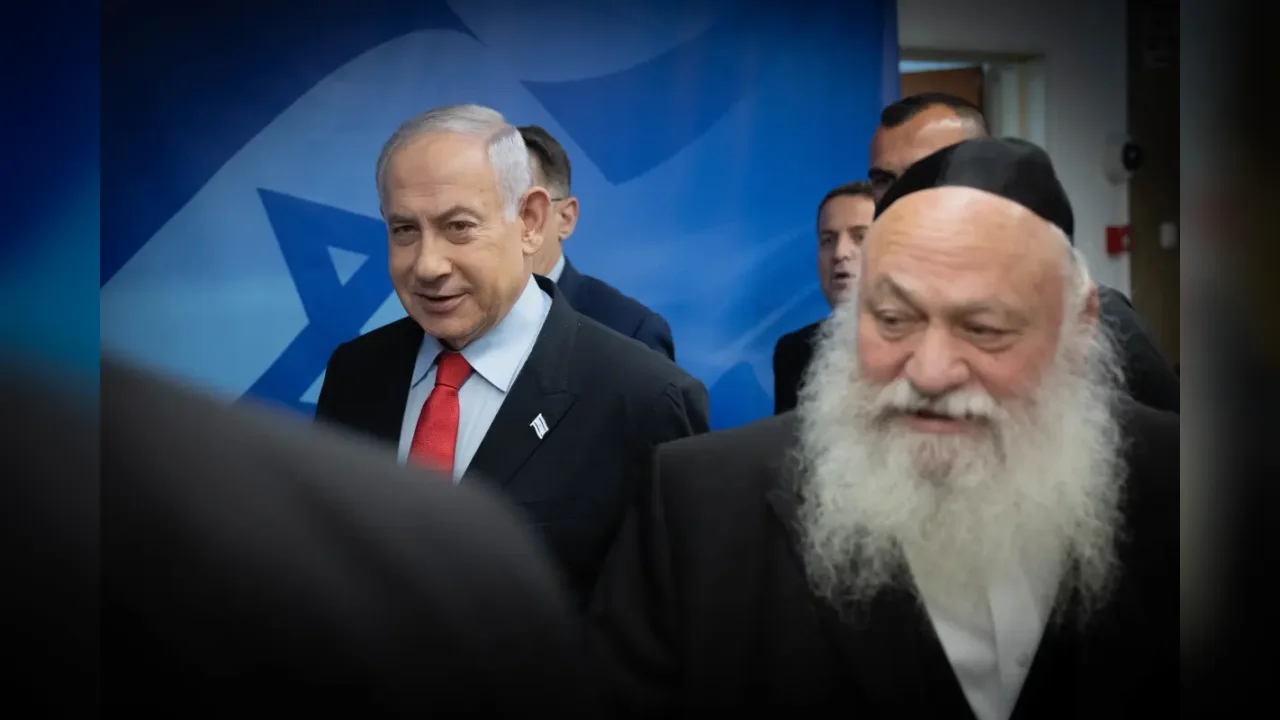
In the shadow of dismal polls and the many reserved spots promised to Benjamin Netanyahu, the primaries will be among the toughest and most significant, as the structure of the list will indicate the party's line for the day after. In the remaining week, MKs and ministers are stepping up efforts, and Netanyahu hopes for a list that will bring back the voters who abandoned it. Tension is rising ahead of the decision on the petition against the Likud party court.
After internal struggles that caused many delays, only a week remains before the Likud primaries. Ministers and Knesset members are making final efforts to capture high spots on the list. In one of the toughest contests for a seat in the next Knesset, with a relatively large number of reserved spots for Prime Minister Benjamin Netanyahu and relatively low polling numbers, it is clear that the battle this time is harder than usual.
Accordingly, candidates are spending their final days at special conferences in Likud strongholds, meetings with key activists, and producing content for social networks in an attempt to reach free voters. There is also significant agitation ahead of the decision regarding the appeal against the ban on MKs running in the districts.
Likud has about 142,000 eligible voters. The vote is divided between free voters (about 60%) and those belonging to large recruiters and organizational deals (about 40%). Deals are conducted such that an MK who gathers a large number of voters can guarantee their support for a candidate in exchange for reciprocal backing. While common, these exchange deals often cause clashes when a candidate fails to "deliver the goods" and bring their supporters to the table.
Minister Haim Katz, a Likud veteran, is considered one of the strongest figures due to his almost complete control over the voting of Israel Aerospace Industries employees. Similar voting patterns have developed over the years in other organizations, including Israel Railways, the Teachers' Union, and the Airports Authority.
This week, MK Tali Gottlieb revealed that a "political liquidation" campaign has been taking place to push her down the list. Gottlieb, who is running for the first time without a guaranteed spot, works solely among free voters, making her an exceptional phenomenon. MK Eliyahu Revivo has openly claimed that "Gottliebism" is destroying Likud.
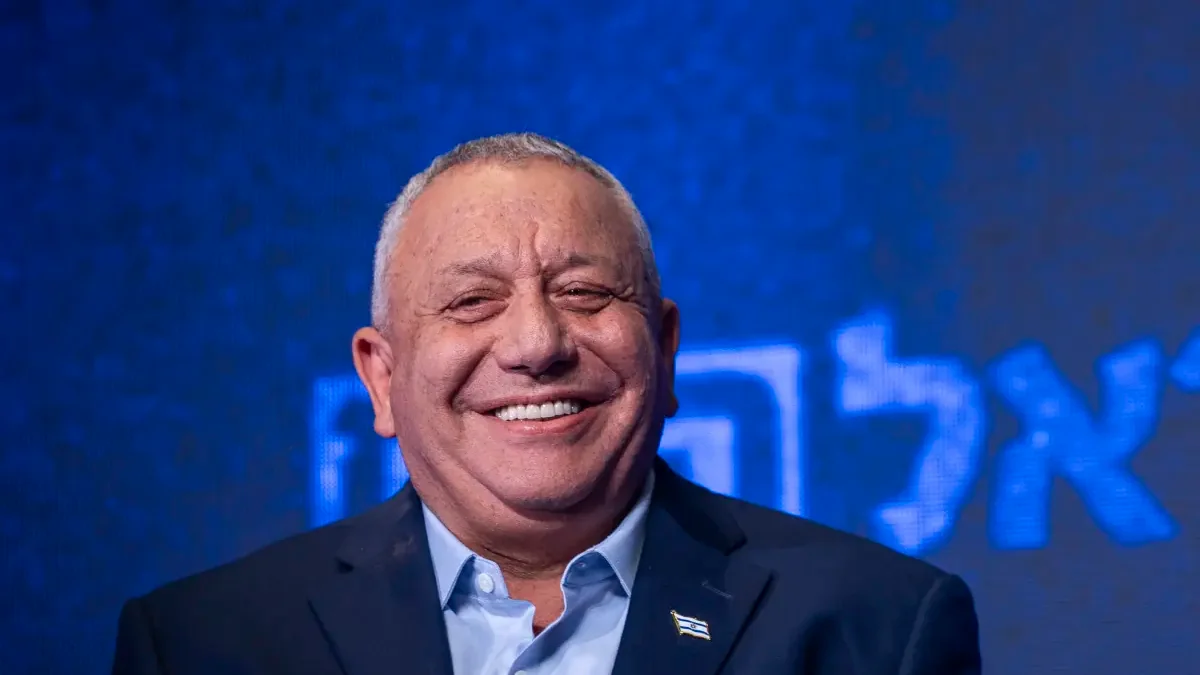
In Netanyahu's office, involvement is greater than ever due to the party's difficult polling situation. The Prime Minister is interested in creating a moderate and balanced list to bring back an audience that partly moved to the "Yesh!" party led by Gadi Eizenkot, as well as voters who feel they have no one to vote for.
According to a deal reached with the chairman of the Likud center, Netanyahu will receive 8 reserved spots up to place 29. One of these has been promised to Haim Katz. There is also speculation that a reserved spot may go to MK Eti Atiya if the petition filed to the District Court is rejected, preventing incumbent MKs from running in district slots. The contest has raised the pressure to new heights: who will retire, and who will continue to the next Knesset.