Tnuva Eyes Canned Tomato Market as Subsidized Imports Threaten Local Farming
Tnuva is considering entering the canned tomato market as cheap imports from Europe and China threaten local agriculture, which has halved over three years amid heavy foreign subsidies.
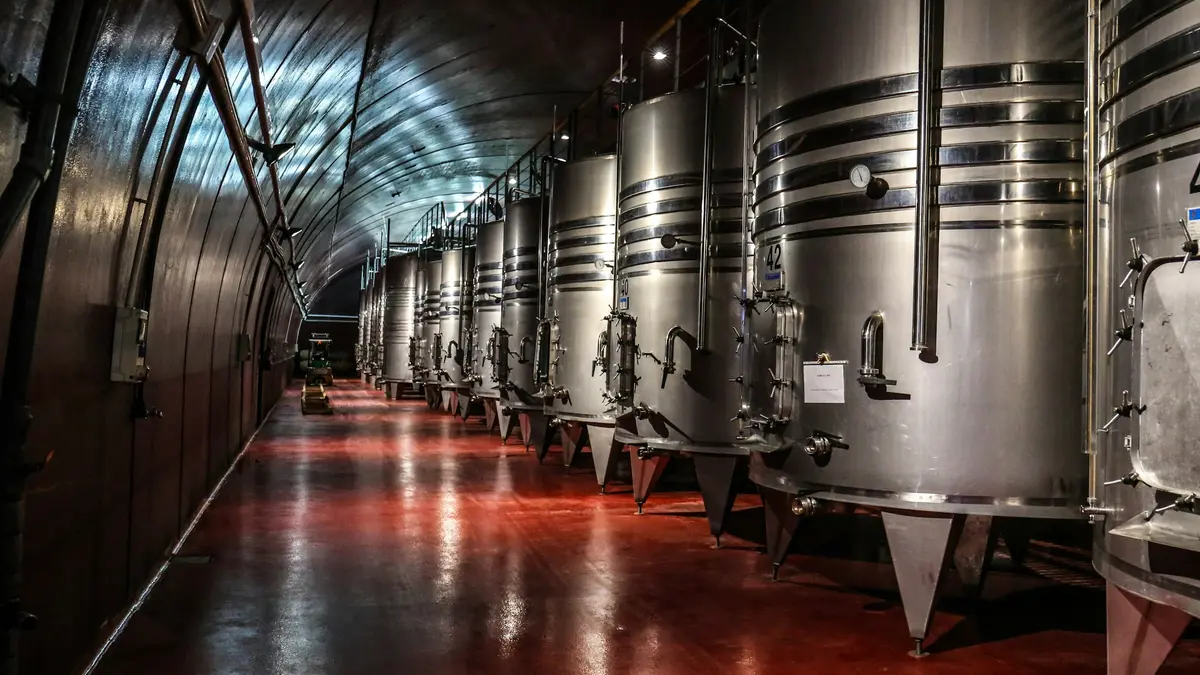
Tnuva, Israel's largest food conglomerate, is currently evaluating entry into the canned tomato market, potentially challenging existing premium imports such as Mutti. This market shift comes as the Israeli agricultural sector for industrial vegetable production faces severe strain, with industrial crops contracting significantly over the past three years.
The Impact of Subsidized European and Asian Imports
Industry insiders report that agricultural cultivation for industrial processing has plummeted by 30% to 40% annually. Over the past two years alone, sweet corn cultivation for industrial use dropped sharply from over 50,000 tons to just 20,000 tons. Industrial tomato production has experienced a parallel decline, threatening long-term food security and local processing capabilities.
European industrial tomatoes are priced approximately 30% lower than Israeli produce due to extensive agricultural subsidies provided by the European Union. Furthermore, the market has seen a surge in low-cost canned legumes and vegetables imported from China, Thailand, and the Netherlands by prominent local players including Strauss Group and Carrefour, alongside specialized food importers.
Industrial Challenges and Energy Costs
Local manufacturers emphasize that competing against heavily subsidized foreign agriculture is mathematically unviable without state intervention. Industrial raw materials frequently account for half or more of a finished product's total cost.
"When products arrive cheaply from imports, it primarily damages Israeli agriculture and subsequently the local industry, but this is not a popular topic because consumers want short-term price relief," an industry executive noted.
Compounding the competitive disadvantage, Chinese manufacturers benefit from discounted energy costs by trading extensively for Russian oil and gas amidst ongoing global conflicts, while foreign exchange fluctuations further undermine local manufacturing.
Concerns Over Food Security and Long-Term Dependency
Agricultural producers warn that excessive reliance on foreign suppliers creates severe geopolitical vulnerabilities. Historical supply disruptions, such as trade restrictions previously imposed by Turkey, highlight the risks of depending entirely on external markets for essential food supplies.
Industry representatives argue that rather than allowing local agriculture to erode, government policy should address core cost disparities by supporting local farmers directly. Without substantive state backing, processing plants across the country face continued closure, permanently altering domestic food production capacity.