Altman CEO David Gordon on the Booming Supplement Market and Anti-Obesity Drugs
Altman CEO David Gordon discusses the 1.5 billion shekel dietary supplement market, launching treatments for anti-obesity drug side effects, and navigating retail competition.
David Gordon rises at 5:00 AM for a morning run in Ramat HaSharon, a routine where he makes his most critical decisions as CEO of Altman. Celebrating 26 years at the company and over three years at its helm, Gordon steers Altman as the undisputed leader of Israel's 1.5 billion shekel dietary supplement market. Holding an estimated 19% market share, the company is fully owned by Maaleh Group, which operates under Maabarot Products and also manages animal health brands including Biopet, Anipet, and Lansinoh. Altman generates hundreds of millions of shekels annually, competing against private labels from health maintenance organizations and pharmacy chains.
Targeting the Anti-Obesity Drug Wave
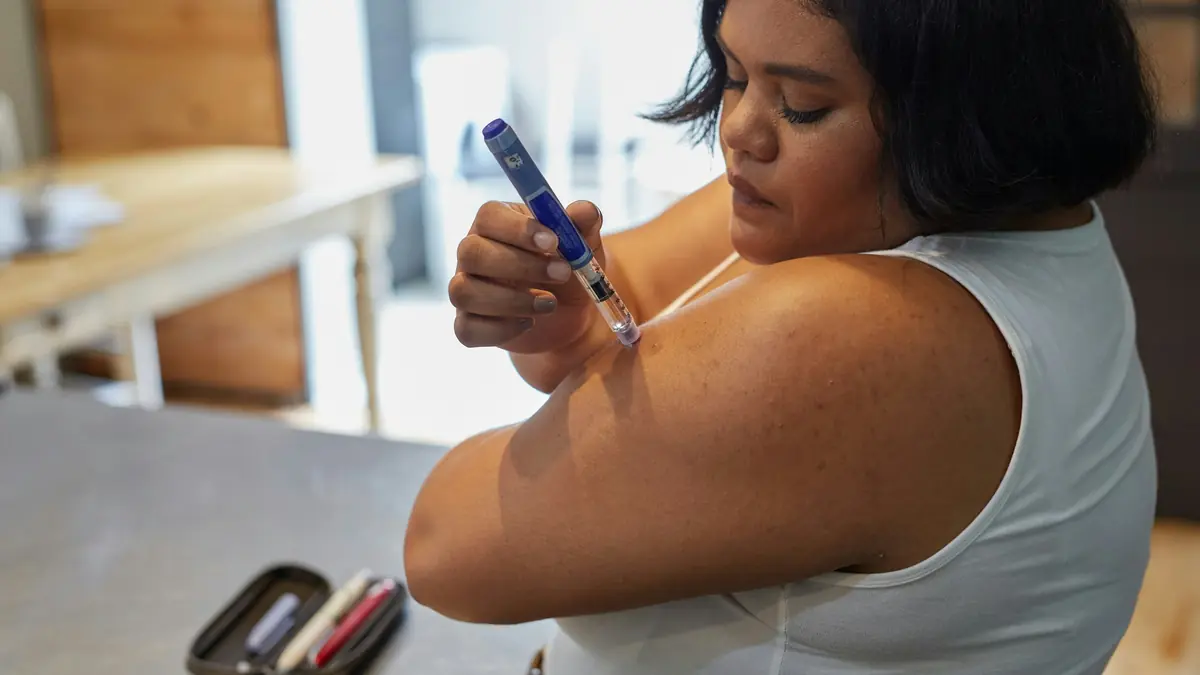
Among the latest developments shaking the global healthcare and retail sectors, anti-obesity medications such as Ozempic and Wegovy stand out. Altman recently introduced GL-Plex, a new series of dietary supplements designed to mitigate side effects associated with weight-loss treatments. Gordon emphasizes the clinical terminology: obesity is a disease, and as a science-driven health promoter, Altman addresses emerging real-time needs. With approximately 400,000 Israelis currently utilizing anti-obesity injections and oral tablet options entering the market, user numbers are projected to surge. Comparing the phenomenon to the artificial intelligence revolution, Gordon notes that these treatments reshape personal behavior, lower caloric intake, reduce supermarket and restaurant spending, and compel food giants such as Nestlé, McDonald's, Burger King, and Coca-Cola to reformulate products.
While these medications effectively target satiety mechanisms in the brain, they trigger significant side effects including nausea, constipation, diarrhea, muscle mass depletion, and nutrient deficiencies such as vitamin B12 and biotin. Altman entered this treatment gap by developing specialized multivitamins and targeted probiotics. Distribution is conducted directly through family physicians and pharmacists rather than social media influencers. Gordon explains that consumers facing genuine health challenges turn to accredited professionals, mirroring a broader post-pandemic trend toward proactive self-care and stress-management products.
Supply Chain Rigor Versus Online Imports
Addressing the competitive pressure from foreign e-commerce platforms like iHerb—where Israel ranks third globally in purchase volume behind the United States and Japan—Gordon defends local pricing by highlighting strict supply chain integrity. While online discounters offer lower entry costs, maintaining a cold chain for live probiotics under harsh local temperatures requires rigorous temperature control and regulatory compliance. Altman oversees strict laboratory testing and imports branded raw materials, providing consumers with guaranteed safety and clinical consultation from staff dietitians. Despite heavy regulatory burdens imposed by the Ministry of Health on importing companies compared to personal online imports, Altman continues to innovate by entering categories untouched by competitors, supported by over thirty years of pharmaceutical roots.
Strategic Growth and Expansion Plans
Altman maintains its primary focus on the domestic market rather than pursuing international expansion. Core revenue drivers include pregnancy care, iron supplements, and probiotics, with pregnancy and women's health serving as key pillars of future growth. Following the acquisition of the Lansinoh nursing brand, Altman plans to introduce specialized women's health products currently unavailable in Israel. The company intends to expand beyond traditional dietary supplements into medical devices, intimate health, and longevity solutions. While parent company Maabarot divested its vitamin production facility in Poland, Altman continues to design proprietary formulations manufactured by vetted international partners, backed by the financial strength and strategic oversight of the Maabarot Group.