Tidhar Records Sharp Third-Quarter Sales Decline While Posting Positive Profit
Tidhar reported a sharp drop in apartment sales to 19 units in the third quarter of 2026, contrasting with strong financial results, higher revenues, and a net profit of 96 million shekels.
Tidhar experienced a sharp contraction in apartment sales during the third quarter of 2026, dropping to just 19 units sold with a financial volume of approximately 120 million shekels. This follows an extraordinary second quarter in which the company sold 279 apartments, largely driven by concentrated sales campaigns, including a partnership with the Hever consumer benefits club. In the same period last year, Tidhar sold 32 apartments.
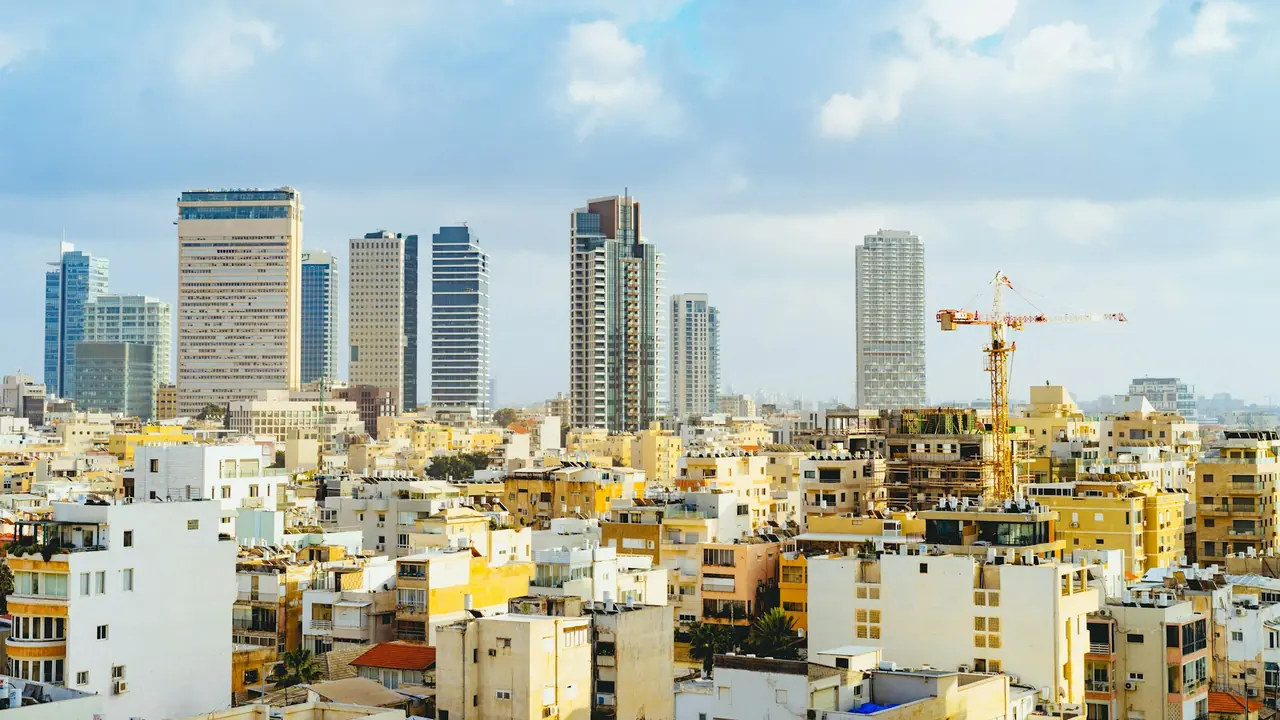
Several developments recorded zero sales during the third quarter. The Emek Beracha project in Tel Aviv, which features 124 apartments for marketing, has not recorded any sales since the beginning of the year. The project is at a relatively early stage of construction with an approximate 6% completion rate and an expected completion date in 2030. Similarly, no apartments were sold during the third quarter at the TRUE and Tzirlson projects in Tel Aviv, the HaGiborim project in Bat Yam, or the first phase of the Kochar HaTzafon project in Ashdod, which had sold 78 apartments in the previous quarter.
Project Sales Breakdown and Price Trends
Other company projects recorded minimal transactions. Rothschild 10 in Tel Aviv sold one apartment, while Bein HaSderot in Tel Aviv recorded two sales compared to 136 in the second quarter. The second phase of Kochar HaTzafon in Ashdod and the HaSolelim project in Tel Aviv each sold three units, and the Sheret project in Tel Aviv recorded six sales. Despite the third-quarter slowdown, total sales since the beginning of the year remain stable due to the second-quarter surge, which accounted for 265 of the 279 units sold in that period. During the first nine months of the year, Tidhar sold 316 apartments and cancelled four contracts, bringing net sales to 312 units compared to 191 units in the corresponding period last year. Following the end of the quarter and up to the publication of the report, the company sold 11 additional apartments and cancelled two, resulting in nine net sales for that timeframe, while six purchase contracts were cancelled overall since the start of the year.
Amid the sales slowdown, Tidhar highlighted a positive metric regarding financing terms. The share of transactions utilizing favorable financing conditions stood at only 15.5% of sales in active construction projects during the first nine months of the year, compared to 45% of contractor market transactions in September according to Ministry of Finance data. Alongside reduced unit volume, the report indicated lower average apartment prices. The average contractual apartment price during the quarter reached 3.2 million shekels, compared to 4.2 million shekels in the same period last year, excluding the significantly higher-priced Rothschild project. The company noted that this variance stems from the specific product mix sold, although nearly all projects registered a lower price per square meter in the third quarter compared to 2025 pricing, with declines observed at Bein HaSderot, Kochar HaTzafon Phase II, HaSolelim, Rothschild 10, and Sheret.
Financial Results and Income Recognition
Despite the drop in quarterly sales, Tidhar's entrepreneurial sector sustained positive revenues and profitability. Sector revenues for the quarter reached approximately 197 million shekels, compared to 163 million shekels in the corresponding period last year. Gross profit totaled about 53 million shekels, up from 47 million shekels, and adjusted net profit stood at roughly 11 million shekels, recovering from a loss of 49 million shekels in the same period last year. The divergence between third-quarter sales pace and financial results occurs because project revenues and profits are not exclusively registered at the signing of a sales contract; under accounting rules for long-term projects, revenue is recognized based on construction progress, meaning prior-quarter sales continue to impact current financial statements.
In the income-producing properties sector, progress was noted at the BEYOND project, where the company signed lease agreements for approximately 34,000 square meters of commercial and office space expected to generate about 59 million shekels in annual revenue. These contracts lifted the project's leasing rate to roughly 70%. Overall, the income-producing properties segment showed stable revenues with occupancy at 92.3%, though positive property revaluations pushed the sector's quarterly profit to 67 million shekels compared to 4 million shekels in the prior year.
Tidhar's construction execution backlog extends to approximately 13 billion shekels through 2030. Construction segment revenues in the third quarter reached 680 million shekels, compared to 689 million shekels in the corresponding period last year, while gross profit rose to 61 million shekels from 52 million shekels, accompanied by improved gross margins. Tidhar attributed the margin enhancement to the absorption of previous wartime impacts on affected projects and the onboarding of new execution projects with higher profitability ratios. Overall, Tidhar Group's total third-quarter revenues reached 783 million shekels, an 8.6% increase over the same period last year, with gross profit totaling 137 million shekels and net profit reaching 96 million shekels, recovering from a 26 million shekel loss in the corresponding quarter.