Self-Employed Forum Demands Emergency Compensation and Legal Protections
The Independent and Freelancers Forum urged political leaders to enact an automatic emergency compensation mechanism and broader legal protections for self-employed workers in Israel.
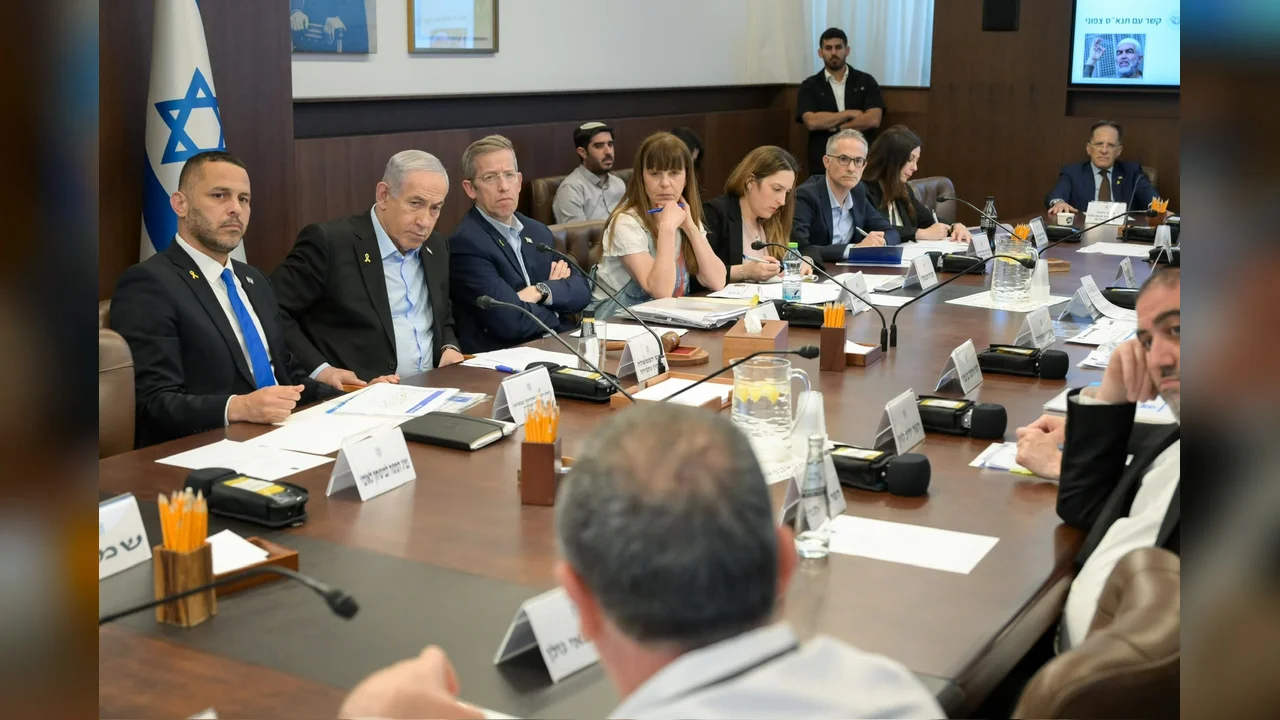
The Independent and Freelancers Forum, operating under the Histadrut labor federation, has formally petitioned key national political leaders to integrate a comprehensive self-employed protection plan into the incoming government guidelines and coalition agreements. The appeal was submitted to Prime Minister Benjamin Netanyahu, Yashar! party leader Gadi Eisenkot, BeYahad party leader Naftali Bennett, and Yisrael Beiteinu party leader Avigdor Lieberman, amid ongoing economic fallout from wartime disruptions, prolonged reserve military duty, and revenue losses.
Signed by Forum Chairman Rami Bezha, the letter stresses the vital economic weight of the sector. Small and medium enterprises account for roughly 60 percent of jobs in the business sector and about 53 percent of its overall output. The document argues that the state cannot rely on independent professionals as growth engines during routine periods while leaving them largely unprotected during acute national emergencies and economic crises.
Core Demands for Financial Safety Nets
The forum's primary demand centers on establishing an automatic economic safety net triggered instantly upon the declaration of a state of emergency. This mechanism would distribute subsistence grants and revenue compensation without forcing business owners into protracted public battles for assistance during every crisis. Additional demands include statutory entitlement to sick leave, mourning compensation, and unemployment benefits for the self-employed, alongside revised accident compensation frameworks.
To modernize the sector, the forum calls for formal legal recognition of freelancers to adapt tax, insurance, and pension structures to independent labor. Tax proposals involve expanding the micro-business reform threshold to enterprises with annual revenues up to 300,000 shekels, granting tax relief to startups, and broadening recognized business expenses. Financing proposals include state-backed loan funds for credit-constrained small businesses, alongside enhanced business mentoring.
Family Support and Technological Adaptation
The proposals further address work-family balance by requesting tax recognition for early childhood education expenses, customized maternity leave conditions for female independent workers, and expanded workplace harassment protections for freelancers. The document also addresses artificial intelligence disruptions, urging a state-backed strategy to help small firms adopt advanced technology while providing training for displaced workers.
"These demands are not privileges or handouts, but rather a correction of historical distortions and the establishment of the socio-economic foundation necessary for the self-employed to thrive and contribute to the Israeli economy," the forum stated, adding that a strong national economy requires concrete legislative action rather than empty declarations.
Bezha concluded that the time has come to legally codify the status of independent professionals in Israel, ensuring stable operating conditions and long-term economic resilience.