Keshet and Reshet Ordered to Invest 70 Million Shekels in Local TV Deficit
Keshet and Reshet must invest 70.5 million shekels in local TV productions after missing regulatory targets for 2022-2023, while smaller channels receive new fee relief.
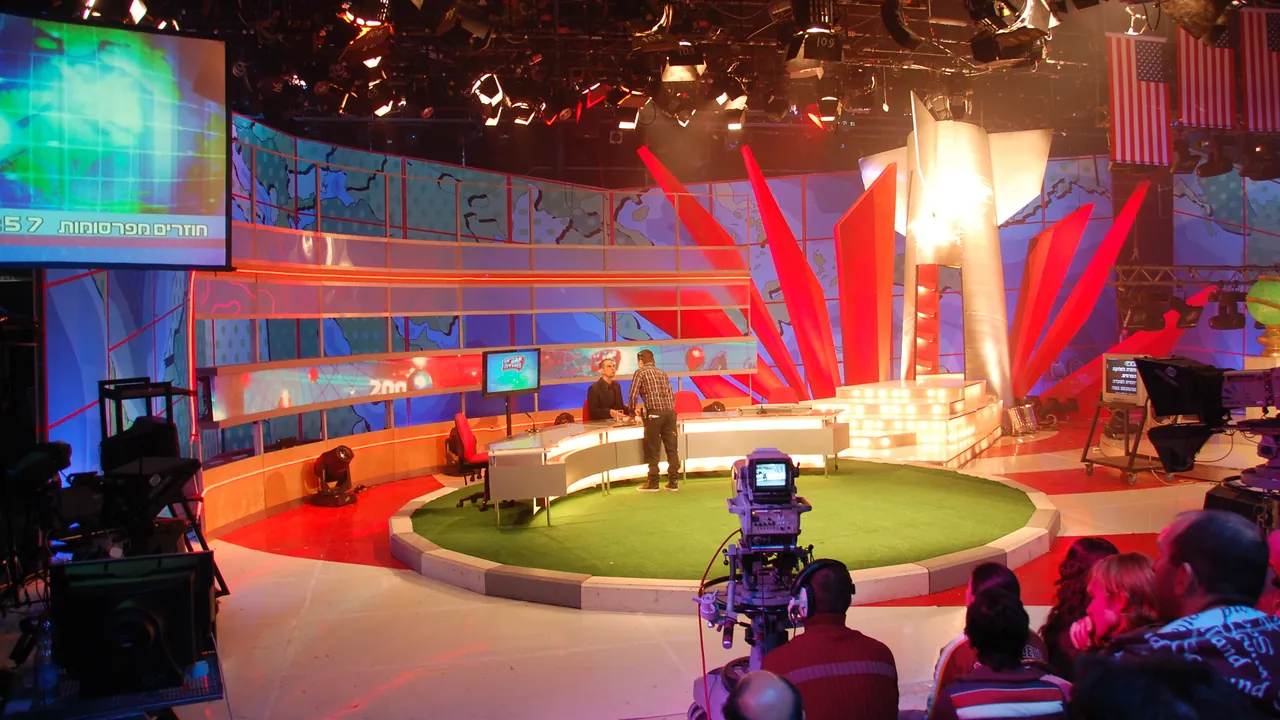
The Second Authority for Television and Radio has approved its performance reports for 2022 through 2023, revealing a significant shortfall in local programming commitments by major commercial broadcasters. According to the published findings, Keshet and Reshet failed to fully meet their regulatory quotas during the reporting period and must now inject an additional 70.5 million shekels into high-quality original television productions.
Broadcaster Breakdown and New Regulatory Metrics
A closer examination of the data shows a stark contrast between the two networks' spending figures. Keshet poured 256.5 million shekels into elite productions across the two-year span, yet it still faces a required supplementary investment of 12.8 million shekels to fulfill its statutory obligations. Reshet reported spending 78.9 million shekels on comparable programming, but it must complete a much larger deficit of 57.7 million shekels to comply with regulatory standards.
To ensure transparency and adapt to modern broadcasting habits, the Second Authority council also overhauled how investment quotas are calculated. Starting with the 2024 financial reports, the revenue baseline used to determine production obligations will incorporate earnings generated from internet-based OTT distribution platforms. Second Authority Chairman Mordechai Mordechai emphasized the council's commitment to oversight:
"The Second Authority attaches great importance to strengthening investment in high-quality productions and will continue to closely monitor actual execution to ensure that the designated volumes are fully realized and directed toward quality creation for the benefit of the entire Israeli public."
Relief for Smaller Commercial Channels
In a parallel development, Minister of Communications Shlomo Karhi signed new regulations reforming the license fee mechanism for television channels operating under the Second Authority. Under the updated framework, license fees are standardized at 1.5 percent of each broadcaster's annual revenue, scaling directly with their economic activity.
Local media reports indicate that this temporary order, effective through the end of 2027, is designed to ease financial burdens on smaller networks such as Channel 14, Channel 13, Channel 9, and Channel 24. Meanwhile, Channel 12, which maintains the highest revenue base in the market, will continue paying according to its turnover without bearing an unfair burden. Explaining the rationale behind the fee restructuring, the communications minister stated:
"Whoever brings in more will pay more, and whoever brings in less will pay less."