Toxic Mining Pollution Escalates Border Crisis Between Thailand and Myanmar
Toxic industrial waste from mining in Myanmar is polluting transboundary rivers and forcing water supply suspensions in Thailand, while China remains a key economic buyer.
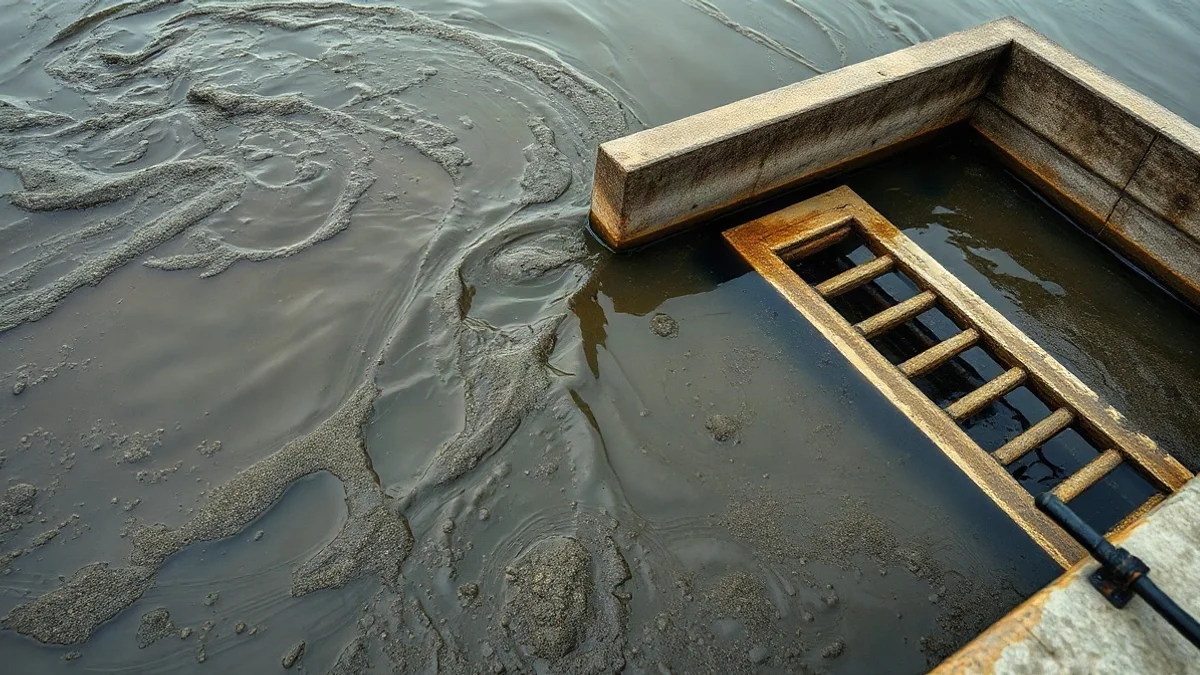
A severe environmental crisis is unfolding along the border between Thailand and Myanmar as extensive mining operations in northern Myanmar poison transboundary river systems. Industrial waste from gold and rare earth metal mines has poured into local waterways, with testing in northern Thailand uncovering dangerous concentrations of arsenic and other heavy metals.
In August 2026, Thailand and Myanmar signed an agreement to cooperate on water pollution monitoring. However, investigative reporting revealed that the original text of the agreement was softened and revised following demands from Myanmar, raising serious concerns regarding its ultimate efficacy.
According to sources within the Thai Ministry of Foreign Affairs, the joint working group established under the pact has failed to convene even once since its formal signing on August 6. Meanwhile, environmental contamination has continued to spread unchecked, forcing authorities in the Chiang Rai province on November 5 to suspend the extraction and supply of raw water after heavy pollution overwhelmed local treatment capacities.
A diplomatic visit by the Thai Minister of Foreign Affairs to Myanmar on November 12 failed to yield a breakthrough. While the minister stated that the joint working group would convene as soon as possible, no significant practical measures were announced to stem the toxic tide.
Operating in the background of the crisis is China, which serves as a primary economic anchor for Myanmar's lucrative mining industry. According to official Chinese trade data, China imported approximately $2.5 billion worth of minerals from Myanmar during the first nine months of 2026, including roughly $871 million in rare earth elements.
The situation is further compounded by the ongoing civil war in Myanmar, where numerous mining zones fall under the control of armed ethnic organizations rather than the central government. Experts warn that without broader, inclusive cooperation involving all territorial stakeholders, the severe contamination will continue to devastate local river ecosystems and threaten populations reliant upon them.