Nigeria Remains Global Hub as 50 Tons of Ivory and Scales Seized
A new report reveals that authorities in Nigeria and the Congo seized over 66 tons of ivory and pangolin scales since 2021, though few major traffickers face conviction.
Despite extensive law enforcement operations and repeated arrests, the illegal wildlife trade continues to thrive across West and Central Africa. A new report released this month by the Environmental Investigation Agency reveals that Nigeria remains one of the world's primary export hubs for elephant ivory and pangolin scales, which are smuggled primarily to markets in Asia.
According to the report, between 2021 and 2026, Nigerian authorities confiscated more than 50 tons of ivory and pangolin scales, while more than 16 additional tons were seized in the Democratic Republic of the Congo. However, these figures mask a troubling reality: out of 72 suspects arrested in Nigeria across 58 wildlife crime incidents, only 12 were convicted.
Evasion of Justice and Shifting Tactics
One prominent case documented in the investigation involves a trader known as "Mr. X," who was arrested in 2022 after possessing nearly 900 kilograms of pangolin scales and 145 kilograms of ivory. He was sentenced to two years in prison, but investigators report he was released after just a few months and subsequently returned to illegal trading activities.
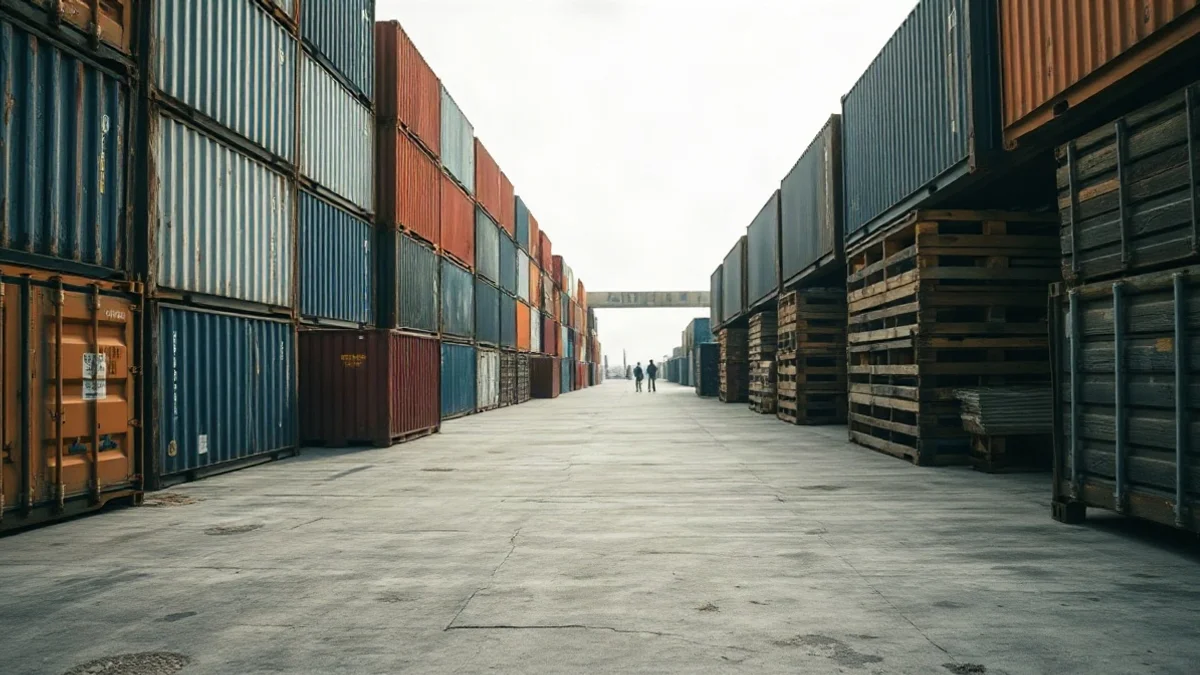
The report also highlights a shift in the operational methods of smugglers. Following increased enforcement at the port of Lagos, criminal networks have shifted to using alternative ports and export cities where oversight is weaker. Prohibited goods are frequently concealed within legal shipments of agricultural products, and illicit funds are transferred through standard banking systems and underground payment channels.
Escalating Threats to Endangered Species
Among the animals suffering the most are pangolins, mammals covered in scales used in traditional medicine despite a lack of scientific evidence for any therapeutic benefit. All four Asian pangolin species are already classified as critically endangered, and growing market demand has shifted severe pressure onto African populations.
Report authors warn that arresting low-level poachers and minor traders is insufficient. They emphasize that as long as the leaders of smuggling networks, financiers, and corrupt officials continue to operate without interference, the illicit trade will persist and threaten the survival of entire species.