Thailand Scrambles to Contain Mekong River Zombie Fish Outbreak and Arsenic Spike
Thai authorities are racing to contain a severe outbreak of diseased "zombie fish" in the Mekong River, as arsenic levels spike to 30 times national limits due to regional mining.
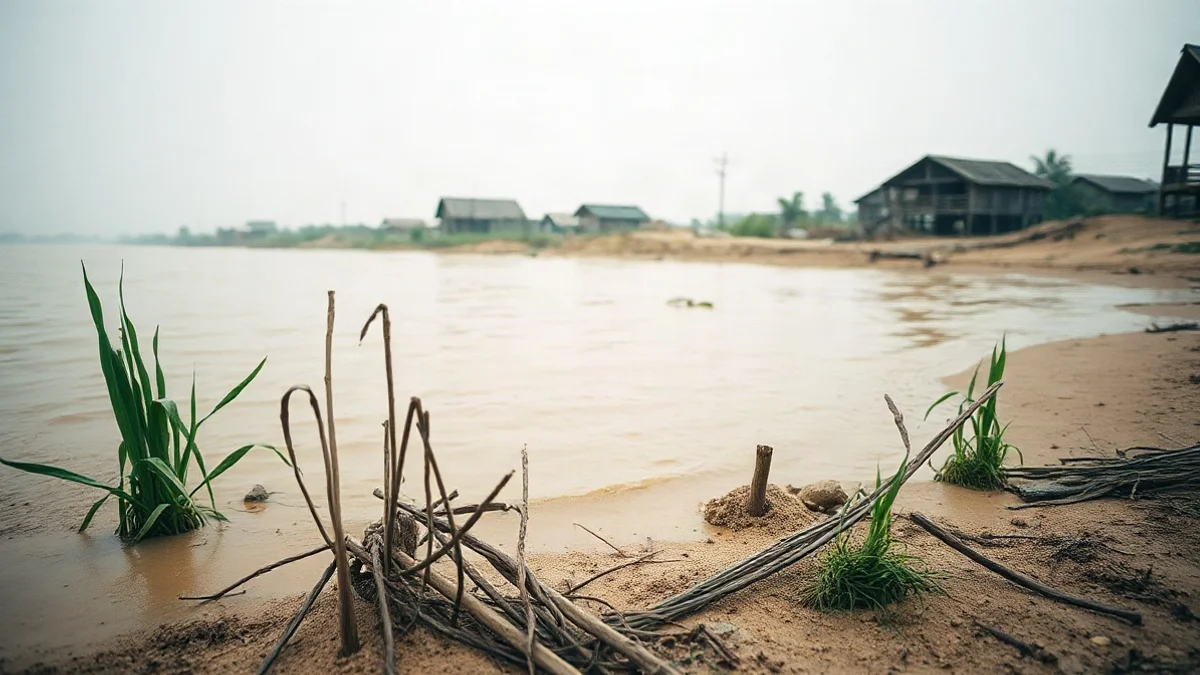
Thai authorities are scrambling to contain an alarming surge of diseased "zombie fish" in the Mekong River, one of Southeast Asia's vital waterways, amid mounting evidence of heavy arsenic contamination linked to intensified regional mining operations.
Fishermen across northeastern Thailand have pulled large catfish from the river bearing severe blisters, ulcers, and open wounds, with many specimens found dead or visibly ill. Local environmental activists and villagers collected nearly 60 specimens for laboratory analysis at Naresuan University. Subsequent examinations revealed that six fish exhibited severe, distinct blistering, while 30 to 40 others displayed reddened fins, tails, and smaller lesions. Activists warn that agricultural produce irrigated with contaminated water is currently reaching major markets, threatening both local ecosystems and communities dependent on the Mekong for sustenance and farming.
Recent water quality testing conducted this month on untreated water from the Sai River, a tributary of the Mekong, detected arsenic levels of 0.3 milligrams per liter. This figure represents a staggering 30-fold increase compared to Thailand's national surface water standard. Furthermore, measurements published by the Pollution Control Department in Thailand confirmed a sharp spike in heavy metals throughout the year, with arsenic concentrations surging to three to four times national regulatory limits in select provinces by August.
In response to the ecological crisis, Deputy Prime Minister Yodchanan Wongsawat urged China and Myanmar to ensure that mining operators implement stringent barriers against toxic runoff. The Thai Ministry of Foreign Affairs is actively organizing a joint working group with Myanmar slated to convene next week. Prime Minister Anutin Charnvirakul has already raised the urgent issue with Chinese authorities during regional summit meetings, while the Deputy Minister of Interior warned that unregulated mining activities in Myanmar could double within the year due to soaring commercial demand for gold and rare earth elements.