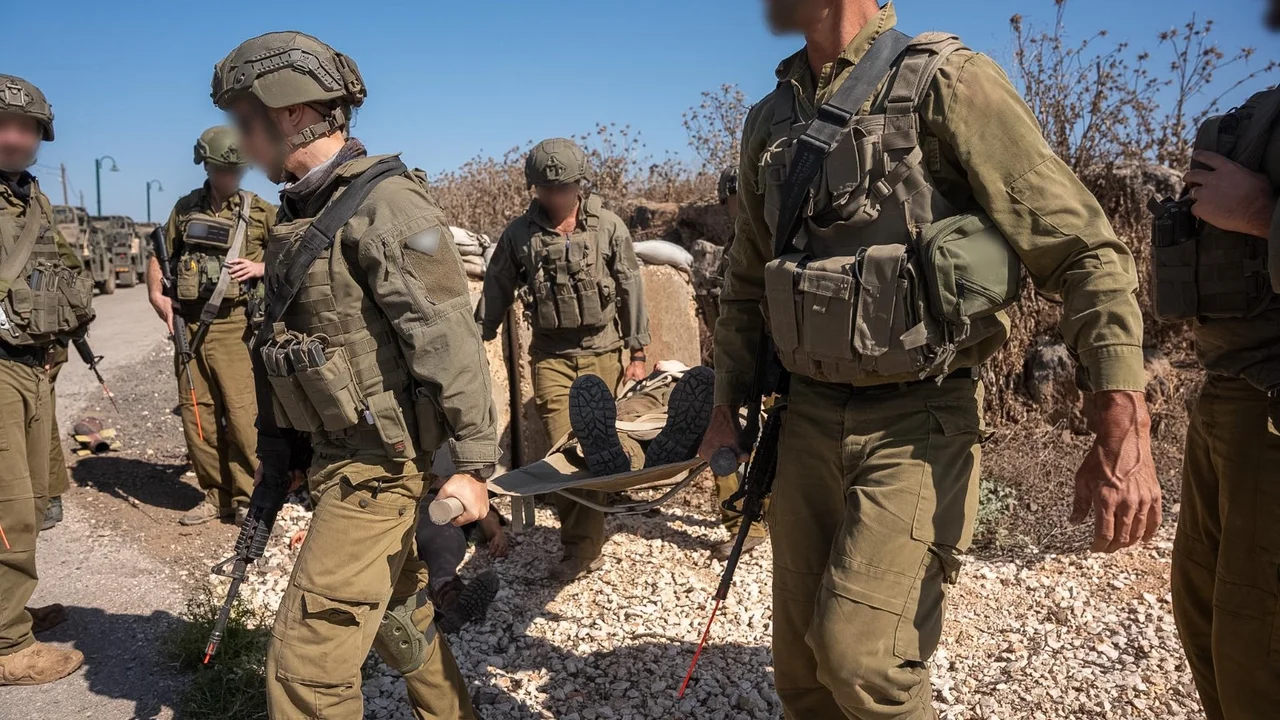
Attempted mutiny in Givati: all requests for sentence commutation rejected
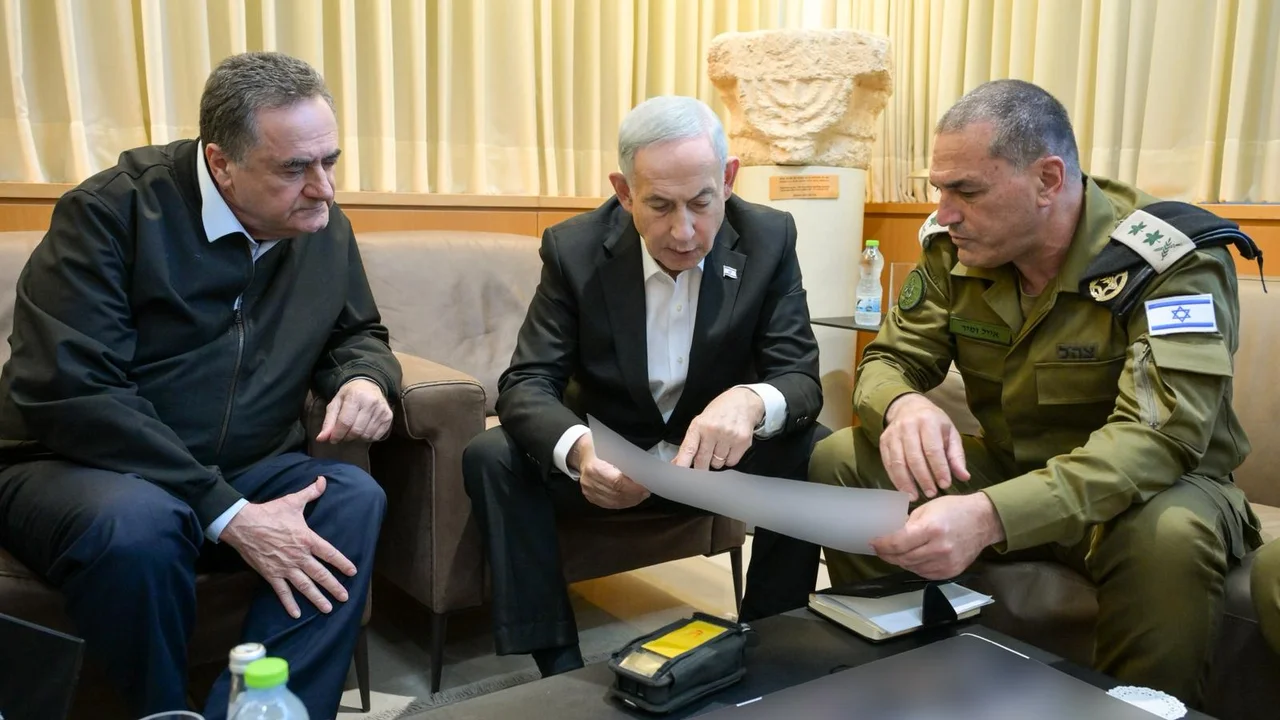
Southern Command Chief Major General Yaniv Asur has rejected all requests for sentence commutation submitted by Givati soldiers following the Sde Teiman incident. Attorney Zahava Gur, representing the soldiers, argued that their complex personal and family circumstances were not adequately considered during the initial proceedings.
Southern Command Chief Major General Yaniv Asur has rejected all requests for sentence commutation submitted by Givati soldiers following the incident at Sde Teiman, widely referred to as the "attempted mutiny in Givati." In a formal letter to General Asur, attorney Zahava Gur detailed the personal, family, and medical circumstances of the soldiers, requesting a review of their punishments. According to Gur, these critical factors were omitted from the initial requests, which the soldiers wrote "in haste and under severe emotional distress" while in detention.
The cases detailed in the letter include a soldier who sustained serious wounds during combat in the Gaza Strip. Despite undergoing multiple surgeries and bearing physical scars, he insisted on returning to his battalion. Another case involves a soldier whose parent suffers from a severe, irreversible medical condition; nevertheless, he insisted on combat duty rather than accepting service accommodations.
The letter further describes:
-
A soldier who lost his mother at a young age and cares for a sister with special needs, yet remained committed to combat service.
-
A lone soldier from a family facing extreme financial hardship who insisted on joining the Givati Brigade.
-
A soldier from an ultra-Orthodox background who transitioned to a secular lifestyle and overcame significant technical hurdles to enlist in a combat unit.
The requests emphasize that these soldiers served for two years of continuous, intense combat in the Gaza Strip and southern Lebanon, with high performance ratings. Despite these operational contributions and personal circumstances, the Southern Command commander denied all requests, and the original sentences remain in effect.