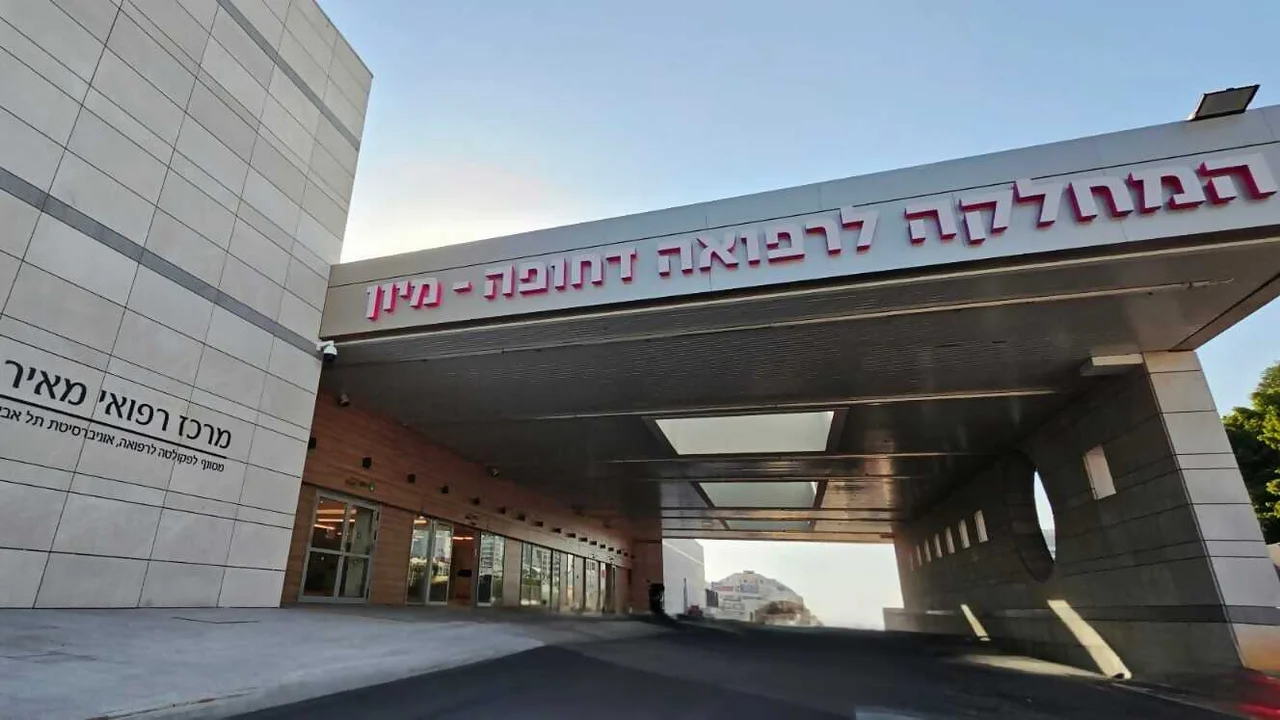
Tel Aviv University Biology Students Face Severe Lecture Hall Overcrowding
Biology students at Tel Aviv University face severe overcrowding, with hundreds sitting on floors due to packed lecture halls. While students criticize tuition priorities, the university states classes are split, broadcasted, and attendance has stabilized.
Biology students at Tel Aviv University have shared photos showing severe overcrowding in lecture halls, forcing many to sit on the floor or use plastic chairs without writing surfaces. According to the students, introductory biology courses have enrolled around 600 participants, while the assigned lecture halls hold only about 180 seats.
"Over 400 students who pay full tuition are left out," said Michal, a student pseudonym. "Those lucky enough to get inside sit on the floor, windowsills, and aisles, while others miss out entirely. The university's response essentially told us to be grateful for this policy, which feels like a slap in the face." Students complain that paying full tuition does not guarantee basic seating or the ability to take proper notes with laptops or notebooks.
University Response and Remote Options
In response to the complaints, Tel Aviv University stated that the description of events is inaccurate. The university explained that due to high demand, the course was split into two groups taught at different times. Additionally, lectures are broadcast live via Zoom, satellite classrooms are available, and full recordings are accessible to students at any time.
However, students remain dissatisfied with remote learning alternatives. "If I wanted to study through recordings, I would have enrolled in the Open University," Michal noted. She accused the institution of prioritizing tuition revenue over teaching quality after boasting about record undergraduate enrollment numbers.
Normalization of Attendance
Addressing the crisis, university representatives emphasized that infrastructure investments totaling millions of NIS have been made over the past two years to upgrade lecture halls. While acknowledging that overcrowding occurred during the first two weeks of the semester, administration officials confirmed that attendance has since stabilized and classes are now operating regularly.