Only 17% of Environmental Budget Disbursed in Israel's Arab Sector
An investigation reveals that only 17% of the environmental budget allocated to Arab society in Israel has been disbursed, sparking severe criticism from environmental organizations over unfulfilled state commitments.
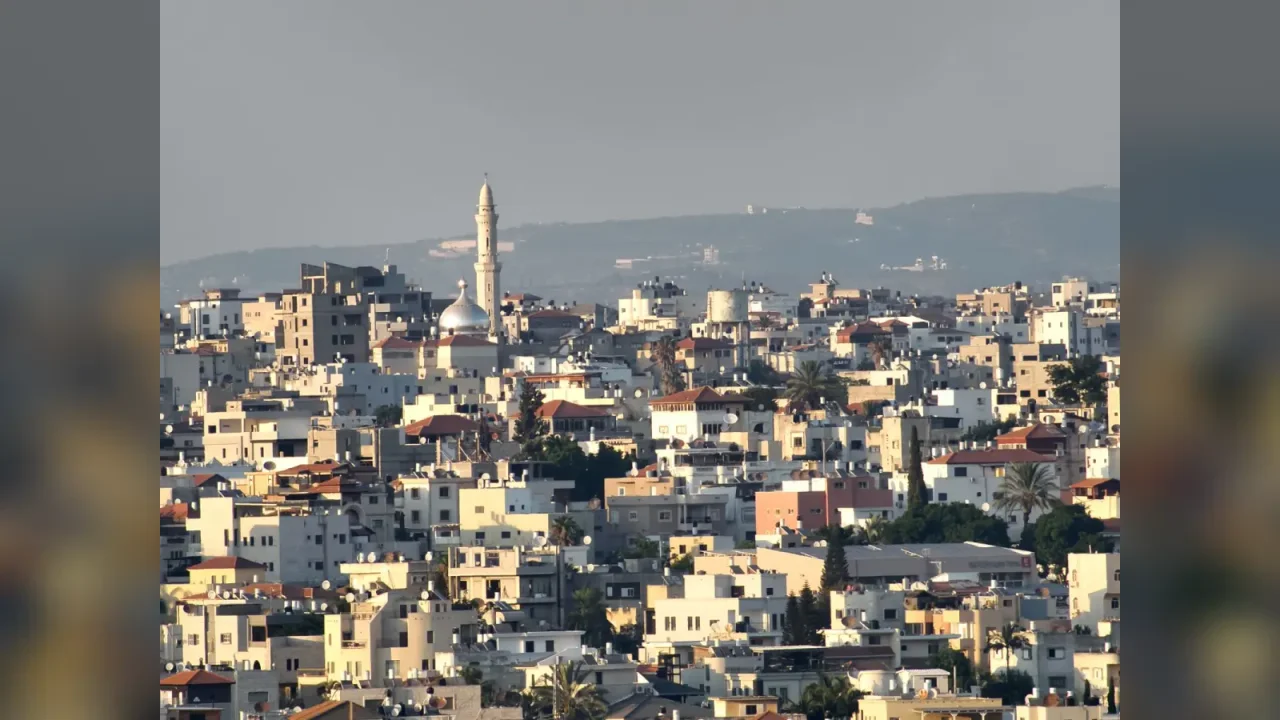
Only 17% of the environmental budget allocated to Arab society in Israel has actually been disbursed, despite formal commitments, according to a recent investigation. In October 2021, the government approved Resolution 550, aimed at bridging economic gaps in the Arab sector with an investment of 30 billion NIS over five years. This initiative included a 550 million NIS budget for the Ministry of Environmental Protection to address severe sanitary hazards, waste burning, and health risks in Arab municipalities.
However, new data reveals that the Ministry of Finance has transferred only a fraction of its pledged funds, while the ministry led by Minister Idit Silman has also failed to fully utilize the Cleanliness Fund. Arab municipalities, home to roughly 85% of Arab citizens in Israel, face deep environmental disparities. Over 90% of these local authorities rank in the lower half of the socio-economic scale and rely heavily on state support for basic services.
Systemic Shortcomings and Administrative Hurdles
The environmental reality in Arab localities is characterized by a severe lack of open and green spaces, inadequate waste and sewage infrastructure, and a critical shortage of professional environmental staff. By 2025, about a quarter of Arab local authorities lacked a dedicated environmental department head, and many operated without cleaning staff or inspectors altogether. Although the Ministry of Environmental Protection drafted an ambitious plan including comprehensive waste collection and climate adaptation strategies, a joint report by environmental organizations points to severe implementation failures.
The budget relied on two sources: 300 million NIS from the Cleanliness Fund and 250 million NIS from the Ministry of Finance. According to the Accountant General's data as of February 2026, actual payments stood at a mere 93.7 million NIS—representing just 17% of the original budget. The Ministry of Finance transferred only 142.6 million NIS of its promised 250 million NIS, with actual disbursements lagging significantly behind schedule.
Reactions and Outlook
Critics argue that the delays and unallocated funds amount to a backdoor budget cut. Amal Ziada, Arab society coordinator at Adam Teva V'Din, criticized the outcome:
«The environmental plan has failed and completely missed its purpose of narrowing environmental gaps between Arab and Jewish society. The environmental situation in Arab localities is disgraceful and reflects state neglect.»
Furthermore, civil society groups noted a lack of transparency, as annual implementation reports ceased after 2022 and oversight committees were frozen. In response, the Ministry of Finance stated that all budgets were allocated in accordance with government resolution guidelines and project progress rates.