Tel Aviv Stock Exchange Opens Lower as Bank of Israel Holds Rates at 3.25%
Tel Aviv trading opened following the Bank of Israel's decision to hold interest rates at 3.25%, amid global market downturns, surging oil prices, and rising bond yields.
The local stock exchange opened trading under the weight of the Bank of Israel's decision to maintain the interest rate at 3.25%, alongside negative sentiment washing over global markets. Asian stock exchanges plunged, with the Chinese market entering official bear territory, and Wall Street futures pointed to sharp declines.
The global negative sentiment is further fueled by geopolitical escalation in the Persian Gulf, where reports regarding the evacuation of American embassies drove oil prices higher. Dual-listed stocks traded in Tel Aviv and New York are expected to return with a slightly negative trend, exerting mild pressure on the opening of the local trading day.
Bond Yields and Fiscal Uncertainty
In Israel, the government yield curve exhibits an overall positive slope, reflecting fiscal risk premium and the state's long-term debt issuance needs. At the short end of the curve, two-year bonds closed at a yield of 3.34%. In contrast, the long end experiences a sharp steepening: the 20-year yield surges to 4.48% and the 30-year range climbs to 4.65%.
In the United States, the bond market traded with stability around high yields, with the 10-year Treasury yield hovering near 5.1% and the 30-year yield around 5.4%. Meanwhile, the French bond market experienced historic turmoil as the 10-year government bond yield surged past the 5% threshold, reaching its highest level in 24 years amid a deep political crisis over the budget.
Foreign Exchange and Commodities
The US dollar weakened against the shekel, with its representative rate fixed at 3.0910 shekels, though it later ticked up in continuous trading. Commodity markets are characterized by extreme volatility, with Brent crude trading around $110 a barrel and WTI hovering near $98, driven by supply risks and soaring shipping costs in the Persian Gulf.
Macroeconomic Overview
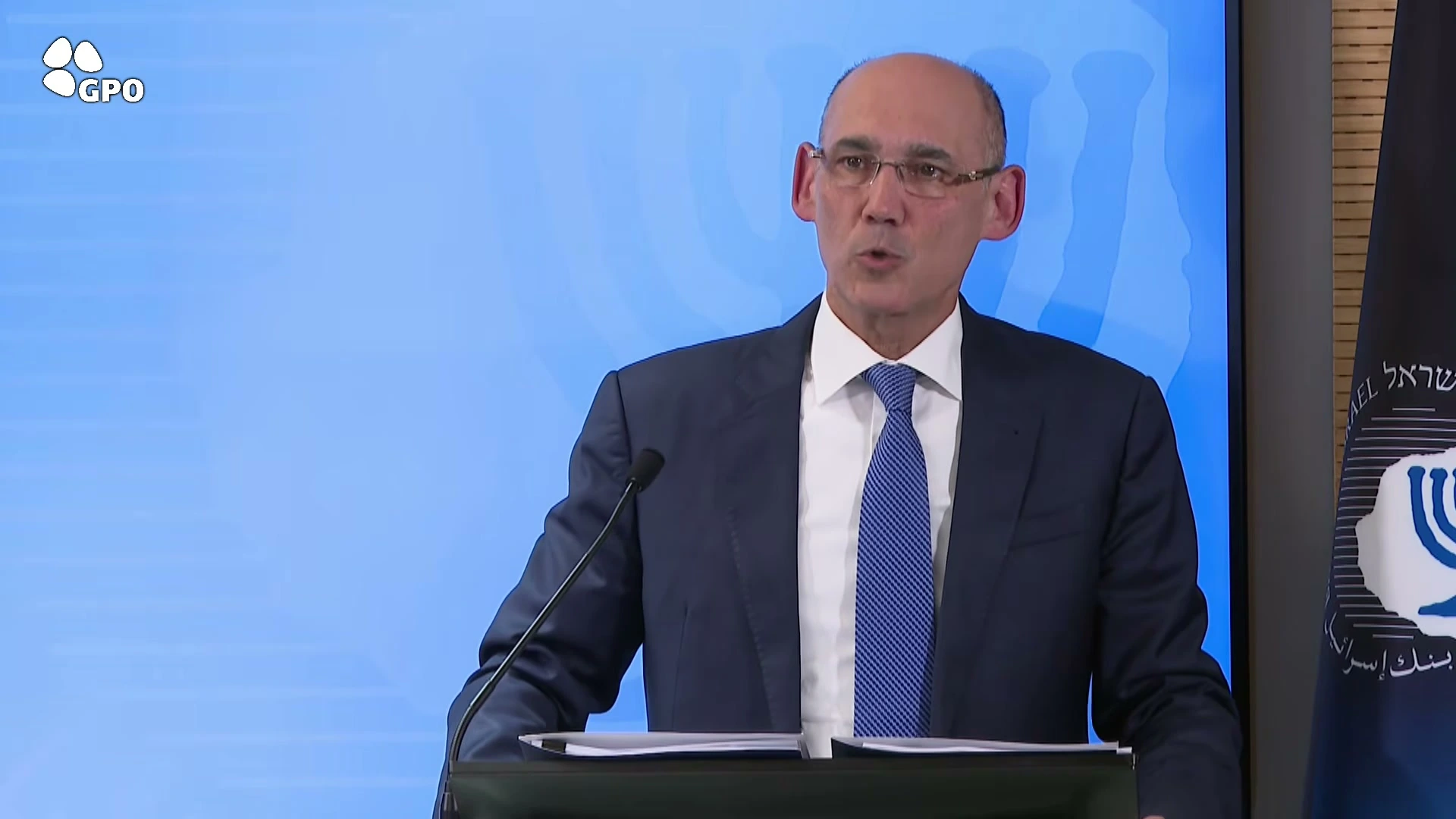
Bank of Israel Governor Prof. Amir Yaron defended the resilience of the local economy while criticizing government budget priorities and warning of potential international sanctions. The central bank's research division decided to decouple foreign tech production from GDP data, revealing a more modest 3.4% growth rate for the domestic economy.