Tel Aviv Stocks Drop 3% Amid Political Uncertainty and Tech Sell-Offs
Tel Aviv Stock Exchange indices dropped by up to 4.26% amid political uncertainty and Wall Street tech sell-offs. The shekel weakened sharply, while institutional and foreign investors adopted divergent strategies.
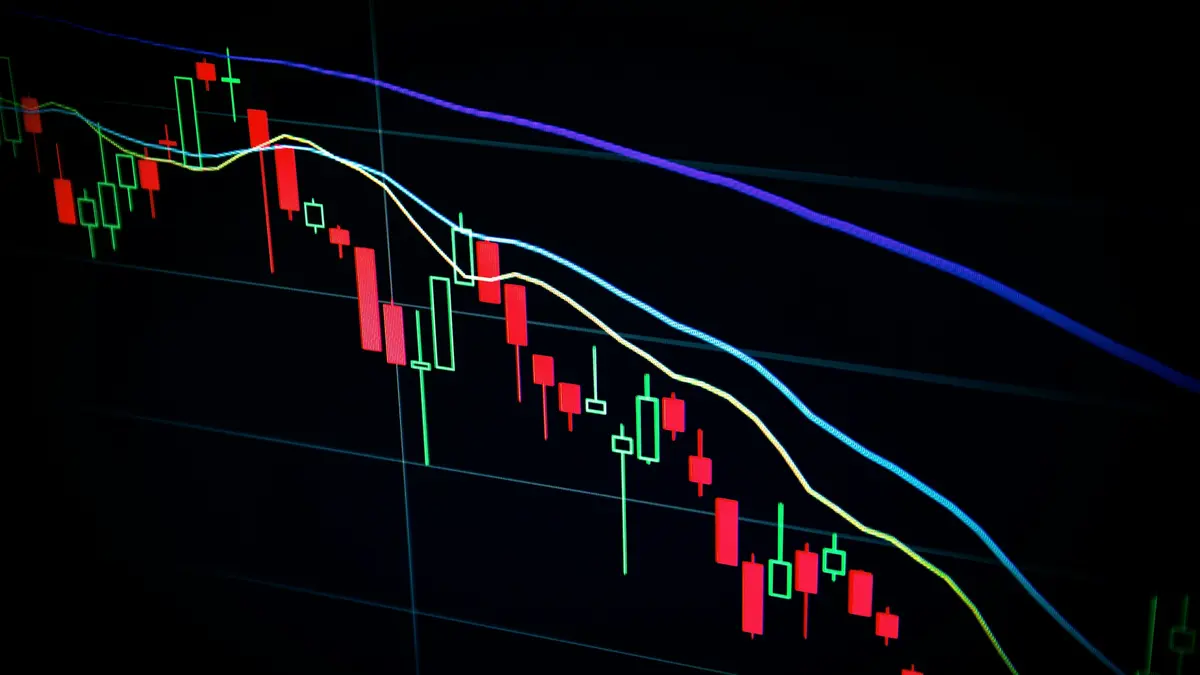
A volatile and tense trading week closed at the Tel Aviv Stock Exchange, driven by a combination of domestic political uncertainty surrounding government formation, security escalation concerns, and an aggressive sell-off in Wall Street technology and semiconductor stocks. According to the weekly review by the TASE Research Department, flagship indices Tel Aviv-35, Tel Aviv-125, and Tel Aviv-90 shed about 3% of their value, while the Tel Aviv-SME60 index plummeted by 4.26%.
Thursday stood out prominently on the local exchange against the backdrop of the semi-annual index rebalancing, which concentrated a massive and unusual trading volume of approximately NIS 19.4 billion accompanied by steep price declines, partially offset by a recovery on Friday. Since the beginning of 2026, the Tel Aviv-35 and Tel Aviv-125 indices still maintain positive yields of 8.53% and 4.37% respectively, whereas Tel Aviv-90 and Tel Aviv-SME60 post declines of over 8%.
Beneath the surface, a fascinating mirror image was recorded between foreign and institutional investors: while institutions capitalized on the dips and purchased technology shares totaling some NIS 609 million net, foreign investors sold technology stocks (about NIS 632 million) while simultaneously channeling over NIS 1 billion into acquiring Teva shares in the biomed sector.
Concurrently with the weakness in equities, the Israeli shekel experienced a particularly weak week against foreign currencies. The dollar surged by 2.44% during the week to a representative exchange rate of NIS 3.194, and on Friday even crossed the NIS 3.22 threshold—an impressive spike of about 14% in just five months. The euro and the British pound also strengthened by more than 2% against the local currency, whereas the global dollar index rose by a mere 0.3%.
In the government bond market, distinct weakness was recorded in the long end of the yield curve: the Tel Gov-Shani 5+ index dropped by 0.59% and the 10+ index lost 1.01%, while short and medium instruments maintained stability. Investor caution was also clearly evident in the mutual funds industry, which recorded a net weekly inflow of about NIS 540 million—and roughly NIS 62 billion since the beginning of the year—with a clear preference for solid money market funds over local equity and bond vehicles.