Tel Aviv Court Awards 11 Million Shekels in Prenatal Medical Malpractice Verdict
A Tel Aviv District Court ordered hospitals and health funds to pay 11 million shekels in a medical malpractice case involving prenatal monitoring negligence for a child born with severe chromosomal disabilities.
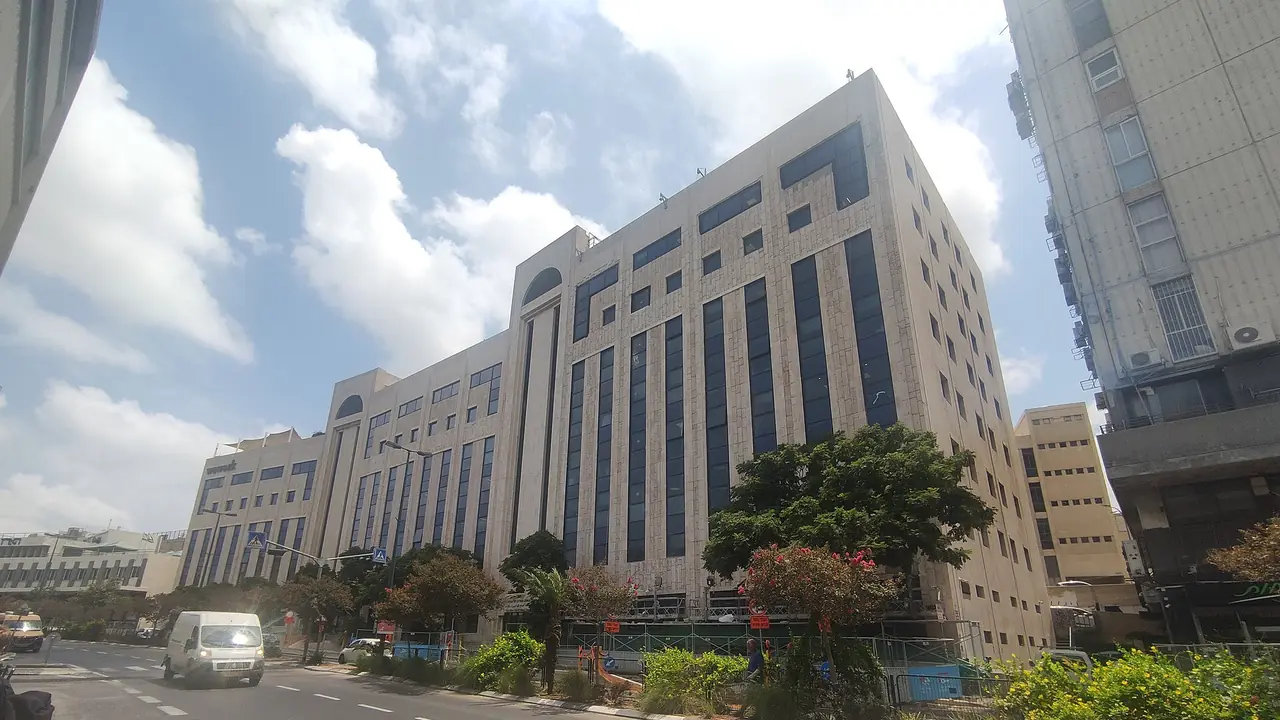
The District Court in Tel Aviv recently ruled in favor of parents who filed a medical malpractice lawsuit regarding their 15-year-old son, who was born with severe disabilities due to a chromosomal deletion. Judge Arna Levy ordered the defendants to pay approximately 11 million shekels in compensation, from which National Insurance Institute allowances will be deducted. The lawsuit named Wolfson Medical Center, Sheba Medical Center, and Meuhedet Health Services as responsible for negligence during prenatal monitoring.
Chronology of Prenatal Findings and Omissions
In 2011, the mother underwent an amniocentesis procedure, and the karyotype test examining chromosome count and general structure initially appeared normal. However, during a 27th-week scan at Wolfson Medical Center, multiple anomalies emerged, including a small head circumference, growth restriction, and fluid accumulation around both fetal lungs. The hospital discharge summary recommended repeat genetic counseling. A physician at Meuhedet Health Services referred the mother to Sheba Medical Center to determine if fluid drainage was necessary. In early December of that year, Wolfson also detected an abnormal finding in the corpus callosum, the neural structure connecting the brain hemispheres.
By the time the mother arrived at Sheba, the fluid accumulation around the lungs had worsened. The medical team performed a drainage procedure after ruling out a suspected infection, but the repeat genetic counseling did not take place until December 18, just one day prior to delivery. It later emerged that the child suffers from significant developmental delays and brain structure impairments. A chromosomal microarray analysis, commonly known as a genetic chip test, performed when the boy was six years old, identified a deletion on chromosome 13.
Court Findings on Medical Negligence and Consent
In their wrongful birth claim, the parents argued that the medical teams failed to connect the abnormal findings, complete the diagnostic evaluation, and explain the risk of a severe genetic syndrome. They stated that had they received the information in a timely manner, they would have sought to terminate the pregnancy. The defense argued that the option of a genetic chip test was raised five times during the pregnancy and that the mother declined it, adding that results would not have arrived before birth in any case.
Judge Levy determined that Wolfson Medical Center should have expedited genetic counseling and considered a fetal brain MRI. She found that the Meuhedet physician failed to refer the mother for repeat genetic counseling despite an explicit recommendation. At Sheba Medical Center, the team focused exclusively on fluid drainage without evaluating the full spectrum of findings, overlooking fetal skin edema that indicated fluid accumulation in multiple body compartments.
Compensation Breakdown and Apportionment of Liability
The court ruled that the medical teams mentioned the genetic chip test without adequately explaining why it was vital or what it could reveal beyond a standard karyotype. The judge accepted the parents' position that they would have undergone the test had proper explanations been provided, and ruled out contributory negligence on their part. The compensation breakdown includes 4.1 million shekels for care and supervision, 3.85 million shekels for the child's adult living expenses, 900,000 shekels for pain and suffering, and 260,000 shekels for violation of the parents' autonomy.
Additional awarded sums cover 600,000 shekels for medical expenses, 550,000 shekels for housing adaptations, 450,000 shekels for mobility equipment, 150,000 shekels for consumable supplies and laundry, and 150,000 shekels for guardianship expenses. Meuhedet Health Services was assigned 20 percent liability, with its payment settled at approximately 748,000 shekels. The state, representing the hospitals, will also cover 23.6 percent legal fees including VAT and 80 percent of the plaintiffs' court and expert expenses.