Archaeological Discoveries Shed New Light on Biblical Sites of Jacob's Journey
Recent archaeological discoveries in Jordan, Shechem, and the Arava provide historical context for biblical sites tied to Jacob's journey, including Penuel and early Edomite society.
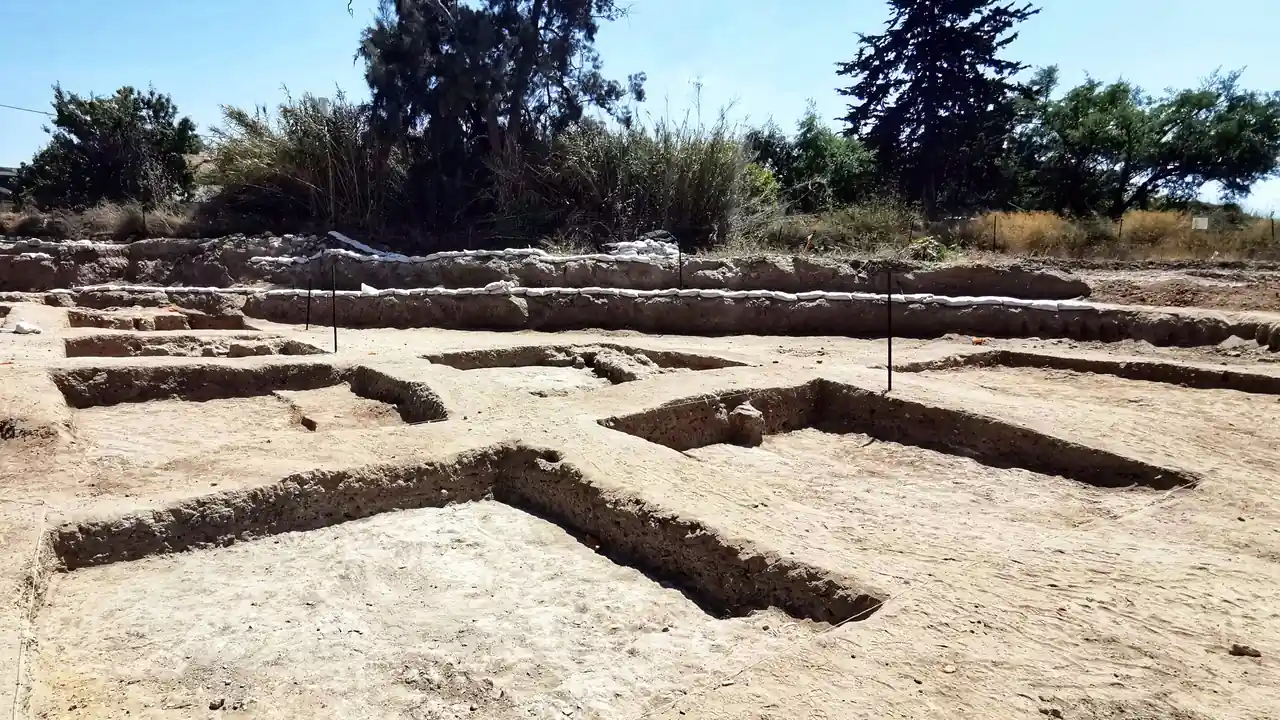
Archaeological research and recent discoveries across the region illuminate the ancient settings of the biblical narrative detailing Jacob's journey, offering tangible insights into historical sites associated with Penuel, Shechem, and Edom.
Exploring the Jabbok Valley and Penuel
According to biblical accounts, Jacob crossed the Jabbok River, spent a night wrestling with a mysterious entity, and received the name Israel. Tradition identifies this location as Penuel. Modern archaeological surveys in Jordan, along the Zarqa River valley—identified with the biblical Jabbok—focus on two adjacent tells known as Tulul edh-Dhahab, meaning "hills of gold."
In a study published by Tel Aviv University researchers Prof. Israel Finkelstein and Prof. Othmar Keel, aerial photographs of the eastern tell revealed the remains of a rectangular compound measuring approximately 60 by 30 meters. Researchers suggest this site featured a prominent central structure rather than a full settlement, with Iron Age and Hellenistic pottery sherds discovered at both tells.
Discoveries at Mahanaim and Shechem
At the western tell, traditionally identified as Mahanaim, archaeologists uncovered ten building stones inscribed with ancient motifs depicting lion hunts, palm trees, and banquets. Experts date these artifacts to the first half of the eighth century BCE, linking them to an official structure from the Kingdom of Israel during the reign of Jeroboam II.
Following his encounter with Esau, Jacob traveled to Shechem, purchasing a plot of land where his family later experienced the events involving Dinah. Archaeological excavations at Tell Balata, situated between Mount Gerizim and Mount Ebal, have exposed massive Canaanite city walls, monumental gates, public buildings, and a sacred precinct dating back approximately 3,800 years, confirming the city's historical prominence.
Uncovering Early Edomite Society
The weekly Torah portion concludes with the genealogy of Esau and the lineage of Edomite kings. For decades, scholars debated the chronology of the Edomite kingdom. Groundbreaking research led by Prof. Erez Ben-Yosef of Tel Aviv University and Prof. Thomas Levy of the University of California, San Diego, analyzed ancient copper production residues in Timna and Faynan, Jordan.
Published in 2019, the findings revealed advanced technological coordination and social complexity dating back to the 12th and 11th centuries BCE. This data demonstrates that an organized society flourished in the region much earlier than previously assumed, aligning historical context with the biblical narrative of early neighboring kingdoms.