Taub Center Study Links Dense Urban Asphalt Cover to Higher Diabetes Rates
A new Taub Center study reveals a strong link between urban asphalt density and higher diabetes rates across Israel, recommending green space expansion to improve public health.
A new study published by the Taub Center reveals a clear correlation between the characteristics of a residential environment and diabetes rates across Israel. While approximately 700,000 people live with diabetes nationwide, the analysis shows that disease prevalence varies significantly between cities and even between neighborhoods in the same municipality.
Impact of Urban Density on Health
The research, conducted by Dr. Maya Sade, Yael Yavin, and Prof. Alex Weinreb, utilized health data from Clalit Health Services members in 2023 across 2,835 statistical areas throughout the country. Researchers examined the connection between built-up surfaces, vegetation cover, and diabetes prevalence, while controlling for age, ethnicity, and socioeconomic status.
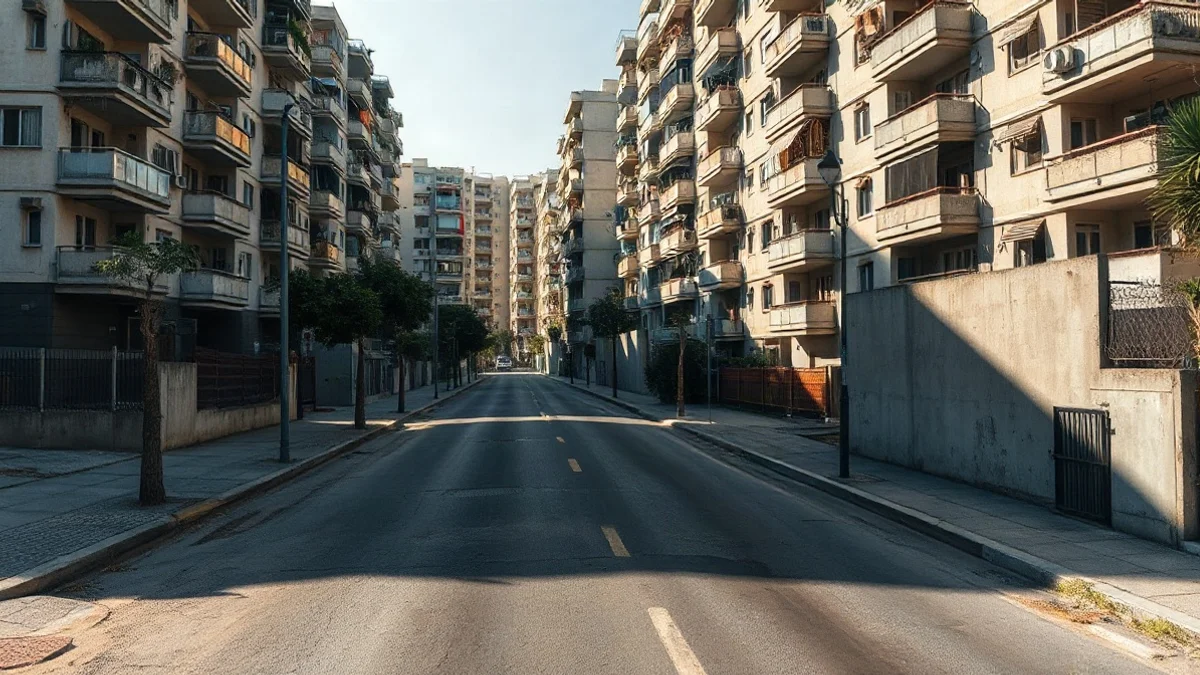
The central finding indicates that in areas where 87% of the ground is covered by impermeable surfaces such as asphalt and buildings, diabetes rates are roughly 19% higher compared to areas with a 25% coverage rate. Even after adjusting for the extent of green spaces, a 14% gap remains.
Researchers explain that heavily built environments generate increased air pollution, noise, and elevated temperatures due to the urban heat island effect. Conversely, green spaces provide shade, mitigate pollution, and encourage physical activity. However, the study points to a statistical association rather than direct causation.
Socioeconomic Disparities and Neighborhoods
The study also establishes a link between socioeconomic status and diabetes prevalence. In most surveyed cities—including Jerusalem, Tel Aviv, Ashdod, Haifa, Beersheba, Petah Tikva, Nazareth, and Bnei Brak—disease rates were higher in lower socioeconomic clusters and lower in affluent areas.
According to the authors, socioeconomic gaps partially overlap with environmental factors, as lower-income neighborhoods frequently feature dense construction and limited greenery. This environmental factor accounts for approximately one-fifth of the exceptionally high diabetes rates observed in predominantly Arab localities.
Furthermore, diabetes treatment incurs substantial economic costs, with expenditures on a patient nearly doubling those for a non-diabetic insured individual. Moderate reductions in incidence or delayed onset could generate significant budgetary savings.
Recommendations for Urban Planning
To address these health disparities, researchers recommend transforming urban planning strategies for new developments and urban renewal projects:
- Converting open parking lots into green spaces.
- Promoting green roofs and incorporating vegetation into urban drainage solutions.
- Increasing tree canopy density within residential neighborhoods rather than relying solely on distant parks.
- Adopting the international "3-30-300" rule supported by the European Union and the World Health Organization, which mandates at least three visible trees from every home, a 30% neighborhood canopy cover, and a quality green space within 300 meters.
Dr. Maya Sade, head of the Environment and Health Research and Policy Initiative at the Taub Center, emphasized:
"We need to understand that green spaces are not just an aesthetic addition to the residential environment. Our findings point to a strong link between intensively built environments and higher diabetes rates."
Prof. Alex Weinreb, director of demographic research at the Taub Center, added that urban planning significantly influences public health, urging policymakers to reassess tree-cutting policies and guarantee equitable access to green infrastructure, particularly in older, disadvantaged neighborhoods.