Emergency Brain Catheterization Saves 26-Year-Old Student from Rare Clots
A 26-year-old art student suffering from severe headaches experienced sudden neurological collapse due to rare multiple blood clots blocking her brain's venous drainage. Doctors at Shamir Medical Center performed emergency catheterization to save her life.
A 26-year-old art student at Bezalel Academy of Arts and Design, Liron, experienced severe headaches that she initially attributed to dehydration or a passing virus. Within a short period, her condition rapidly deteriorated as she lost the ability to walk, speak, and perform basic daily tasks.
Critical Condition and Emergency Hospitalization
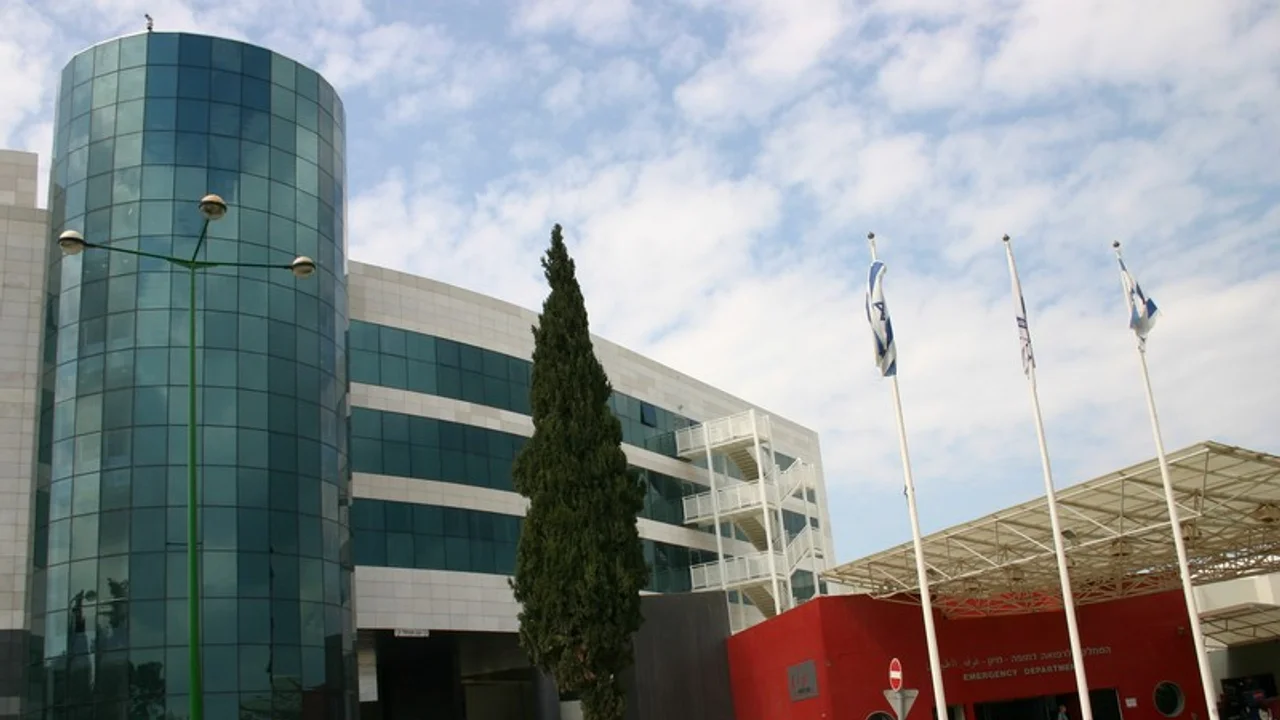
After seeking initial medical evaluation where doctors suspected mild dehydration, Liron was sent home, but her condition worsened significantly over the following days. Her family noticed severe behavioral changes, confusion, and disorientation, including episodes where she could not remember how to open a water tap. Brought back to the emergency room in an unresponsive and restless state, she underwent a computerized tomography scan at Shamir Medical Center (Assaf Harofhe).
The imaging revealed a rare and life-threatening condition known as cerebral venous sinus thrombosis, in which multiple blood clots completely blocked the brain's venous drainage system. Dr. Ronen Levitas, director of the Invasive Neuro-Radiology Unit at Shamir Medical Center, explained the critical mechanics of the case:
"Imagine a bathtub with a faucet letting water in and a drainage opening taking it out. If the drainage is blocked while the faucet keeps running, the tub fills up and eventually overflows. In the skull, which is rigid and cannot expand, the pressure continues to rise until severe damage occurs."
Emergency Brain Catheterization Saves Life
Given the extreme intracranial pressure and the rapid neurological decline that risked catastrophic brain hemorrhage, medical staff bypassed standard anticoagulant medication trials and rushed the patient directly to the catheterization laboratory.
During the emergency procedure, specialists cleared an enormous volume of blood clots and restored normal arterial blood flow and complete venous drainage. Following the successful intervention, Liron spent a day under intensive care before waking up and gradually regaining cognitive awareness.
Medical experts note that cerebral venous thrombosis can be triggered by genetic clotting tendencies, smoking, contraceptive use, or dehydration, though some cases remain unexplained. Following neurological recovery and subsequent rehabilitation focusing on speech, memory, and concentration, Liron was discharged home to resume her routine.