Severe Swiss Heatwave Reveals 2,000-Year-Old Roman City in Aventicum
A severe heatwave in Switzerland revealed a 2,000-year-old Roman residential district and temple in Aventicum using drone photography, as extreme drought caused withered vegetation to expose buried ancient structures.
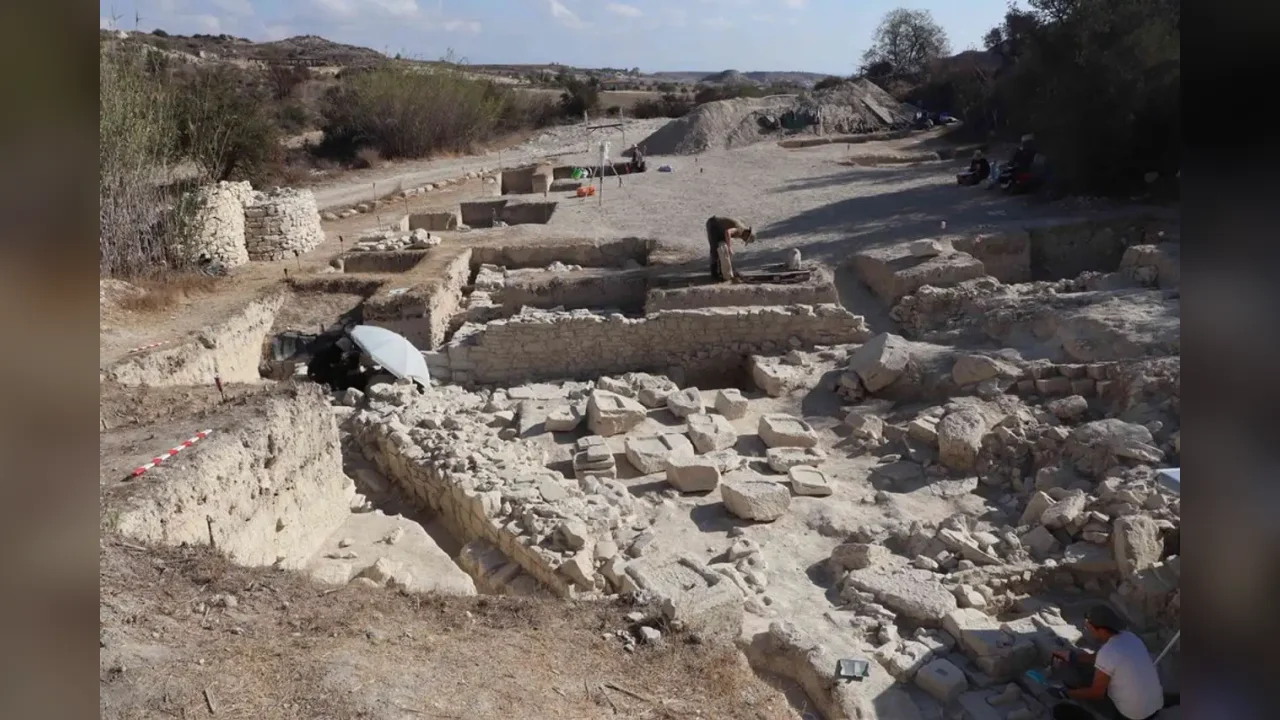
A severe heatwave that struck Switzerland in July and August 2026 has led to a remarkable archaeological discovery. Extreme drought withered vegetation across the site of the ancient Roman city of Aventicum, revealing the hidden contours of structures buried underground for roughly 2,000 years. Archaeologists examining drone imagery identified an entire residential district, luxurious villas, ancient roads, thermal baths, and the remains of a 30-meter-long building believed to be a temple. Experts describe the findings as the most significant at the site in half a century.
The scientific principle behind the discovery relies on cropmarks. Soil layers above buried stone walls and architectural foundations are notably thinner, causing vegetation to wither rapidly during dry spells. Combining extreme drought conditions with advanced aerial photography allowed researchers to map underground outlines that normally remain completely invisible to the naked eye. The aerial surveys exposed long rows of buildings, wide-ranging residential quarters, and a large rectangular structure nearly 30 meters in length suspected to be a forgotten ancient temple located in previously unexcavated outer areas of the city.
Aventicum was founded after Julius Caesar conquered local tribes some two millennia ago, flourishing under Roman rule until suffering from Germanic invasions starting in the third century AD. Researchers emphasize that these discoveries raise entirely new research questions regarding urban life and administration in the ancient settlement. However, the window of opportunity proved brief; as temperatures dropped in September and vegetation regenerated, many of the cropmark outlines vanished from view once again, though parts of the bath pools remain partially visible. Encouraged by the success of the aerial operation, archaeologists intend to implement timed drone monitoring as a standard methodology to uncover hidden sites and redraw historical maps as global drying trends intensify.
During the era when Aventicum thrived under Roman rule, the Land of Israel witnessed profound historical transformations for the Jewish people. In 70 AD, Roman forces led by Titus destroyed the Second Temple in Jerusalem following the outbreak of the Great Revolt. Decades later, in 132 AD, the Bar Kokhba revolt erupted against Roman authorities, ultimately ending in a crushing defeat by 135 AD. These events shifted the epicenter of Jewish communal life to the Galilee and empowered the Sages of Israel, who laid the foundations for Rabbinic Judaism following the destruction of the Temple. Consequently, while the Roman Empire constructed magnificent urban centers across Europe, the Jewish population in Jerusalem and the surrounding region navigated profound national and religious upheavals.