Surging Fuel Prices Drive Israeli Used Car Buyers Toward Electric and Hybrid Models
Rising fuel prices in Israel are reshaping the used car market, as demand for electric and hybrid vehicles surges following oil price hikes. Yad2 data reveals electric vehicle searches jumped 67 percent, while traditional gasoline cars lost ground.
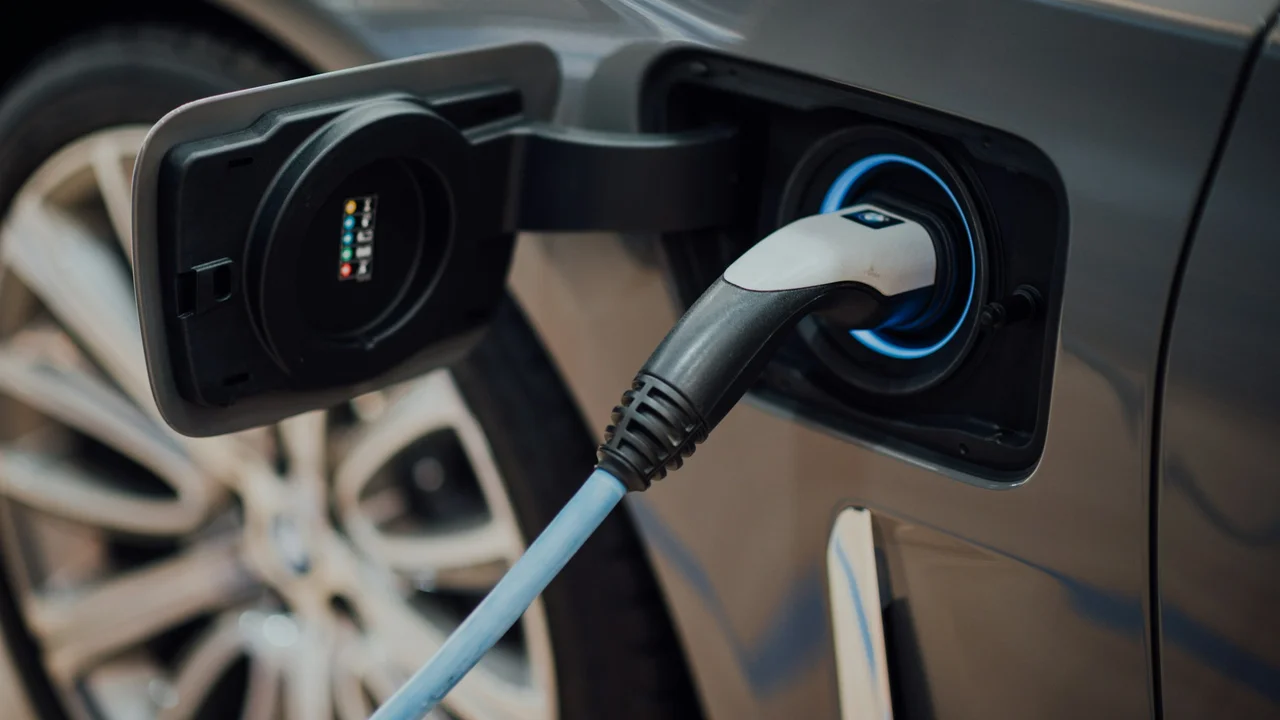
The continuous rise in fuel prices over recent months is reshaping Israel's used car market. Internal data from the Yad2 platform indicates that shifting consumer preferences follow the outbreak of Operation Roaring Lion in late February, alongside the conflict involving Israel and the US against Iran, which triggered a global oil price surge.
Before the conflict, a liter of 95-octane gasoline stood at approximately 7 shekels, subsequently peaking at 8.27 shekels per liter. This sharp economic shift generated a massive surge in demand for electric vehicles, alongside growing interest in hybrids and a steady decline in consumer focus on traditional gasoline-powered cars.
Market heat index figures, reflecting search volumes across vehicle categories, highlight this transformation. The electric vehicle heat index surged from 105 points in March to 175 points in October, marking a 67 percent increase over seven months and vastly outperforming all other segments on the platform.
Fuel Price Spikes Drive EV Demand
The sharpest increases directly correlated with months marked by significant fuel price hikes. In April, alongside a fuel price increase of approximately 20 agorot per liter from 7.02 to 8.05 shekels, the index jumped by 20 points in a single month. Further increases occurred in September, as prices climbed to 8.25 shekels, and in October, when prices hit a record peak of 8.27 shekels per liter, pushing the index up by an additional 10 points.
According to Yad2 figures, during the four months when fuel prices increased by 10 agorot or more—April, August, September, and October—the electric vehicle heat index rose by an average of 12.5 points per month, nearly double the average monthly increase recorded during other months at 6.7 points.
Hybrids Strengthen as Gasoline Declines
A similar, albeit more moderate trend is evident among hybrid vehicles, with their heat index climbing steadily from 92 points in March to 118 points in October. Combined with electric vehicles, the aggregate heat index for all electrified transport, including battery electric, hybrid, and plug-in hybrid models, advanced from 96 to 124 points over the same period.
Conversely, traditional gasoline vehicles, which account for approximately 71 percent of used car listings on Yad2, experienced a gradual downward trend. Their heat index declined steadily from 100 points in March to 93 points in October, causing them to be surpassed by hybrid models for the first time.