Seven Surprising Facts About Citrus Fruits You Probably Didn't Know
Discover surprising nutritional facts about citrus fruits with Dr. Maya Rosman. Learn why lemons and oranges share vitamin C levels, the truth about sugar, and drug interactions.
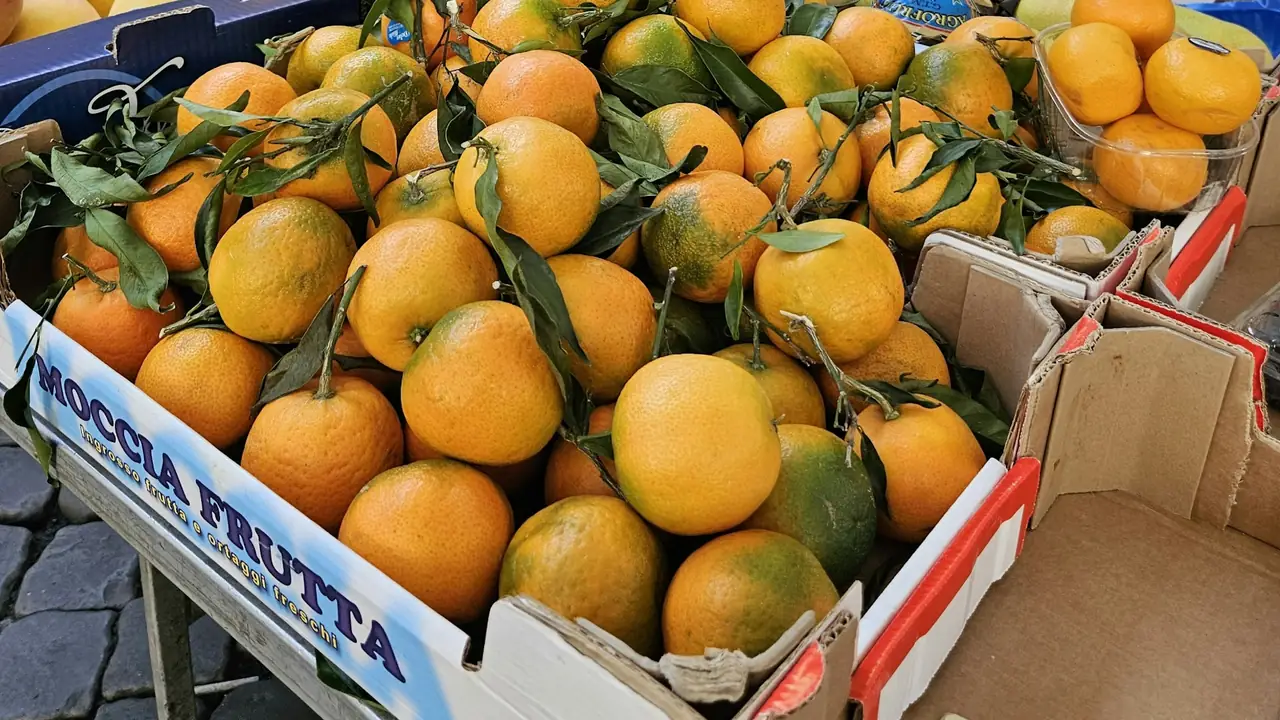
As winter arrives, citrus fruits take center stage on our tables, bringing a burst of freshness and color. Yet, many common beliefs about oranges, lemons, and grapefruits are based on persistent myths rather than nutritional science. Dr. Maya Rosman, scientific adviser to the Plant Council, has debunked several widespread misconceptions, shedding light on the surprising nutritional facts behind our favorite seasonal produce.
Vitamin C and the Acid Myth
One of the most surprising facts is that lemons and oranges contain almost identical amounts of vitamin C, despite the distinct difference in their sourness. Both fruits contain approximately 53 milligrams of vitamin C per 100 grams. This means that a fruit's sour flavor is not an indicator of its vitamin content. Vitamin C is essential for immune function, collagen production, and iron absorption from plant-based foods, and a single large orange can easily supply the recommended daily intake for both men and women.
The Source of Lemon Sourness
The intense tartness of a lemon comes from citric acid rather than vitamin C. Freshly squeezed lemon juice contains about 4.8 grams of citric acid per 100 milliliters, compared to roughly 0.9 grams in orange juice. The perception of sourness is heavily influenced by the ratio between acids and sugars. Because lemons contain a high concentration of acid and very little sugar to moderate it, their flavor is exceptionally sharp.
Sugar Content Across Citrus Varieties
When comparing sugar levels, lemons contain only about a quarter of the sugar found in oranges or mandarins, registering around 2.5 grams per 100 grams compared to 9.4 grams in oranges and 10.6 grams in mandarins. However, this does not mean oranges and mandarins should be avoided. The sugar in these whole fruits is naturally packaged with water, dietary fiber, and beneficial plant compounds, making them a healthy choice even during a weight-loss diet.
Drug Interactions With Grapefruit and Pomelit
Grapefruits contain natural compounds called furanocoumarins, which inhibit the CYP3A4 enzyme in the gut responsible for breaking down certain medications. This inhibition can lead to elevated drug concentrations in the bloodstream, a phenomenon well-documented with cholesterol-lowering medications such as simvastatin and lovastatin. Contrary to popular belief, pomelit—a hybrid citrus fruit—can also contain these furanocoumarins. Because levels vary widely between different varieties and individual fruits, anyone taking medications with grapefruit warnings should consult a physician or pharmacist before consuming pomelits.
The Nutritional Value of White Fibers
Many people meticulously peel away the white threads found beneath the skin of oranges and clementines, known as the albedo. However, these fibers are entirely edible and beneficial. They contain dietary fiber, including pectin—a soluble fiber that promotes satiety and supports digestive health—as well as flavonoids with antioxidant properties. There is no health reason to discard these threads before eating.
Whole Fruit Versus Freshly Squeezed Juice
Eating a whole orange is generally preferable to drinking freshly squeezed juice. Consuming a whole fruit preserves dietary fiber, and the physical act of chewing enhances the feeling of fullness. In contrast, a 250-milliliter glass of natural orange juice delivers the sugar and calories of multiple oranges in minutes without providing the same satiety. While the juice retains vitamin C and other nutrients, whole fruits remain the optimal choice for weight management.