Supreme Court Rejects Urich Petition in Israeli media Interview Raw Footage
The Supreme Court rejected a petition by Yonatan Urich for an expanded panel review regarding unbroadcast interview footage involving journalist Omri Asenheim and Kan 11.
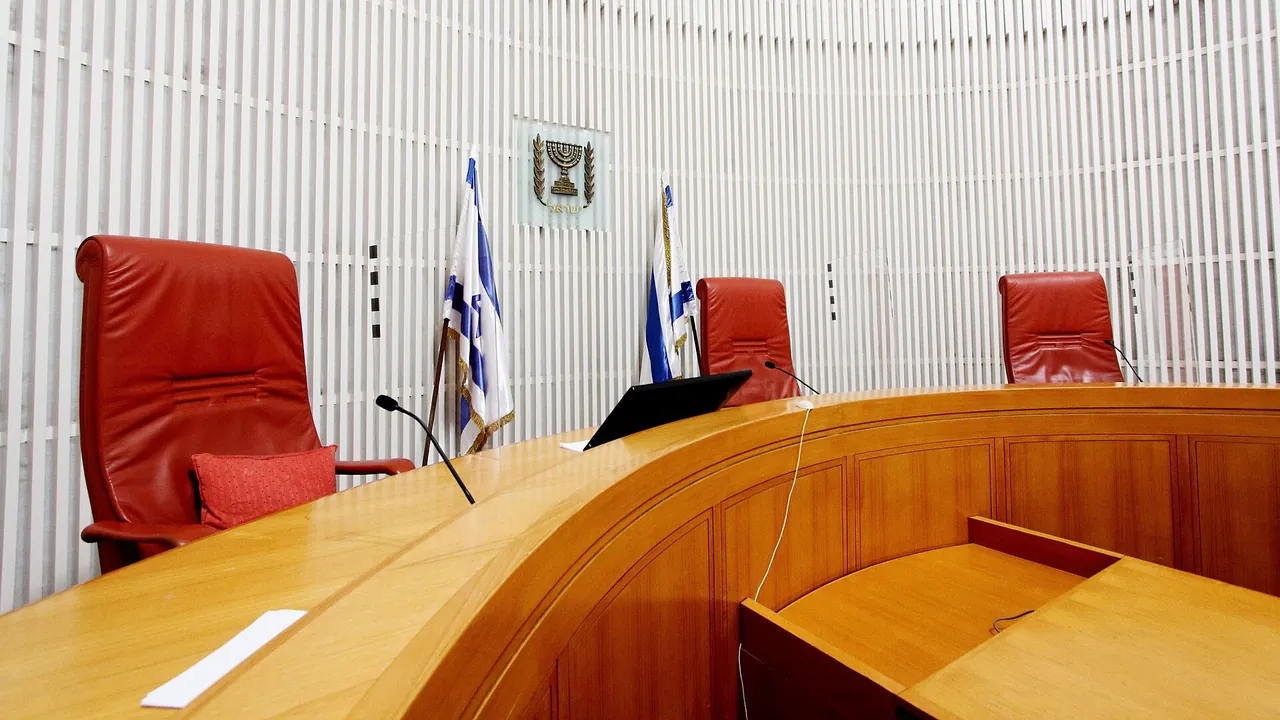
The Supreme Court dismissed a petition filed by Yonatan Urich requesting an expanded panel review regarding unbroadcast raw footage from an interview conducted by journalist Omri Asenheim with Eli Feldstein.
Justice Noam Sohlberg, the Deputy President of the Supreme Court, rejected the petition following a ruling delivered in May. The legal dispute centered on raw materials from the multi-part investigative interview broadcast in Israeli media in December 2025, where Feldstein discussed the classified documents leak affair involving the German newspaper Bild.
Legal Background and Expanded Privilege
Following the broadcast, Urich and the Israel Police sought to obtain all raw materials behind the report, including unedited recordings. While lower courts initially sided with the police request, the Supreme Court reversed that decision in May, ruling that journalistic privilege extends to off-the-record information and raw materials obtained under trust.
As a result of that ruling, the police were instructed to submit targeted requests specifying necessary investigative materials rather than demanding comprehensive access. Although the police subsequently withdrew their application, Urich petitioned the Supreme Court for an expanded further hearing.
Court Ruling on Exceptional Procedures
Justice Sohlberg emphasized that further hearings in the Supreme Court are exceptional procedures reserved for rare cases. He noted that the police themselves opposed the new hearing and clarified that expanding journalistic privilege is not extreme, as it remains a qualified privilege that can be lifted under appropriate circumstances.
Sohlberg addressed contentions that targeted material requests hinder police work, stating it does not present an insurmountable barrier. He also determined that arguments regarding police conduct in the specific investigation must be addressed within the primary criminal proceedings rather than through a hearing on journalistic privilege.
The decision maintains the May ruling issued by an expanded panel consisting of President Isaac Amit, Justice Alex Stein, and Justice Khaled Kabub, which established that protecting reporter-source trust applies to gathered information and materials alongside source anonymity.