Supreme Court Approves 4.53 Million Shekel Settlement in Work Accident Case
An accident victim secured a 4.53 million shekel settlement approved by the Supreme Court with Migdal Insurance, despite the National Insurance Institute cutting his general disability allowance to 28 percent.

An accident victim who suffered severe hand injuries in a work-related car crash has secured a total compensation package of approximately 4.53 million shekels. The Supreme Court of Israel approved a settlement between the injured worker and Migdal Insurance, overriding the National Insurance Institute's decision to terminate the claimant's general disability allowance.
The incident began when the worker sustained severe hand trauma during a traffic accident while on the job, developing chronic regional pain syndrome and functional impairments. A court-appointed orthopedic expert compared the functional loss of the hand to an amputation. In February 2026, the District Court ruled that the claimant had lost 60 percent of his earning capacity and awarded damages against Migdal Insurance.
Supreme Court Appeal and Settlement
Less than a month after the District Court ruling, the National Insurance Institute halted the claimant's general disability allowance following a medical board assessment that set his medical disability at 28 percent, though his work-related disability benefits remained active. Represented by attorneys Gil Ben Ari and Tal Balila, the claimant appealed the damages ruling to the Supreme Court, while Migdal Insurance also filed a cross-appeal.
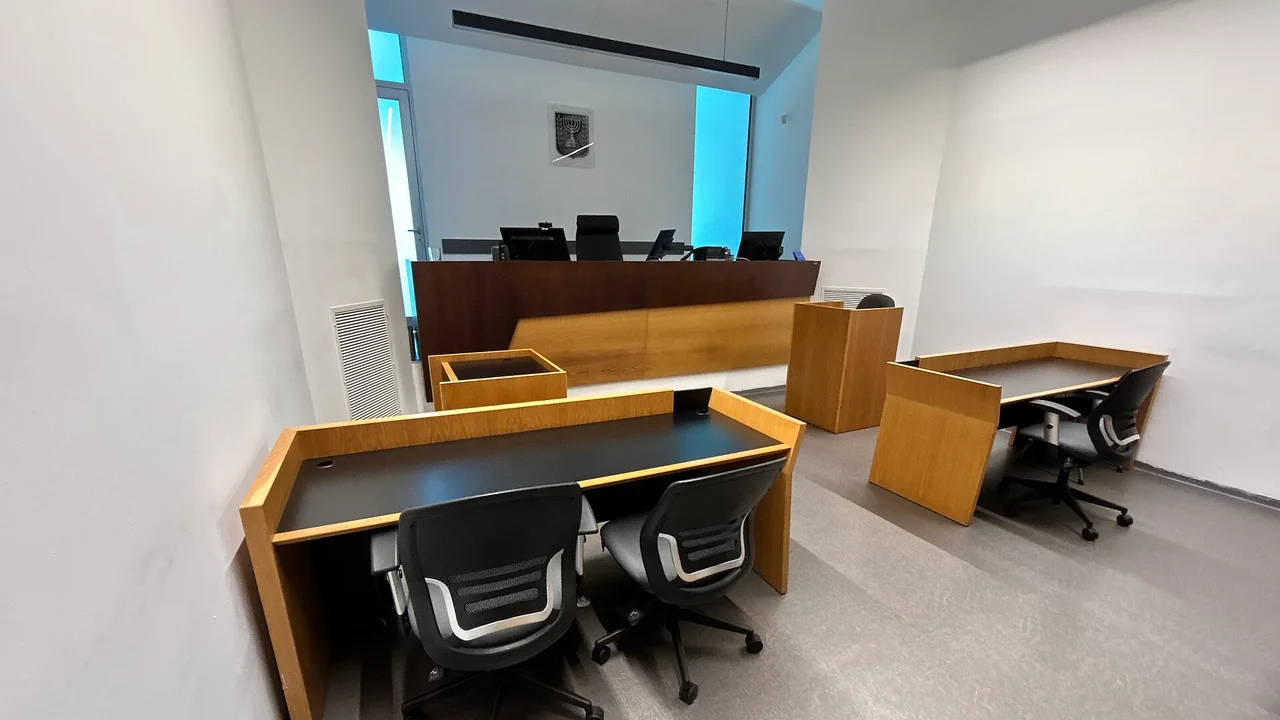
A panel consisting of Supreme Court President Isaac Amit and Justices Yael Wilner and Gila Canfy-Steinitz heard the appeals. Following Justice Wilner's recommendation, the parties reached a settlement where Migdal Insurance agreed to pay an additional 461,360 shekels, including legal fees and value-added tax. On November 4, 2026, the Supreme Court validated the agreement as a final judgment without an order for costs, bringing the total compensation to roughly 4.53 million shekels.
Dual Tracks for Work-Related Road Accidents
The case underscores the legal complexity of motor vehicle accidents occurring during employment, where victims may navigate concurrent claims through compulsory vehicle insurance and the National Insurance Institute. While injury claims under Israel's road accident compensation laws do not require proof of fault, National Insurance proceedings involve specific criteria regarding work injury recognition, medical boards, and potential deductions to prevent double recovery between state benefits and private insurance payouts.