Building Collapses Expose Critical Oversight Gaps in Israeli Real Estate
Recent building collapses and balcony failures across Israel highlight severe gaps in municipal oversight and maintenance enforcement, leaving experts urging mandatory structural inspections.
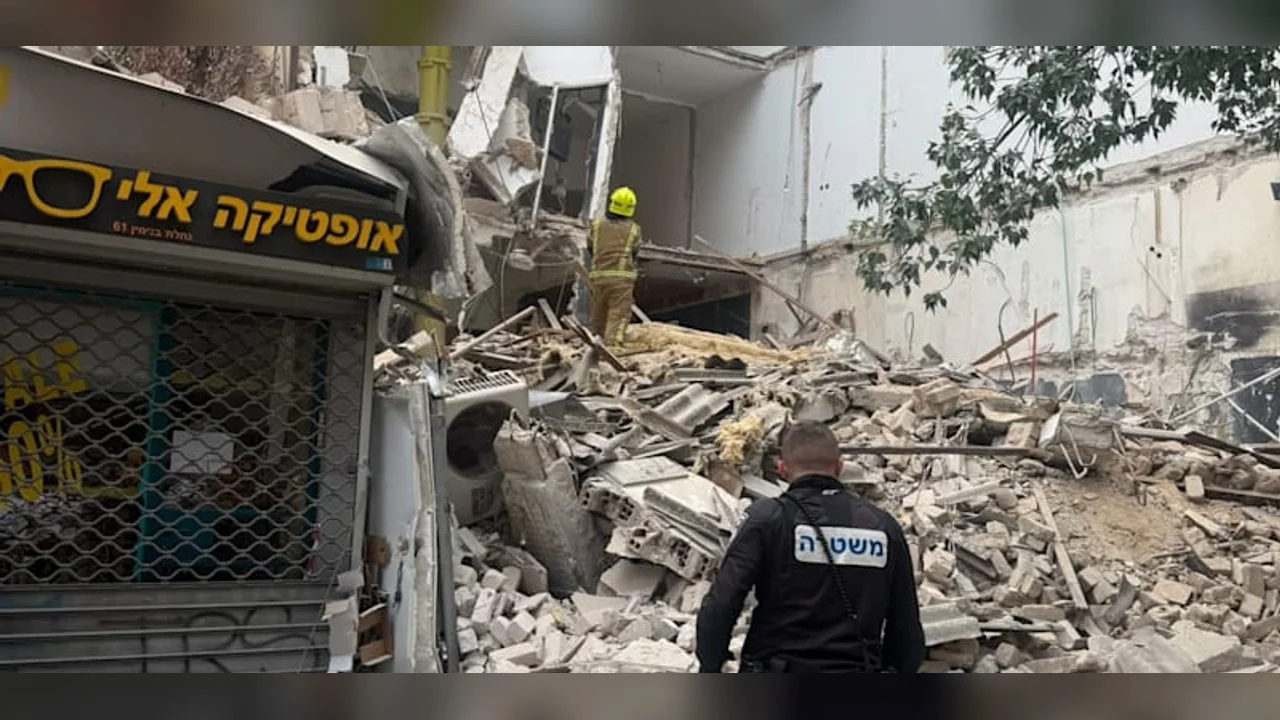
Recent building collapses and balcony failures across Israel have exposed critical vulnerabilities in municipal oversight and property maintenance standards. Following a series of incidents, including a partial structural collapse in Tel Aviv and a fatal balcony collapse in Jerusalem, experts are warning that the current reliance on voluntary guidelines resembles a dangerous game of roulette.
A Pattern of Failures and Tragedies
In recent months, several high-profile structural failures have shaken urban centers. A six-story building on Rehavia Street in Tel Aviv partially collapsed in April 2026, injuring two people. The structure, approximately 90 years old, had previously been designated as a dangerous building in 2018 before the file was closed in 2020 following repairs. In September 2025, a balcony collapsed onto a closed restaurant on Dizengoff Street in Tel Aviv, months after the building was flagged for cracks and exposed reinforcement bars.
Perhaps the most tragic incident occurred on July 20, 2026, in the Rehavia neighborhood of Jerusalem, where a balcony from a 1952 building collapsed onto an Angel Bakery branch, resulting in the death of an 80-year-old man and injuring others. Unlike the other properties, this building had not been declared dangerous beforehand, although it accumulated 17 inspection files for construction violations dating back to 1994. The municipal architect confirmed that the balcony was originally built legally, and engineering assessments suggested that moisture penetration and wear over time caused the steel reinforcement to fail.
The Missing Regulatory Framework
Unlike major international metropolitan areas such as New York, where building facades over six stories must be inspected every five years under threat of severe fines, Israel lacks mandatory periodic inspection requirements. Dr. Benny Brosh, an expert in building standards and fortification, noted that while Israel maintains Standard 1525—which mandates annual routine checks by professionals and comprehensive engineering reviews every five years—the standard is entirely voluntary and largely ignored.
"The moment authorities identify a danger or receive a report, they can invoke their authority and declare a building dangerous," Dr. Brosh explained. "The reason is that a dangerous structure does not only threaten the residents living inside it, but also the general public passing by."
Because municipalities lack the manpower to proactively inspect every structure, enforcement typically relies on public complaints or random patrols. Experts argue that a comprehensive legislative overhaul is urgently needed to mandate periodic inspections, map aging infrastructure, and establish reliable funding mechanisms for property owners who struggle to finance essential repairs.
Legal Liability and the Tenant Dilemma
From a legal perspective, Asaf Segal, a partner in the real estate department at Naschitz Brandes Amir, emphasized that the primary responsibility for maintenance rests squarely with property owners and cooperative apartment committees. When a structural defect is identified, municipalities issue dangerous building notices requiring remediation within a specified timeframe. However, Segal stresses that local authorities must actively follow up to ensure the required restoration work is completed.
"In the event of a collapse during construction work, such as the incident on Nachlat Binyamin Street, liability may also extend to the developer, contractor, and involved engineers," Segal stated. He also highlighted the precarious position of tenants, who are often unaware of dangerous building designations, have no control over maintenance, yet are the first to be evacuated when structural risks materialize.