Judge reprimands, Trump administration retreats: Subpoenas against New York Times journalists canceled
The US Department of Justice attempted to compel three reporters to reveal their sources regarding security flaws in the plane donated to Donald Trump by Qatar. During the hearing, it was revealed that authorities had also requested call records of the journalists' relatives. Judge Arun Subramanian stated: 'Subpoenas are the last step, not the first.'
An unusual and surprising retreat by the Donald Trump administration in its campaign against the media: on Thursday, the US Department of Justice, having no other choice and following sharp criticism from a federal judge, canceled subpoenas intended to compel three New York Times reporters to testify before a grand jury regarding their sources. The articles in question revealed that the new 'Air Force One' plane, donated to the president by Qatar, lacks missile defense systems.
The affair began earlier this month when the New York Times published, based on anonymous sources, that the new presidential plane — a luxury aircraft in which the administration invested about 400 million dollars in upgrades — lacks advanced anti-missile capabilities that were present on the old plane. Consequently, the Secret Service recommended that Donald Trump return from the NATO summit in Turkey on the old aircraft.
Donald Trump denied any security issues, but a few days later, the Department of Justice issued subpoenas to the reporters in an attempt to locate the leakers of the information.
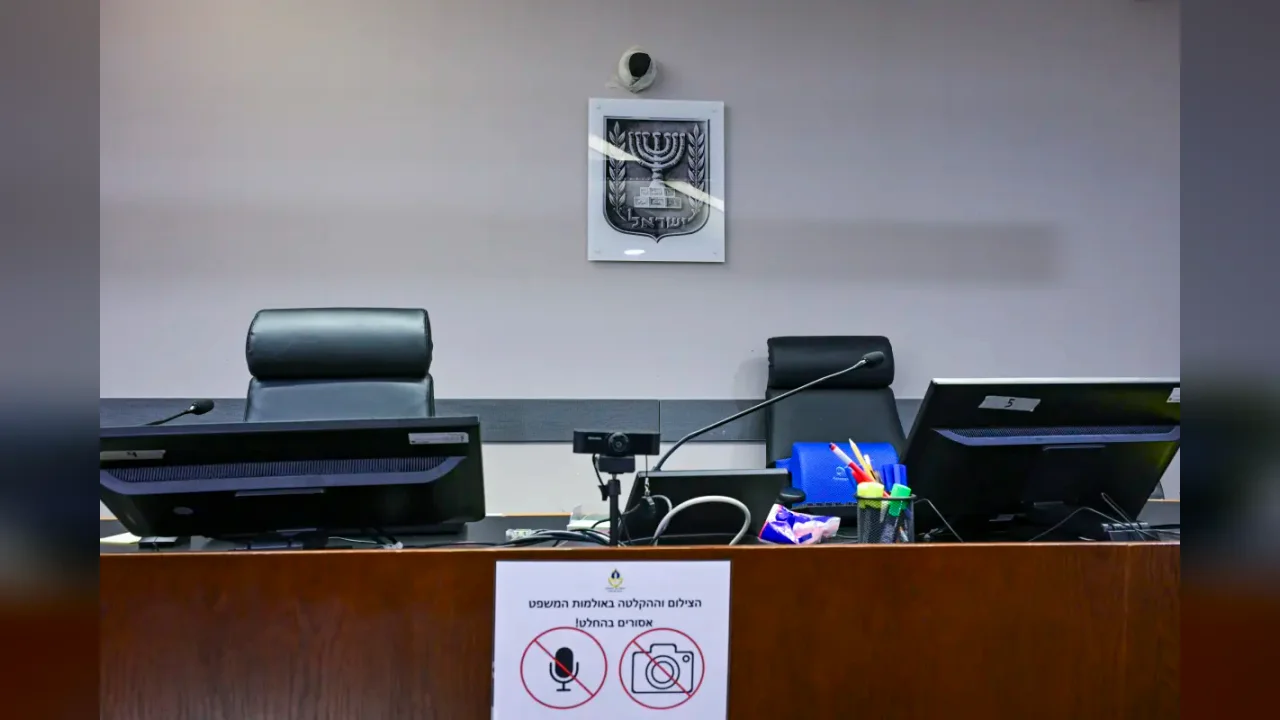
In a hearing held at the District Court in New York, the administration's representatives were sharply reprimanded. Judge Arun Subramanian ruled that according to the rules intended to protect freedom of the press, the prosecution must first exhaust every other investigative path:
'Subpoenas are the last step, not the first.'
According to the judge, had it not been for the retreat, he would have granted the newspaper's request to cancel them, and he even hinted that in a civil proceeding, he would have considered sanctions against the lawyers. During the hearing, it also emerged that the subpoenas for obtaining call records were mistakenly expanded to include the mother of one of the reporters — a mental health professional — and the partners of two others. Department of Justice attorney Sean Buckley admitted: 'This was a mistake that we take responsibility for,' explaining that it stemmed from an attempt to act quickly.
The New York Times, which argued that the subpoenas were issued in 'bad faith' and were intended to scan the source connections of its reporters far beyond the affair itself, accepted the cancellation with satisfaction.
The newspaper's chief counsel, David McCraw, said that the administration finally admitted that the subpoenas were illegal and that there was no basis for issuing them. The Department of Justice, on the other hand, attacked the judge, claiming that he threatened sanctions and prevented the grand jury from hearing substantive testimony in a national security investigation, while clarifying that the investigation is ongoing.
This is not the first time the administration has retreated from such a move — recently, similar subpoenas issued to journalists from the 'Washington Post' and 'Wall Street Journal' were canceled. The judge concluded the hearing with a request that such incidents not be repeated, after one of the reporters received a subpoena directly from an FBI agent who showed up at his doorstep while he was watching a movie with his children.