Israel Expands Official State Vehicle Fleet While Delaying Leasing Transition
The Israeli government has increased official vehicle allocations for senior officials by 17.6% since 2023, while delaying a cost-saving leasing transition and canceling a major electric vehicle tender.
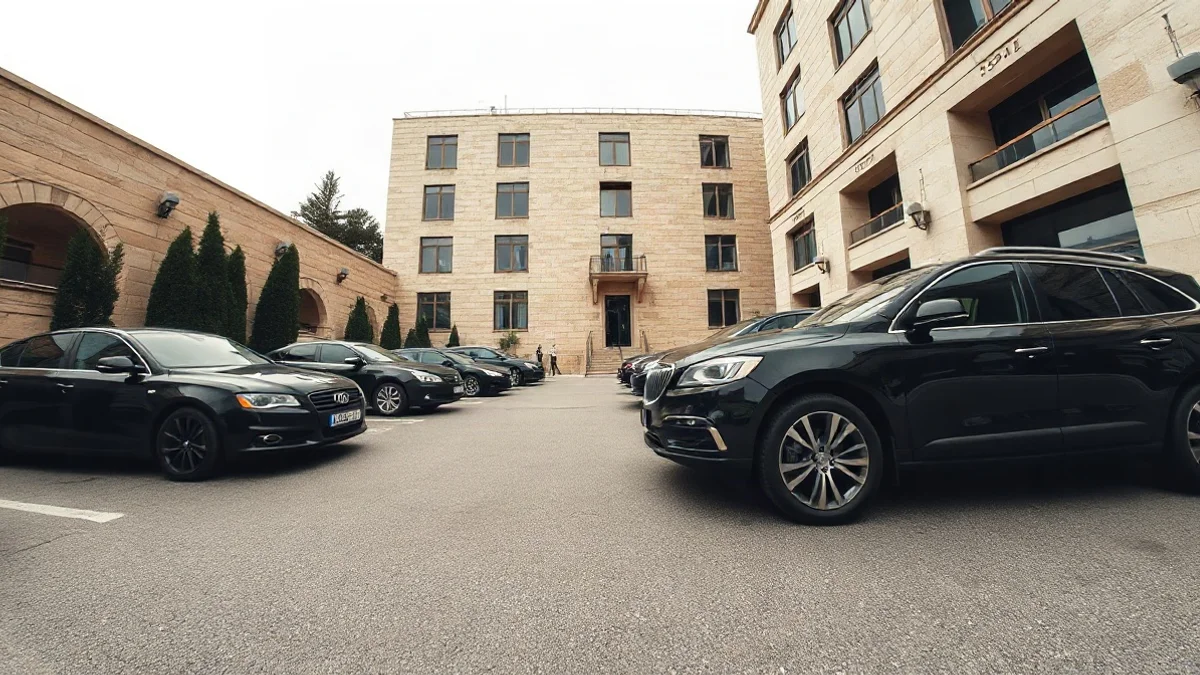
Despite a state comptroller report indicating potential savings through leasing, the Israeli government has expanded its fleet of official vehicles for senior officials while delaying alternative operational models. Data obtained via a freedom of information request by an association led by Attorney Kobi Eisen shows that the number of vehicle beneficiaries across ministries and governmental units grew from 923 in 2023 to 1,086 in 2026, marking a 17.6% increase.
Comparing 2025 to 2026 alone, 95 new vehicle allocations were added, representing a surge of nearly 10%. This expansion coincides with the government's continued reliance on direct vehicle purchases and state ownership. In March 2025, the Ministry of Finance announced plans to transition part of the state fleet to leasing, issuing a tender for consulting services. However, by June 2026, the plan was postponed, leaving the state reliant on direct procurement, existing fleets, and temporary rentals. The ministry stated that the issue remains under review.
Comptroller Findings and Agency Growth
In a 2022 report, the State Comptroller compared the direct state operation model to leasing alternatives, concluding that leasing is approximately 10% cheaper in terms of total cost. The comptroller estimated potential annual savings of about 6 million shekels for the fleet examined, factoring in improved service and newer vehicles. The comptroller also criticized previous governmental economic evaluations for loading excessive costs onto leasing models while underestimating associated services, a calculation disputed by the Vehicle Administration.
Nearly half of the growth in vehicle allocations between 2025 and 2026 is concentrated in three bodies: the Prime Minister's Office saw an increase from 64 to 80 vehicles, the Ministry of Health rose from 33 to 48, and the Population and Immigration Authority expanded from 10 to 25. Even excluding new administrative bodies such as the Tekuma Directorate and the Northern Tkufa Directorate, which together account for 30 vehicle allocations in 2026, a 14% growth remains.
Electric Vehicle Tender Setback
Concurrently, the state opted not to transition to more fuel-efficient vehicles. In December 2025, the Ministry of Finance published a major electric vehicle procurement tender for civil servants, alongside initiatives to establish a supporting charging network. The tender covered senior officials, junior employees, and families with multiple children. However, the procurement was canceled due to a stated need for cost reassessment and adaptation to changing requirements.