Spain Elections 2025: How a Potential Right-Wing Shift Could Reset Ties With Israel
Spain's general election campaign has thrust Israel into the political spotlight, with radical left parties vying for anti-Israel policies while the favored right-wing bloc focuses on domestic issues.
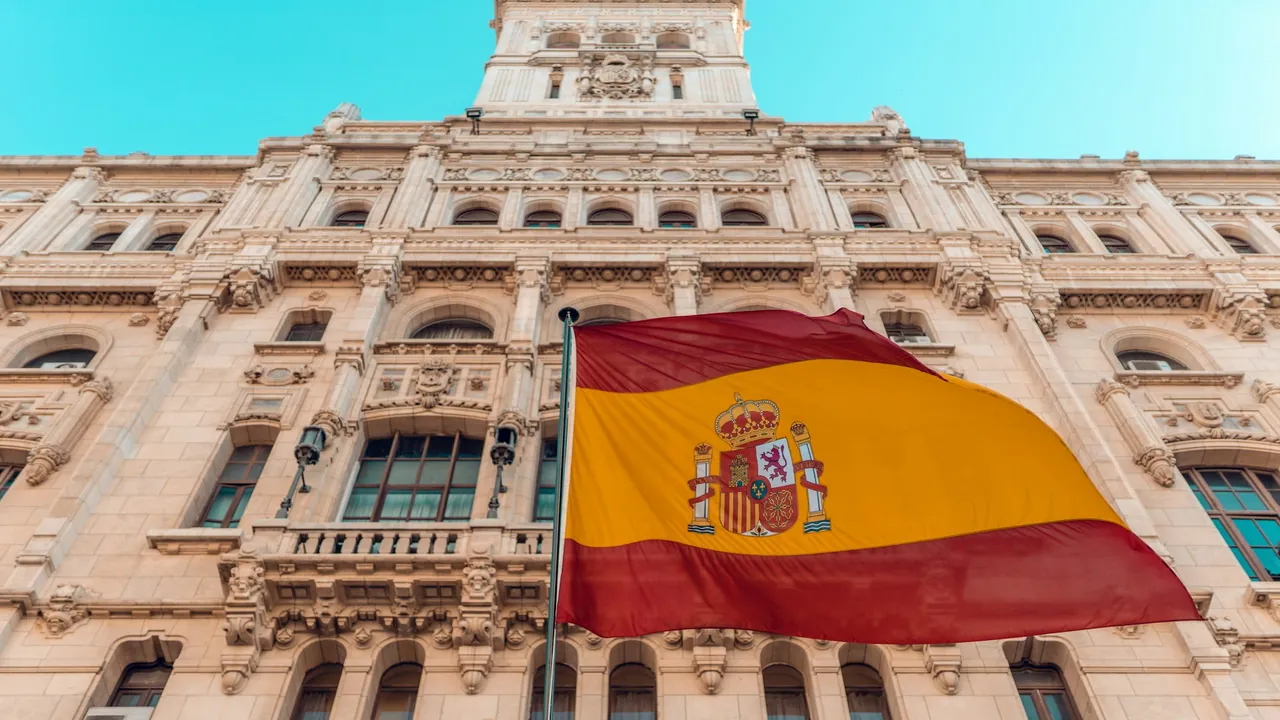
Israel and the ongoing conflict in Gaza have emerged as prominent topics in Spain's general election campaign, though the focus remains heavily skewed toward the political left, according to an analysis by the Jewish-Spanish news outlet Enfoque Judío.
While left-wing and radical left factions have placed their opposition to Israel at the center of their messaging to mobilize voters lagging in the polls, conservative and right-wing parties have largely prioritized domestic issues such as housing affordability, wage stagnation, and pensions. Public sentiment in Spain heavily tilts against Israel, fueled by findings from a July 2025 Elcano Royal Institute barometer showing that 82 percent of Spaniards believe Israel is committing genocide in Gaza, a sentiment shared by 97 percent of left-wing respondents and 62 percent of right-wing voters.
Left-Wing Parties Compete Over Anti-Israel Policies
Amid a generally negative public perception reflected in recent YouGov and Pew Research Center surveys, left-wing factions are engaged in a fierce competition to adopt the most hostile stance toward Jerusalem. The radical left Podemos party has proposed severing diplomatic, commercial, and cultural ties with Israel, imposing a comprehensive arms embargo, classifying Zionism as racism, and prosecuting Israeli soldiers and officials. Podemos prime ministerial candidate Irene Montero criticized Prime Minister Pedro Sánchez's Spanish Socialist Workers' Party (PSOE) for failing to completely break off relations with what she termed a genocidal state.
Similarly, the newly formed Broad Front alliance—headed by former Barcelona mayor Ada Colau, who was detained and deported by Israel during the October 2025 Sumud flotilla—has called for a permanent arms embargo, the cessation of technological cooperation with Israel's defense industry, and new legislation to sever bilateral ties. While Sánchez's PSOE government has spearheaded tangible measures against Israel during its current term, including recognizing a Palestinian state, implementing an arms embargo, and banning imports from settlements, its current platform includes comparatively moderate language.
The Right-Wing Stance and Potential Policy Shifts
During a recent televised debate, Sánchez challenged People's Party (PP) leader Alberto Núñez Feijóo to applaud the government's stance on Gaza, to which Feijóo replied by condemning the bloodshed as a massacre while distancing himself from the term genocide. The center-right PP, projected by most polls to emerge as the largest party, has largely minimized foreign policy in its campaign. The PP platform characterizes Israel as a key partner for regional diplomacy while condemning the civilian toll in Gaza. Meanwhile, the right-wing Vox party has focused its international platform primarily on Moroccan sovereignty disputes regarding Ceuta and Melilla, though party leader Santiago Abascal has expressed solidarity with Israel following the October 7 massacres.
Recent polling indicates that a coalition between the PP and Vox could secure a parliamentary majority, potentially ending the tenure of Pedro Sánchez and altering Spain's diplomatic trajectory. Analysts suggest a right-wing government would likely seek to restore ambassadors, rebuild security cooperation, and gradually reassess recent unilateral measures such as arms embargoes and settlement import bans, though any such diplomatic warming would need to navigate widespread public skepticism.