SpaceX Cleared by FCC to Deploy One Million Orbital Data Center Satellites
The US FCC has authorized SpaceX to deploy Starmind, a constellation of one million orbital data centers designed to process artificial intelligence workloads and bypass terrestrial energy limits.
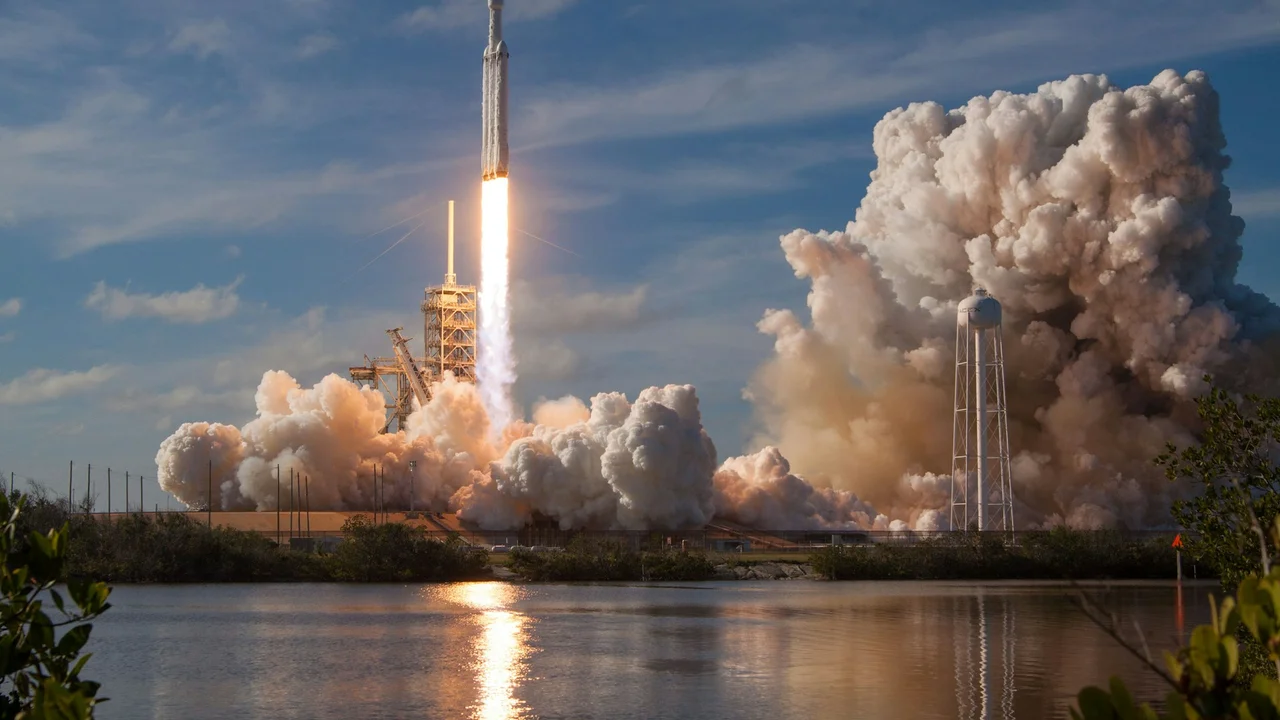
The United States Federal Communications Commission (FCC) has granted SpaceX official authorization to deploy a massive constellation of one million satellites designed to operate as orbital data centers. Named "Starmind", the planned satellite network will handle high-demand data processing operations for the global artificial intelligence industry.
Traditional artificial intelligence data centers on Earth require immense quantities of electricity and complex cooling infrastructure. Moving these computing hubs to orbit allows operators to bypass terrestrial limitations regarding energy consumption, cooling requirements, and land availability. According to SpaceX, these orbital units will harness near-continuous solar energy while incurring minimal operational and maintenance expenses, achieving revolutionary energy efficiency and cost savings while significantly reducing the environmental footprint associated with terrestrial server farms.
Deployment Timeline and Regulatory Requirements
Under the terms of the operating license, SpaceX must initiate the deployment phase no later than November 2033. The company is required to deploy 10 percent of the maximum capacity—amounting to 100,000 satellites—by November 2035, and reach a 50 percent deployment milestone by November 2038. Industry analysts note that satellite operators frequently request authorization for quantities exceeding their immediate construction plans to secure regulatory and planning flexibility, leaving it uncertain whether one million satellites will ultimately reach orbit where roughly 17,000 active satellites currently operate.
SpaceX's ambitious proposal relies heavily on the anticipated cost reductions promised by Starship, the next-generation reusable heavy-lift rocket system currently under development by the company. The project has drawn criticism from competitors, including Amazon and its rival satellite division, who contend that SpaceX is unlikely to deploy the full constellation and argue that completing such an initiative could require centuries.
FCC Chairman Brendan Carr dismissed these objections, pointing to the pace of actual launches. In a statement addressing the criticism, Carr asserted that competitors should focus on their own launch programs and satellite networks rather than questioning the execution speed of operators actively deploying hardware in space.