World's Youngest Nation Struggles with Deep Political and Tribal Crises
South Sudan faces severe instability, tribal conflict, and political deadlock that threaten its future, as experts warn that technical hurdles and infrastructure deficits stall national elections.
South Sudan continues to grapple with severe institutional instability, ethnic divisions, and political deadlock that threaten the fragile future of the world's youngest nation. According to foreign policy experts, the prospect of holding credible national elections in the near future remains highly unlikely due to overwhelming technical hurdles and a lack of essential infrastructure.
Dr. Haim Koren, a researcher at Reichman University and former Israeli ambassador to South Sudan, explained that while technical preparations such as equipment and facilities are severely lacking, the deeper impediment stems from unresolved tribal conflicts and bitter rivalry between the political opposition and the sitting president.
Tribal Rivalries and Historical Background
South Sudan is divided into ten provinces, but its social framework remains deeply rooted in traditional tribal structures where leadership roles are fiercely contested based on demographic weight and tribal influence. In regions lacking a clear consensus on tribal dominance, violent clashes frequently erupt over territorial control.
When President Salva Kiir and rebel leader Riek Machar forged an agreement to establish an independent South Sudan in 2011, they outlined a five-year transitional vision following a historic referendum. However, deep-seated personal and tribal animosities, compounded by external power dynamics, have consistently derailed governance.
Economic Potential Hampered by Infrastructure
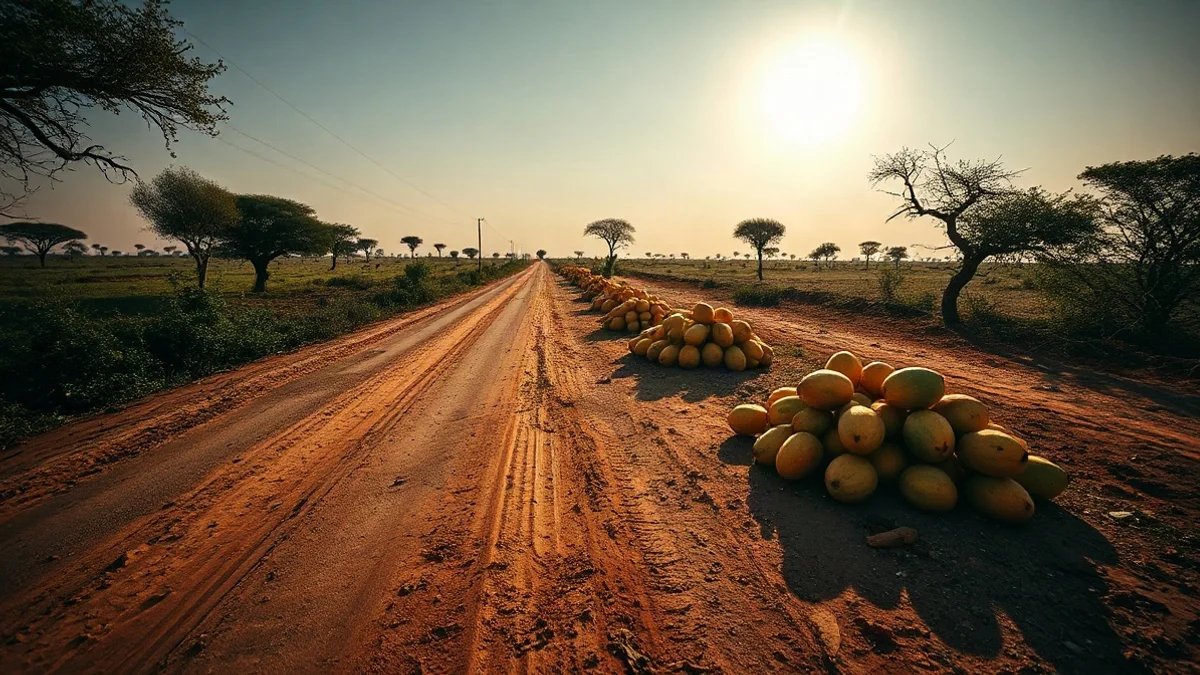
Despite abundant natural resources and immense potential for economic recovery, the country suffers from a catastrophic lack of basic infrastructure, including paved roads that are vital for commerce. Agricultural produce, such as high-quality mangoes grown in remote interior regions, often rots before it can be transported to market due to impassable routes and cumbersome state bureaucracy.
Dr. Koren noted that efforts to impose 21st-century state administration models onto traditional tribal frameworks have continually stalled progress, leaving the young nation struggling to establish effective governance and stability.