Saudi political source: "Normalization with Israel has not been taken off the table"
At the White House summit, scenarios for continuing the campaign against Iran were presented. According to sources familiar with the details, the gaps between Israel and the Trump administration are minor. The emerging scenario for now: intensifying the economic blockade alongside a war of attrition, without being dragged into intense warfare.
The importance of the summit meeting between US President Donald Trump and Prime Minister Benjamin Netanyahu lies in aligning positions regarding strategic goals in the region, primarily Iran. With due caution, it can be said that the emerging direction is the intensification and tightening of the economic blockade alongside ongoing weakening attacks - but at least for now, without being dragged into intense warfare.
In the conversation at the White House, attended by Vice President Vance, Secretary of State Marco Rubio, and the Minister of Defense, these goals were defined jointly. The main one is weakening Iran until it ceases to pose a threat to its neighbors, and increasing the chances for a full regime change.
Scenarios presented in the discussion
According to political sources, the discussion presented scenarios and counter-scenarios, as well as certain disagreements over the way to achieve the goals and the required timeline. The Americans did not rule out reaching an interim arrangement that would open the Strait of Hormuz to free movement, but clarified that despite the ongoing contacts, the Iranian leadership is not ready to accept the American threshold conditions and the compromise proposals from Oman and Pakistan.
In the military context, they discussed the possible consequences of returning to intense warfare versus continuing a "war of attrition" as it is currently being conducted. When the discussion turned to applying economic pressure on Iran, Netanyahu - who received backing from Secretary of State Rubio - spoke about the internal situation in Iran and the conditions that might lead to the renewal of protests against the regime.
Here too, as in the meetings at Mar-a-Lago in December and February, the scenario involves months of exhausting Iran and an economic blockade that will deteriorate the internal situation.
An important point was the energy issue, and the crisis Iran is in due to its difficulties in refining crude oil and importing refined oil against the backdrop of the blockade. Added to this is the Israeli damage to gas facilities, which further harms electricity supply.
Monitoring Fordow
The discussion on the nuclear issue was not long, and no new Israeli information was provided within its framework. However, it was clarified that there are no disagreements regarding the need to act if and when the need arises to prevent Iranian progress toward a nuclear weapon. Accordingly, Fordow and other Iranian nuclear sites will continue to be under intelligence control in a way that will allow for real-time decision-making.
One of the sources familiar with the details tells "Ha-Yom" that the common ground in the discourse held at the White House is much more prominent and significant than the minor disagreements between the parties. He further added that for the time being, it seems that even within the Trump administration, opinions are more uniform after Iran violated the memorandum of understanding.
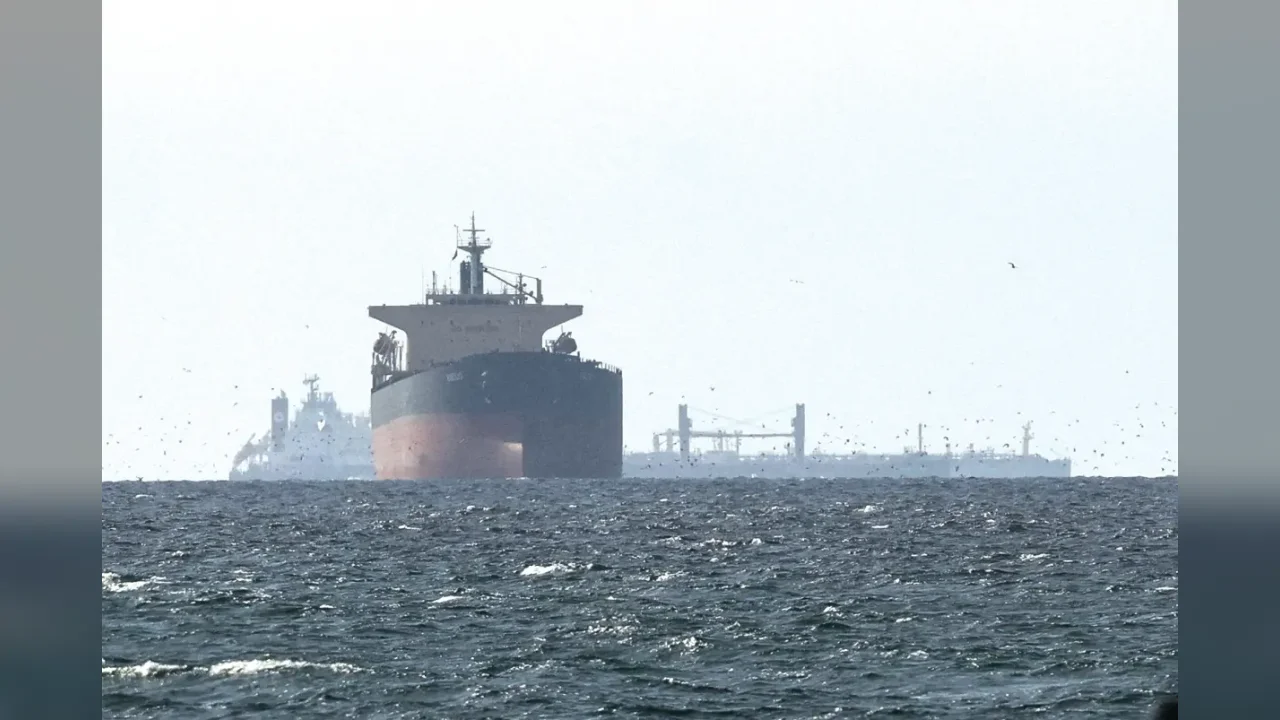
In the conversation, the issue of the involvement of other countries in attempts to open the Strait of Hormuz to free movement was also raised. Criticism was leveled at European countries that have not assisted the effort so far, and an assessment was voiced that the continuation of the current situation will force them to join the effort.
Houthis pressuring Saudi Arabia
The discourse also dealt with the expansion of the Abraham Accords, with President Trump insisting on his intention and deep commitment to bring more countries to the agreements, led by Saudi Arabia. However, according to political sources, the timeline for this depends to a large extent on the developments of the campaign against Iran.
One of the sources says that Iran's use of the Houthis to harm the western shipping route from Saudi Arabia to the east brings the Saudis closer to the understanding that a real regional alliance is needed against Iran and its proxies.
In this context, a Saudi political source tells "Ha-Yom": "The Israeli issue (regarding normalization and joining the Abraham Accords) was not taken off the table during the war." In response to a question about the connection to a Saudi-American nuclear project, the source said: "There will be a Saudi civilian nuclear project, and it does not contradict the Israeli issue."