Sony Patents In-Car Scent System as Automakers Push Into Digital Advertising
Sony has filed a patent for an in-vehicle system that releases food aromas based on roadside billboards, highlighting a broader automotive industry shift toward monetizing passenger time through location-based ads.
Sony Patents In-Vehicle Scent System for Targeted Advertising
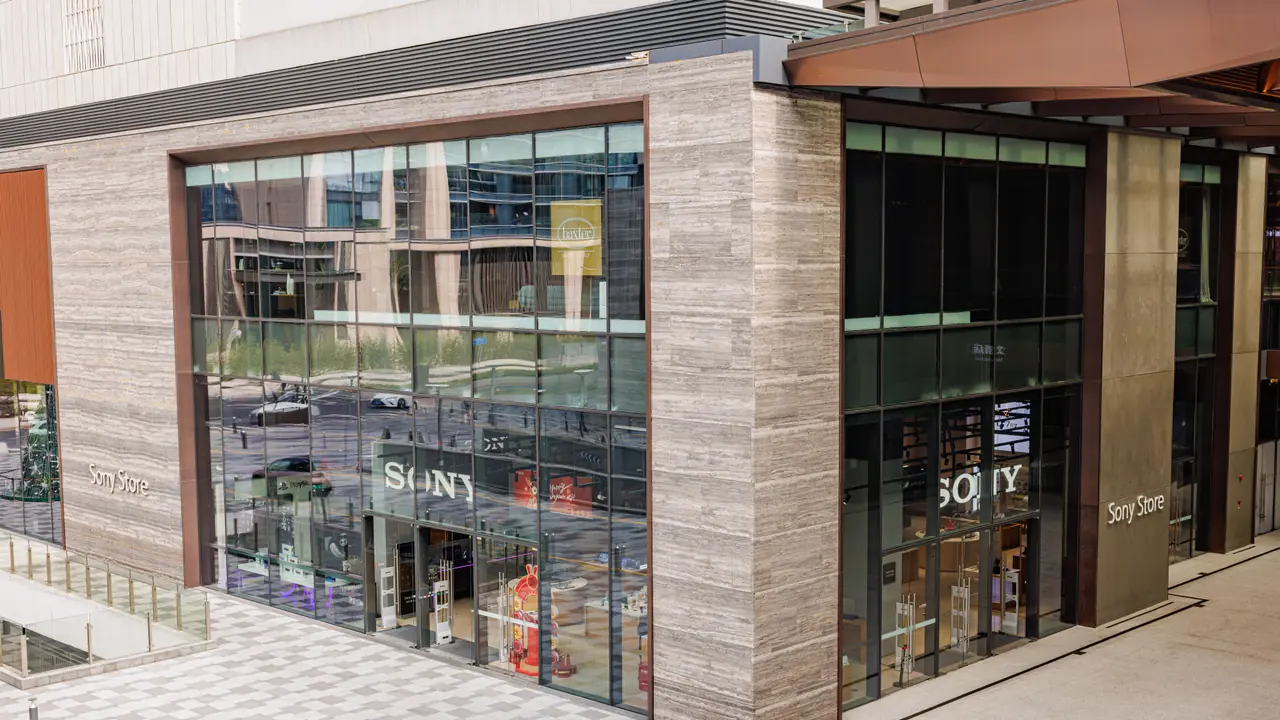
Sony has filed a patent in the United States for an innovative in-vehicle system designed to pump targeted food aromas directly into the passenger cabin. Rather than neutralizing unpleasant odors, the technology utilizes exterior cameras and sensors to detect partner food businesses, such as Pizza Hut, by reading roadside billboards. When approaching a participating establishment, the system releases a relevant aroma, such as freshly baked pizza or hamburgers, aiming to entice vehicle occupants. The setup includes an onboard fragrance cartridge and optical sensors that track the position of the driver or passengers to direct the scent precisely.
According to patent documentation, the technology allows for programmable intervals and intensity levels, ensuring occupants are not overwhelmed. This development aligns with a broader industry push toward vehicle interior monetization. Research from the American Automobile Association notes that the average American driver spends roughly 59 minutes daily inside a vehicle. As profit margins narrow across the traditional automotive sector—with European manufacturers facing plant pressures and Chinese competitors expanding—automakers and tech companies view the passenger compartment as a captive environment ripe for targeted digital engagement.
Expanding In-Car Monetization and Location-Based Recommendations
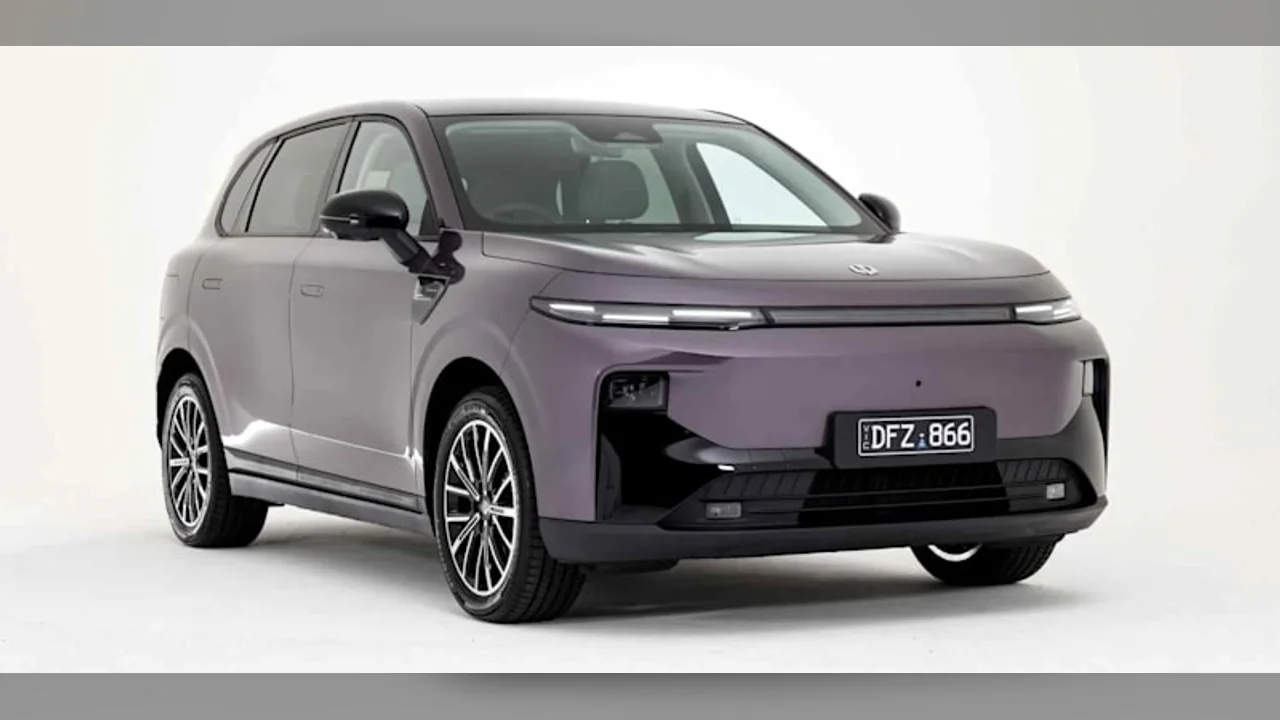
In-vehicle advertising is rapidly evolving beyond experimental concepts into concrete commercial deployments. German software firm 4screen released an investor presentation detailing a partnership with Volkswagen to deliver context-aware recommendations via over-the-air updates across 12 European markets. Similar systems are being integrated by Stellantis, Nissan, and Zeekr. These platforms utilize real-time GPS data to suggest nearby coffee shops, restaurants, and service stations along the travel route, transforming idle transit hours into an active retail channel.
Electric vehicles represent a primary target audience for these marketing innovations. EV owners are often viewed as early adopters who are more receptive to technological integration. Furthermore, the mandatory charging downtime inherent to long-distance electric travel provides extended windows for location-based advertising and automated reservations. Major industry players are already capitalizing on this shift; Volvo maintains strategic integrations with Amazon to facilitate convenient in-car delivery services, while other manufacturers refine context-aware software.
Industry Challenges and Future Commercial Integration
While location-based suggestions integrated with immediate surroundings—such as nearby dining or charging stops—gain traction, broader advertising intrusions face consumer friction. For instance, customer backlash followed attempts by BMW to display promotional material for theatrical releases directly through vehicle interfaces, highlighting the delicate balance between contextual utility and user annoyance. In Israel, localized in-car monetization currently operates primarily through third-party navigation tools like Waze rather than directly through embedded vehicle operating systems.
Industry analysts project that the next frontier in vehicular commerce will involve direct in-car payment systems. As autonomous driving technologies advance over the coming decade, the integration of seamless transaction capabilities inside the cabin is expected to unlock significant new revenue streams for both hardware manufacturers and software providers.