SolarEdge Cuts 10% of Workforce as Q3 Guidance Misses Estimates
SolarEdge is laying off 200 employees, or 10% of its workforce, following disappointing Q3 revenue guidance despite narrowing its net loss to $16 million.
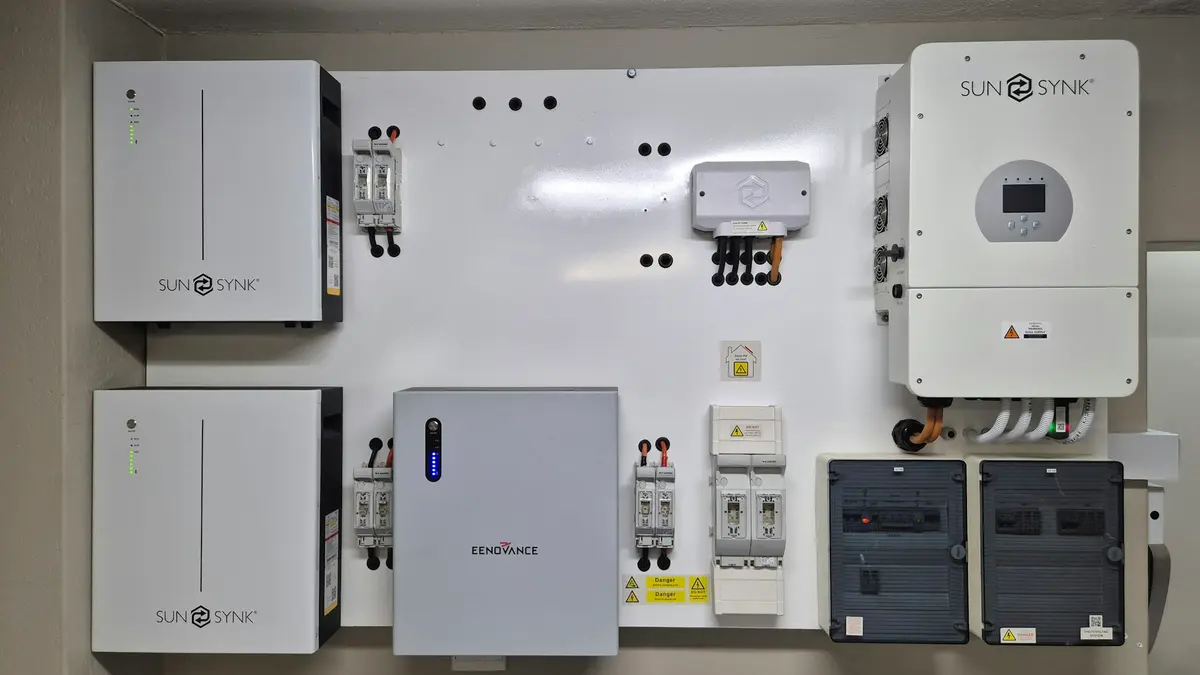
SolarEdge Technologies, the Israeli solar energy company traded on Nasdaq and led by CEO Shuki Nir, is laying off approximately 200 employees, representing about 10% of its global workforce. Market sources indicate that only a few dozen of the affected positions are in Israel.
This latest restructuring comes despite signs of financial recovery in the second quarter of 2026. The company reported revenues of $346 million, marking a 20% increase compared to the same period last year. Its net loss narrowed sharply to $16 million from $115 million, while Non-GAAP operating income reached $10 million, returning to profitability on an adjusted basis for the first time since the second quarter of 2023.
Guidance and Market Reaction
Despite the improved quarterly metrics, SolarEdge issued third-quarter revenue guidance of $310 million to $340 million, falling short of analyst expectations of approximately $371 million. The conservative outlook triggered a sharp market reaction, sending the company's shares plunging by more than 20% following the August earnings report.
Founded in 2006, SolarEdge specializes in power optimizers, solar inverters, and monitoring systems for photovoltaic arrays. In recent years, the company has grappled with softening demand in key residential markets and excess inventory levels among distributors.
History of Workforce Reductions
The current cuts follow a series of previous downsizing measures aimed at cutting costs and aligning operations with market conditions. SolarEdge laid off around 900 employees in January 2024, followed by another 400 in July 2024, and an additional 400 globally in January 2025.
Addressing the August financial results, CEO Shuki Nir emphasized that the recovery is being driven by robust demand in Europe and among commercial and industrial customers in the United States, offsetting weakness in the U.S. residential sector. Simultaneously, the company is exploring new growth avenues, including energy solutions tailored for artificial intelligence infrastructure.