Israel Shifts Solar Rooftop Tariffs Toward Free-Market Model by 2027
Israel's Public Utility Authority is reforming solar rooftop tariffs, cutting prices for small roofs and moving medium roofs to a competitive market model by 2027.
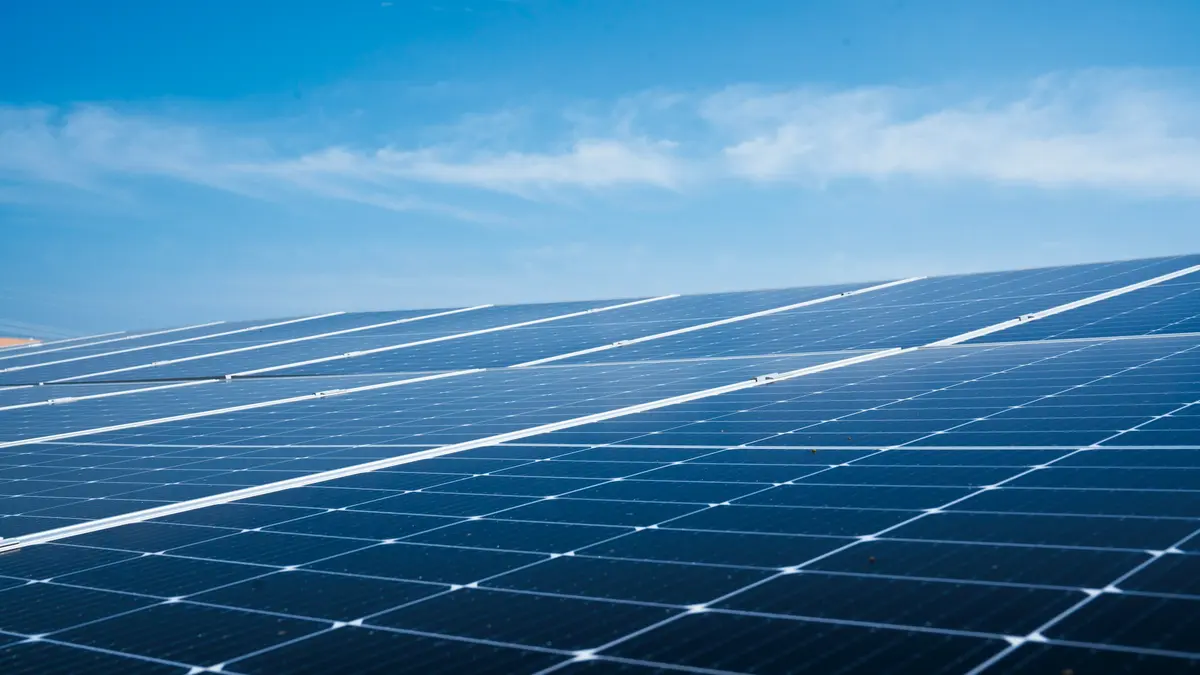
The Public Utility Authority is advancing a transition to a new pricing system for electricity generated from solar rooftops, moving toward a free-market model instead of a fixed, guaranteed tariff for decades. Even smaller rooftops, which will temporarily remain under a guaranteed tariff model, will absorb a significant price cut and a shorter duration: 35.5 agorot per kilowatt-hour by 2030 instead of 48 agorot today, subject to exchange rate fluctuations.
Reduction of Subsidies and New Tariffs
Currently, solar energy subsidies account for about 10% of everyone's electricity bill. The authority's goal is to reduce this subsidy, alongside the sharp drop in installation costs for solar panels and the strengthening of the shekel against the dollar over the years. An important reassuring note: all reductions apply exclusively to new rooftops installed starting in 2027. Those who have already installed a solar roof will continue to enjoy the high price promised to them for 25 years.
According to the draft decision, between 2027 and 2030, an annual reduction of 5% will be applied to the tariff paid to owners of small solar rooftops (up to 15 kilowatts). In total, this represents a cumulative reduction of about 20% by 2030. Furthermore, the tariff will be affected by foreign exchange rates, with half of the shekel-dollar fluctuation added to or mitigating the reduction.
Medium Rooftops and Free Market Competition
Beyond small rooftops, the significant change affects medium-sized rooftops (up to 100 kilowatts), such as those installed on schools and small commercial centers. These producers will have the option to sign a direct deal with a private electricity supplier. Such a rooftop owner will be able to choose between a pre-determined tariff from the electricity grid or transition to a market rate under a free contract with a private supplier, plus a premium from the authority that will decrease over years.
"The transition to a competitive market model will encourage private suppliers to initiate solar installations themselves and reduce government subsidies," noted the authority in its draft.
To incentivize further cost reductions, starting in 2028, grid connection requests for rooftops over 15 kilowatts will no longer be approved automatically. Instead, owners will compete for connection by voluntarily giving up part of their expected premium. Those willing to forgo a higher premium percentage will be prioritized for grid connection.