"Intolerable situation": Supreme Court criticizes segregation in Tel Aviv schools
764 parents claimed their children were discriminated against and separated from Israeli students. The Supreme Court rejected the appeal as 47% of the children have already been integrated, but ordered the municipality and the state to pay 30,000 shekels in legal costs.
Has the Tel Aviv Municipality created, in practice, a system of "separate schools" for the children of asylum seekers in the south of the city? This question was at the center of an appeal decided today, Sunday, by the Supreme Court following a four-year legal process.
The appeal was filed by Yosef Muhammad Brown and 763 other parents of children without legal status living in the Hatikva, Shapira, and Neve Sha'anan neighborhoods. They argued that almost all of their children were assigned to only two schools — "Gvanim" and "Bialik" — while Israeli children study in other schools throughout the city.
According to the appellants, even if no official decision was made to separate the populations, a de facto separate education system was created that harms equality. They requested that the court compel the Tel Aviv Municipality and the Ministry of Education to disperse the students among other schools, even at the cost of expanding the transportation system.
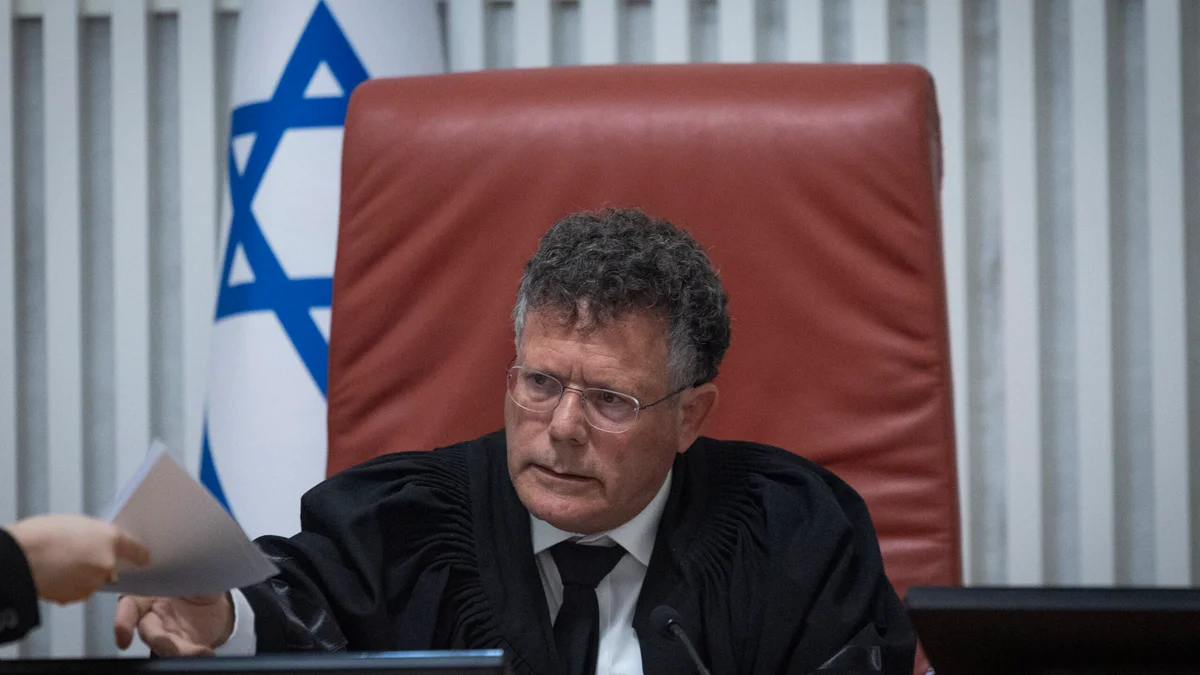
Judge Alex Stein opened the verdict by referencing the historic American ruling in Brown v. Board of Education, which abolished racial segregation in U.S. schools. He noted that the concentration of children without status in the two schools in south Tel Aviv created a situation of segregation.
"This situation is intolerable," he wrote.
Despite the harsh language, the Supreme Court rejected the appeal. The judges explained that the situation has changed since the petition was filed: the Tel Aviv Municipality and the Ministry of Education implemented a pilot program, and today about 47% of the children of those without status are already studying in integrated frameworks. It was further noted that some parents prefer their children to study near their homes, and that an immediate closure of the "Gvanim" and "Bialik" schools could have created chaos ahead of the school year.
However, the court emphasized that the problem remains and called on the state and the municipality to continue integration efforts. Judge Stein recommended examining an expansion of the transportation system, even if it requires legislative changes. The court ordered the Tel Aviv Municipality and the Ministry of Education to pay the appellants 30,000 shekels in legal expenses.