Israeli Grain Importer Shinterco Faces Insolvency Amid 265M Shekel Debt Crisis
Grain importer Shinterco faces insolvency with 265 million shekels in debt, including 225 million owed to banks, following a massive embezzlement scandal and failed investments.
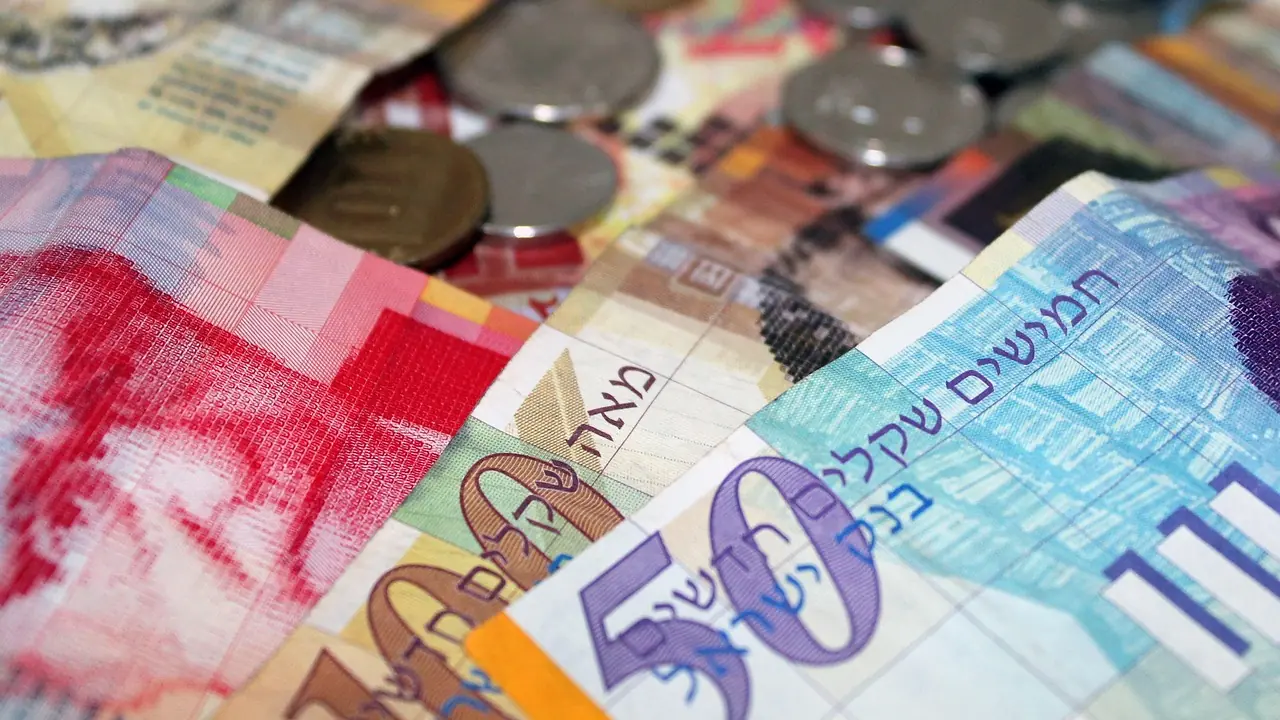
A prominent Israeli grain importer and government emergency inventory contractor has plunged into insolvency with total liabilities reaching 265 million shekels, according to court documents filed by major lending institutions. Bank Hapoalim, Bank Leumi, and Mizrahi-Tefahot Bank petitioned the court to declare the group insolvent and appoint a trustee, citing an unprecedented financial collapse driven by a massive embezzlement scheme, failed investments, and severe shareholder disputes.
Mounting Debts and Embezzlement Allegations
According to the legal filing, the group's obligations to the three major banks total 225 million shekels, divided among Bank Hapoalim at 112 million shekels, Bank Leumi at 75 million shekels, and Mizrahi-Tefahot Bank at 37.5 million shekels. In addition, the companies face over 40 million shekels in external liabilities owed to non-bank creditors, suppliers, local authorities, and employees. Concurrently, non-bank creditor Tseremet Financing filed a 10.5 million shekel lawsuit against the firm this month.
The banks' petition reveals that a senior corporate executive allegedly embezzled approximately 70 million shekels over a four-year period, transferring funds directly to accounts registered in the executive's name while retaining signature authority. The company reportedly discovered the embezzlement years ago but chose to conceal the fraud from lenders while continuing to expand credit lines. A formal criminal complaint was lodged with the police this month. Furthermore, majority shareholder Shalom Hatuka was convicted earlier this month of multi-million-shekel tax offenses committed on behalf of the company, with prosecutors seeking a nine-month community service sentence and a 3.3 million shekel penalty.
Business Operations and Strategic Collapse
Established in 1991, Shinterco operates from offices in Ramat Gan and maintains warehouses in Sede Uziyahu, employing 15 workers. The enterprise imports and markets grain in Israel and the West Bank, participating in government tenders for emergency food reserves alongside subsidiaries including Qatsir Birkat HaAretz and Isra-Bar Oils and Grains. The company's ownership is split between Shalom Hatuka, who holds 49% of the shares, and the Swiss entity PROALUM, owned by Rigas Perdikis, which holds 51%.
A report compiled by external auditor Ariel Alfasi highlights a sharp contraction in business volume. Turnover stood at 836 million shekels in 2022, compared to roughly 265 million shekels between January and September 2026. The auditor attributes the insolvency to three primary factors: 62 million shekels in unsuccessful investments, approximately 43 million shekels in doubtful customer debts, and the multi-year embezzlement. Operations were further strained by import bottlenecks and market volatility stemming from the war in Ukraine, which generated heavy financial losses.
Shareholder Litigation and Legal Representation
Heightening the corporate crisis, a bitter legal battle has erupted between the primary shareholders. In July, Swiss shareholder Rigas Perdikis filed a 3.41 million shekel lawsuit against the company, Hatuka, and CEO Asaf Shahak, who is Hatuka's son-in-law. Perdikis sought an immediate dividend distribution, citing financial statements indicating 127 million shekels in annual profits. Hatuka and Shahak countered that the demand ignored fiduciary duties, pointing to failed ventures including a six million dollar investment in a tea packaging enterprise that collapsed, alongside international trade arbitrations and wartime economic headwinds.
Legal counsel representing Shinterco emphasized ongoing cooperation with financial institutions:
"The company has cooperated fully with representatives of the banking system and will continue to do so in the future. The company believes that the continuation of its operations is vital and necessary for the benefit of all parties involved."
Bank Hapoalim is represented by attorney Amnon Bis from Gornitzky and Co., Bank Leumi is represented by attorney Shirley Yifrah Azur, and Mizrahi-Tefahot Bank is represented by attorney Israel Bakar from Pearl Cohen Zedek Latzer Baratz.