Sharon Region Professionals Abandon Tel Aviv Commutes Amid Severe Traffic
Severe traffic congestion in Israel's Sharon region is sparking a quiet labor market rebellion, with professionals rejecting long daily commutes to Tel Aviv in favor of local jobs and flexible workspaces.
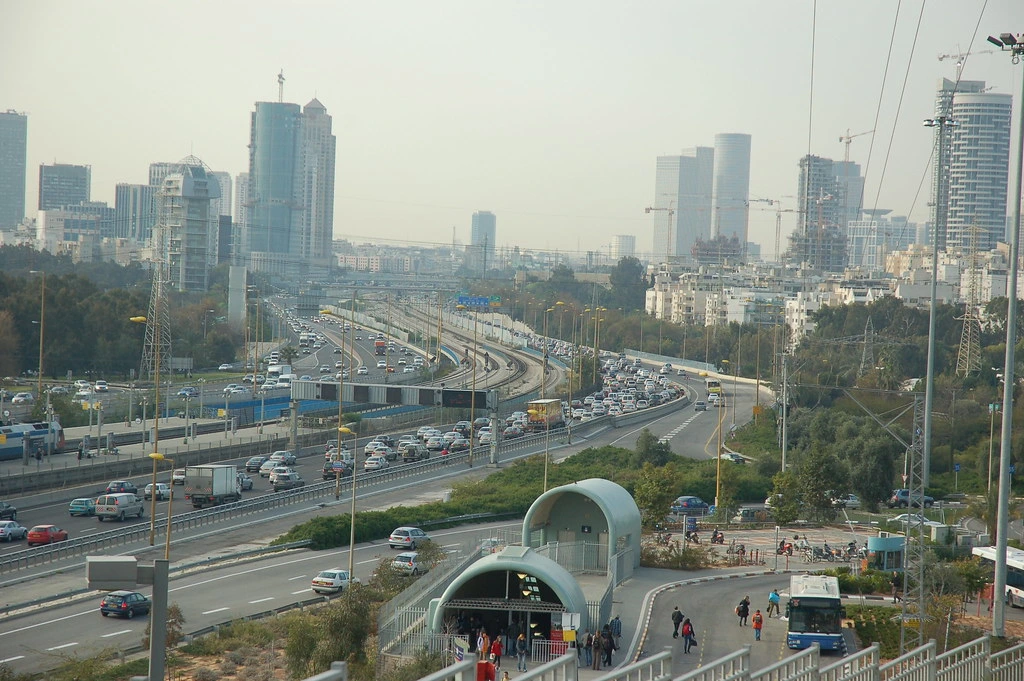
Severe traffic congestion across Israel's Sharon region is driving a quiet labor market rebellion, as professionals increasingly reject long daily commutes to Tel Aviv in favor of local employment, remote work, or flexible hybrid schedules. Commuters report spending hours daily trapped in traffic, prompting a structural shift in how employees evaluate job offers and quality of life.
The Shift Toward Local Employment
Data from placement firms underscores this growing trend. A recent recruitment survey indicates that 1 in 14 job seekers residing in the Sharon region explicitly refuse positions based in Tel Aviv. Furthermore, commuting time and hybrid work options now rank on par with salary considerations when candidates evaluate prospective employers. Recruitment executives note that as corporations tighten hybrid work policies and mandate more in-office days, the grueling commute to Tel Aviv becomes an insurmountable barrier for regional talent.
To avoid highway gridlock, many professionals initially focus their job searches close to home, expanding their radius to Tel Aviv only after months of unsuccessful local searches, and even then demanding strict limits of up to two days per week in the office. Service providers and independent professionals face similar constraints. According to data from trade platforms, only 20 percent of service providers living in the Sharon region offer services inside Tel Aviv, while 45 percent operate as far as Herzliya and Ramat HaSharon but bypass Tel Aviv altogether.
Impact on Regional Infrastructure and Business Hubs
Official traffic data highlights worsening bottlenecks on major regional arteries. Measurements comparing recent periods across routes such as Highway 444, Highway 57, and the Ayalon Highway (Highway 20) reveal significant drops in average travel speeds during both morning and evening rush hours. While some municipal transit projects have advanced, major structural solutions remain years away, with critical additions like the Ayalon fourth railway track slated for completion only in 2032.
This daily gridlock has fueled surging demand for shared workspaces and flexible offices across the Sharon region, as employers and workers seek alternatives closer to home. Operators of co-working spaces in cities like Kfar Saba, Raanana, and Caesarea report double-digit annual increases in professionals leaving Tel Aviv-based offices to lease desks locally. Flexible workspace managers note that companies increasingly establish satellite hubs in the Sharon region or split operations across multiple locations to accommodate employees.
Economic Consequences for Tel Aviv and the Wider Economy
Municipal leaders and economists warn that severe traffic congestion acts as a direct brake on national economic growth and productivity. Meital Lehavi, Deputy Mayor of Tel Aviv-Yafo for Transportation and Road Safety, emphasized the wider economic fallout:
"When a resident from the Sharon region foregoes a job opportunity in Tel Aviv due to traffic congestion, not only do they lose a career opportunity, but the city, the employer, and the entire economy lose growth."
Local authorities and transportation experts argue that lasting solutions require massive investment in reliable mass transit, regional metropolitan transport authorities, and dedicated public transit lanes. While the Ministry of Transportation highlights ongoing infrastructure upgrades—including expanded railway frequencies, upgraded stations, and the newly launched fast lanes project between Shefayim and the HaShalom Interchange—many commuters find that private vehicles remain the only practical, albeit frustrating, option for daily travel.