Ex-NSO Chief Shalev Hulio Urges Governments to Build Sovereign AI Models
Former NSO CEO Shalev Hulio urges governments to build independent artificial intelligence models to protect sensitive national data from foreign tech giants, highlighting his new cybersecurity venture Dream.
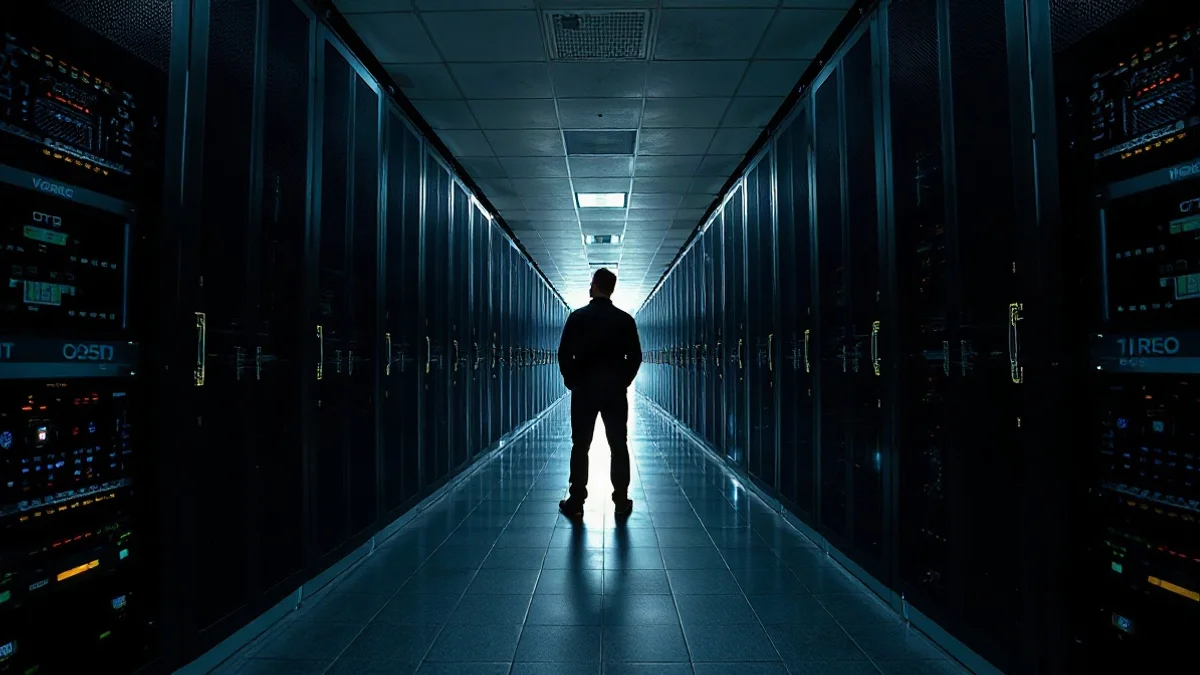
Governments worldwide must develop and operate independent artificial intelligence models rather than entrusting sensitive national data to American technology companies, according to Shalev Hulio, the former founder and CEO of NSO Group. In an interview with the Financial Times, Hulio warned against the growing dependence of nations on foreign technology suppliers, emphasizing that artificial intelligence has evolved into critical national infrastructure.
"Every government needs to have its own model," Hulio stated. "They must not take the risk that one day someone will wake up and decide to shut down their model, because artificial intelligence is critical infrastructure. You want to control your own artificial intelligence."
Hulio's remarks reflect a new strategic direction for a figure once considered one of the most prominent and controversial leaders in the offensive cyber industry. Today, he heads Dream, a firm offering governments tools to safeguard their most sensitive data and leverage it through custom-tailored artificial intelligence systems.
Yet this vision comes from the entrepreneur who built his reputation during the past decade as co-founder and CEO of NSO, the Israeli spyware manufacturer that faced severe international criticism. Hulio himself confronted harsh allegations over the deployment of the Pegasus software. Despite mounting pressure, the 45-year-old entrepreneur expresses no remorse, arguing that his extensive experience selling cyber intelligence technologies to governments provides a distinct advantage for his new venture.
Building Autonomous Defenses and Sovereign AI
Founded in 2022 following a chance meeting between Hulio and former Austrian Chancellor Sebastian Kurz, Dream initially focused on providing cybersecurity services to governments. However, the founders quickly recognized the massive potential of artificial intelligence in threat mitigation. When Hulio pitched the concept to American investors in December 2022, the reception was skeptical, with venture capitalists questioning the timeline for autonomous cyber attacks.
Since then, Dream has raised over $400 million, reaching a valuation of approximately $3 billion in June. Investors include Bain Capital Ventures and Tau Capital, an Abu Dhabi-based fund backed by Sheikh Tahnoon bin Zayed Al Nahyan, the United Arab Emirates national security advisor. The company's flagship cybersecurity product, Sphere, utilizes artificial intelligence to protect critical infrastructure from hostile state attacks, while its Hero system autonomously detects and patches software vulnerabilities.
Expanding beyond cybersecurity, Dream launched Atlas in June, an artificial intelligence platform designed to enable governments to develop and deploy dedicated models on their own infrastructure without relying on external cloud providers. Unlike general-purpose large language models such as OpenAI's ChatGPT or Anthropic's Claude, Dream's solution relies strictly on proprietary government data, optimized for classified intelligence analysis and procurement processes.
Headquartered in Tel Aviv with offices in Vienna and Abu Dhabi, Dream has expanded to approximately 350 employees within three years, deploying its cybersecurity solutions to more than a dozen nations across Europe, Asia, and the Middle East.