West Bank Extremist Violence Threatens Israeli Economy with Billions in Losses
Escalating extremist settler violence in the West Bank is triggering international sanctions, trade boycotts, and supply chain disruptions, threatening billions of shekels in economic damage to Israel.
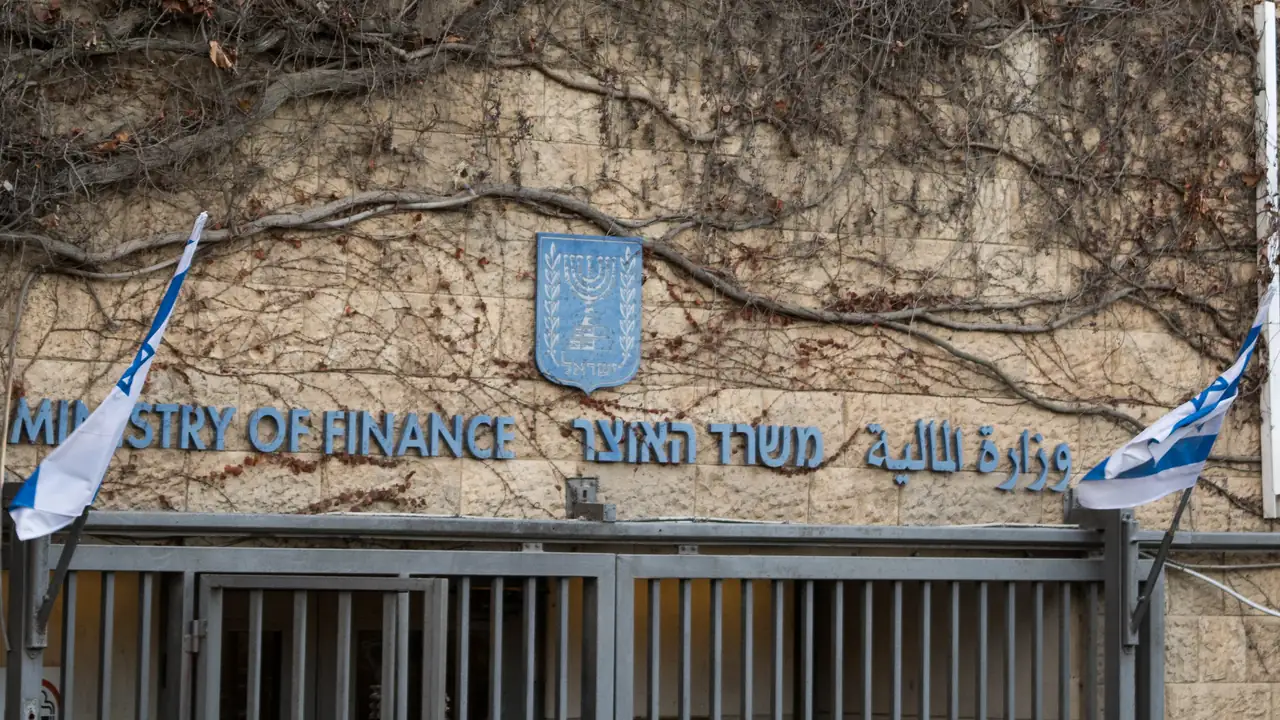
A surge in nationalist violence and extremist settler attacks against Palestinians in the West Bank is exacting a heavy economic toll on Israel, threatening billions of shekels in damages. Senior officials within the Ministry of Finance and the defense establishment warn that international trade ties, exports, and imports are increasingly imperiled as global fallout widens.
Escalating Unrest and International Backlash
The economic alarm follows a series of high-profile violent incidents that have drawn global media condemnation. In one recent weekend, a wave of arson attacks struck four locations across the West Bank, including three villages near Ramallah and an area around Mount Hebron. Days earlier, a mosque in the Galilee village of Dahi was torched and vandalized with nationalist graffiti, prompting an ongoing investigation by the Israel Police and Shin Bet / Shabak as a hate crime. These events compound persistent grievances over property destruction, agricultural vandalism, and clashes with security forces, occurring against the backdrop of the cancellation of administrative detentions by Minister of Defense Israel Katz and a widespread lack of arrests.
Financial and security authorities warn that scenes of lawlessness are translating directly into quiet boycotts, supply chain disruptions, and targeted economic sanctions from key trading partners. A senior Treasury official emphasized the gravity of the situation:
"The damage is so vast that while some discussions remain confidential, in certain cases we have been formally notified that economic ties with Israel are being suspended for the time being. Those who witness mosques set ablaze and women and children fleeing bleeding from hilltop youth simply refuse to maintain any further connection with us until these scenes disappear entirely."
Expanding Sanctions and Trade Restrictions
The United Kingdom recently expanded its sanctions regime to target Israeli construction and development companies operating beyond the Green Line, enacting asset freezes and severe financial restrictions. Analysts warn that these measures could soon extend to Israeli commercial banks, potentially explaining the sluggish performance of bank shares despite recent reports of record profits. Concurrently, European nations such as the Netherlands have implemented import bans on goods originating from settlements, fueling anxieties within the Ministry of Finance that the boycotts could engulf the broader Israeli economy.
Exporters report resorting to concealment tactics, masking their Israeli identity by routing shipments through shell companies or foreign distributors to prevent transaction cancellations. Manufacturers' Association President Avraham Novogrodsky noted that the negative imagery from the West Bank has already severed commercial relationships for several local exporters.
Supply Chain Disruptions and Industry Warnings
The crisis is also throttling supply chains and inbound shipping. Government ministries have received reports that dockworker unions in major European ports are blocking the docking and unloading of cargo vessels carrying vital raw materials for Israeli industries, particularly the defense sector. These maritime bottlenecks drastically increase shipping costs, jeopardize corporate production schedules, and threaten manufacturing continuity.
Lior Levi, CEO of Biscol and Chairman of the Food and Cosmetics Industries Association, detailed the downward trend in European trade:
"The circle of boycotts is expanding, and we are witnessing a worrisome trend in consumer goods exports to Europe, which remains a primary target market. Over the past two years, the cosmetics sector has recorded an average annual decline of roughly 10%, and in 2025, Israeli beverage and food exports to the European Union dropped by 12.5%. The Israeli food and consumer goods industry requires stability, trust, and open access to international markets."
In response to the mounting international isolation, economic leaders, Treasury officials, and defense personnel are pressing the political echelon and law enforcement agencies to clamp down decisively on extremist rioters and reinstate administrative detentions to safeguard the nation's financial stability.