Israel Ends Era of Routine Coal Power with Transition to Natural Gas
Israel is ending routine coal-fired power generation as the IEC converts plants in Ashkelon and Hadera to natural gas, promising cleaner air and emergency coal backup.
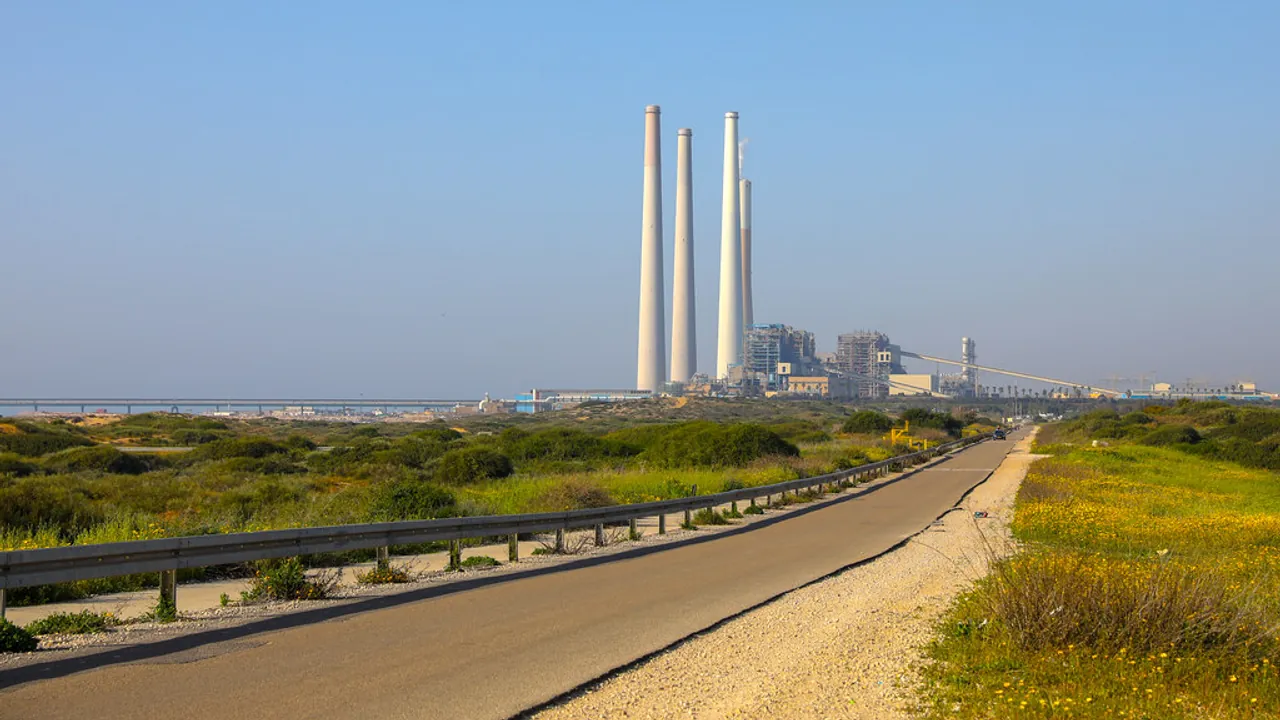
The Israel Electric Corporation is advancing toward the close of an era, phasing out routine coal-fired electricity generation across the country. Following the completed conversion of four coal-generating units at the Rothenberg power station in Ashkelon to natural gas operations, company teams have initiated conversion works at the Orot Rabin power station in Hadera.
For decades, coal served as a primary energy source for power generation in Israel. The completion of the transition to natural gas across these coal-fired units is projected to drive a significant reduction in air pollutants and greenhouse gas emissions, directly improving air quality for residents in Hadera and the Sharon region.
Conversion efforts at the Hadera power station currently focus on generating units 5 and 6, which are inactive at this stage. The conversion of unit 5 has already commenced and is scheduled to resume operations utilizing natural gas by the end of the first quarter of 2027. Subsequently, unit 6 will also undergo conversion, marking the definitive conclusion of routine coal usage for electricity generation nationwide.
To address potential wartime scenarios or disruptions at offshore gas rigs, the Israel Electric Corporation emphasizes that the converted generating units will retain the capability to operate on coal during emergencies. This operational safeguard covers wartime conditions where natural gas supplies from production rigs might be temporarily compromised or halted.
IEC CEO Meir Spiegler highlighted the significance of the shift:
"This is a historic milestone for the State of Israel and for the electricity sector. The conversion to natural gas allows for generation using coal as an emergency backup when necessary, providing the nation's energy insurance policy—a winning combination of environmental progress and national responsibility."
Maintaining dual-fuel readiness ensures that the grid can withstand geopolitical shocks while permanently curbing day-to-day pollution levels.