US Treasury Secretary Scott Bessent Praises Digital Currencies to Protect Dollar Dominance
US Treasury Secretary Scott Bessent highlighted digital currencies as strategic assets for preserving the dollar's global reserve status during the Swell conference in New York. Bessent emphasized technological leadership alongside banking integration as crypto prices and regulatory frameworks evolve.
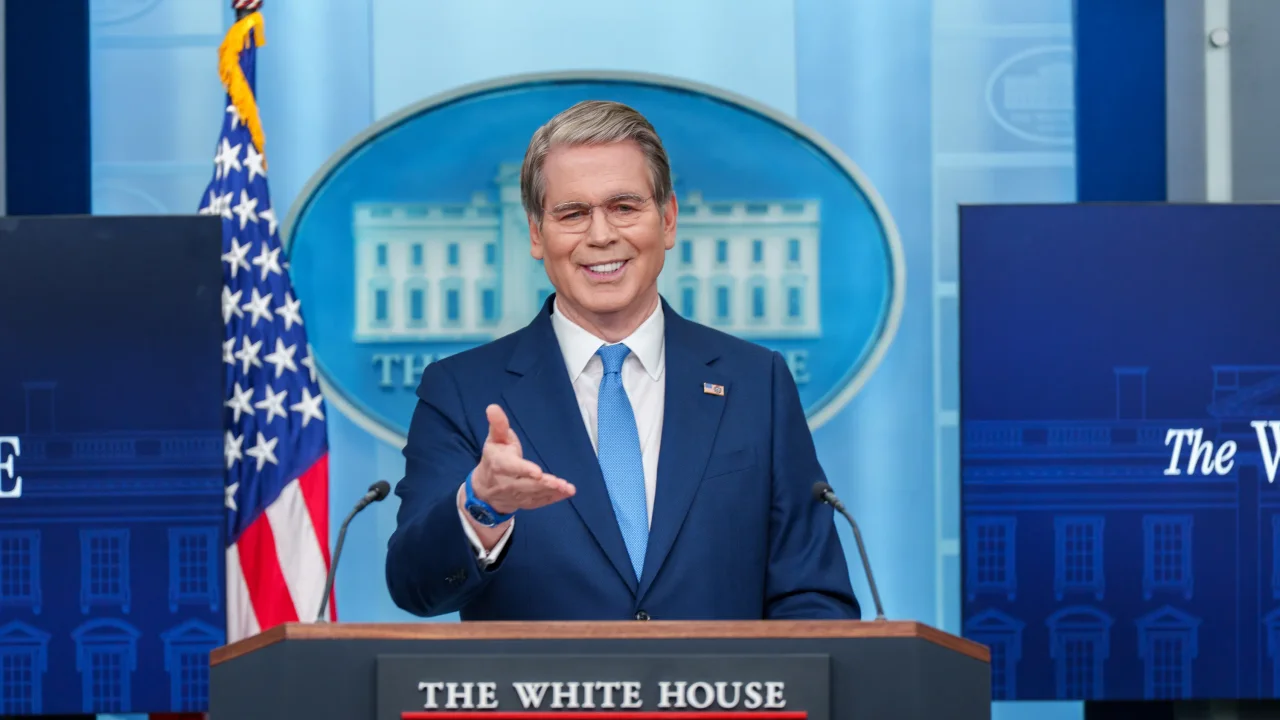
United States Treasury Secretary Scott Bessent presented an approach viewing digital currencies as part of the economic framework aimed at preserving the dollar's status as the international reserve currency. Speaking in a public conversation with Ripple CEO Brad Garlinghouse at the Swell conference in New York, Bessent noted that the power center of leading global digital currencies is undergoing a shift, with the administration viewing digital payment networks as a strategically vital asset.
According to Bessent, while the dollar's status historically relied primarily on military might and deterrence, technological leadership now carries significant weight in the balance. Bessent stated that the US will continue providing a security umbrella for its allies, emphasizing that this umbrella is gradually taking on a technological character.
This perspective compares the competition in payment infrastructures and digital currencies to the race against China in artificial intelligence and semiconductors, driven by the understanding that control over financial networks affects the global reach of the American currency.
Addressing the role of dollar-pegged stablecoins, the Treasury Secretary noted that over 90% of them globally are backed by dollars. Issuing companies hold reserve assets including US government bonds, meaning that their expanding use increases government bond purchases and serves as a direct financing source for the Treasury.
Bessent dismissed the claim that stablecoins merely convert existing bank deposits, explaining that in countries facing high inflation and local currency depreciation, stablecoins provide citizens with access to the dollar and expand global demand for the currency.
Alongside these remarks, crypto asset prices saw increases: Bitcoin rose by 2% to trade around 81,500 dollars, Ethereum climbed 2.2% to 2,350 dollars, Solana gained 2.5% to 102 dollars, and Ripple (XRP) rose 2% to 1.32 dollars.
On the regulatory front, efforts to regulate the sector face political complexities. While the GENIUS Act was approved in the summer of 2025 establishing a federal framework for stablecoins requiring dollar or bond backing ahead of its January 2027 implementation, the CLARITY Act aimed at structuring the crypto market was stalled in the Senate last September.
In response, Bessent noted that the Treasury will act within its authority to promote oversight through cooperation between the Securities and Exchange Commission (SEC) and the Commodity Futures Trading Commission (CFTC), aiming to set rules and reduce instances of banking services denial for sector companies.
Meanwhile, a day prior to Bessent's appearance, Ripple announced it received final approval from the Office of the Comptroller of the Currency (OCC) to establish a dedicated federal trust bank, which will manage RLUSD stablecoin reserves and provide custody services to institutional entities. These developments highlight a growing integration between digital asset companies and the regulated banking system, with further legislative developments to be influenced by the US midterm election results on November 3.