Saudi Arabia Struggles Against Houthi Asymmetric Threat Despite Massive Budget
Despite an $82 billion annual military budget, Saudi Arabia struggles to counter cheap Houthi drone attacks due to asymmetric warfare mismatches and structural military flaws.
Saudi Arabia Struggles Against Houthi Asymmetric Threat Despite Massive Military Budget
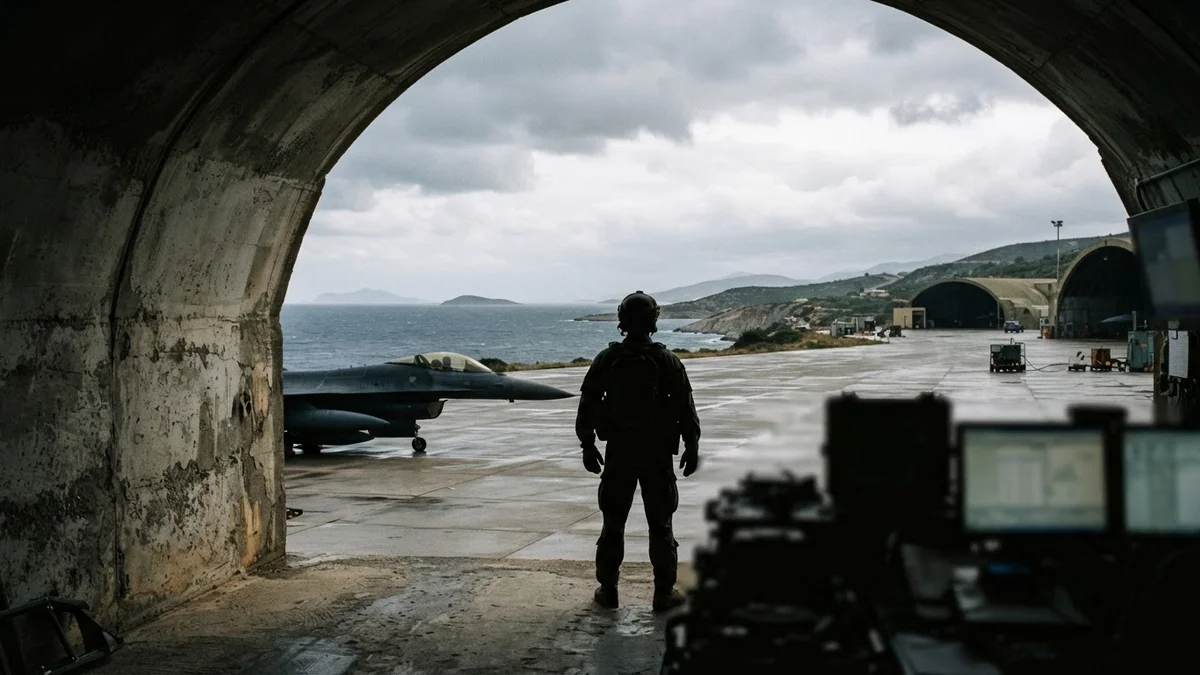
Despite investing hundreds of billions of dollars over decades to build an advanced military with an annual budget exceeding $82 billion, Saudi Arabia struggles to intercept lethal Houthi drone and missile attacks from Yemen. According to a New York Times report, military experts explain that Riyadh's core vulnerability lies in its mismatch against asymmetric warfare.
The kingdom invested heavily in high-end, prestigious weaponry, yet struggles to intercept cheap drones and low-flying cruise missiles operating below ground-based radar coverage. This radar network is primarily concentrated in the country's east due to historical concerns regarding Iran and Iraq.
Using a Patriot missile costing over $3 million to shoot down a drone priced between $15,000 and $25,000 is akin to trying to crush a mosquito with a sledgehammer, analysts noted.
Simultaneously, conflicts in Ukraine and the Middle East have created a global shortage of interceptors, while the Houthis have begun manufacturing their own weaponry and diversifying supply chains.
Structural Flaws and Geopolitical Shifts
Beyond technological hurdles, the Saudi military suffers from severe structural flaws. To prevent military coups, the force was split into two separate branches—the regular army and the National Guard. Both are controlled by princes and characterized by centralized decision-making that undermines operational flexibility and maintenance, which still relies heavily on Western contractors.
Following recent US President Donald Trump's rejection of Riyadh's requests for military assistance amid inconclusive US engagements against the Houthis in 2025, Saudi Arabia invoked a mutual defense agreement signed last August with Pakistan and Turkey to bolster intelligence and communications.
Israeli researcher Danny Citrinowicz warned that the precarious situation of the key US ally cannot be ignored. A Houthi victory or a political settlement forced upon Saudi Arabia under military pressure would constitute a massive strategic achievement for Iran and its axis.