Beyond the Beaches: Exploring Sardinia's Ancient History and Wild Interior
While Sardinia is famed for its beaches, its rugged interior reveals prehistoric Nuragic towers, wild mountain valleys, ancient carnival traditions, and rich local winemaking.
While travelers traditionally flock to Sardinia for its pristine white-sand beaches and turquoise waters, the second-largest Mediterranean island holds a rich interior of rugged mountains, ancient history, and centuries-old traditions. Beyond the coastal yachts and luxury resorts lies a deeply preserved cultural landscape that dates back millennia before the Roman Empire.
Prehistoric Wonders and Spanish Noble Estates
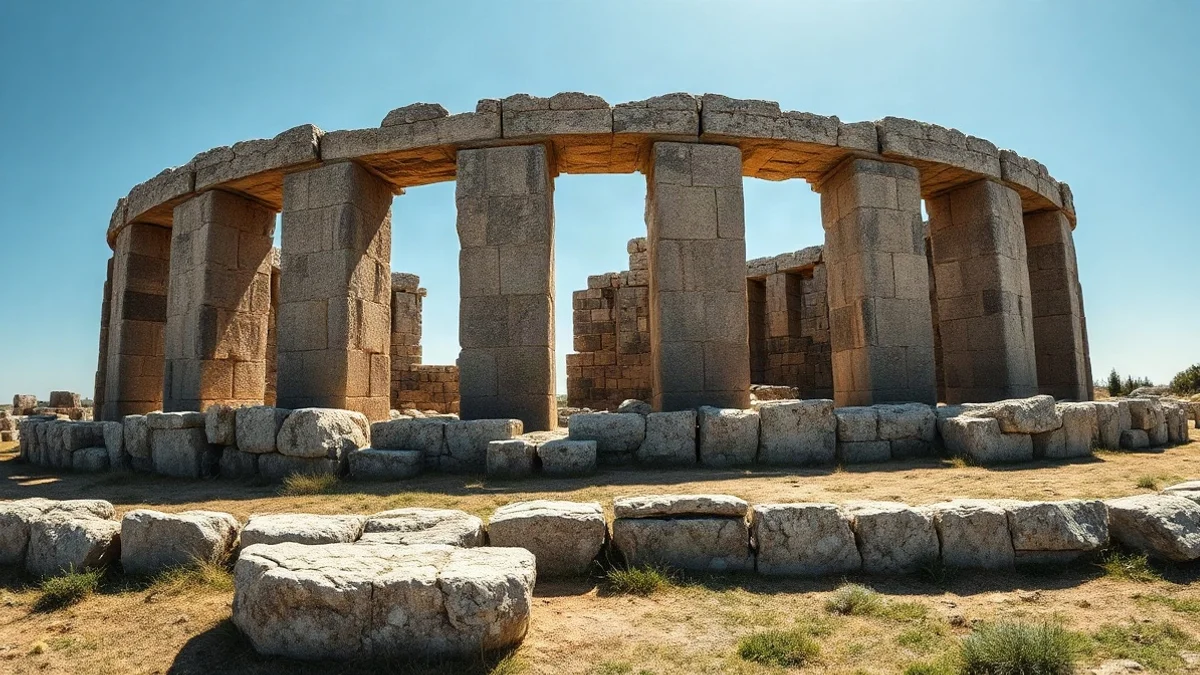
Sardinia's deep history is anchored by the Nuragic civilization, which flourished during the Bronze Age. Near the town of Barumini stands the UNESCO World Heritage site of Su Nuraxi, an impressive complex of massive stone towers, walls, and chambers built without mortar over 3,000 years ago. Visitors can walk among these ancient megaliths to examine a unique architectural tradition that predates classical antiquity.
Nearby stands Casa Zapata, a 16th-century Spanish noble palace constructed directly atop the ruins of an ancient Nuragic structure. When restoration work uncovered the older foundation beneath the palace, architects installed glass flooring, allowing visitors to tour both a Spanish baronial residence and prehistoric stone towers simultaneously.
Wild Landscapes and Shepherding Traditions
Venturing into the mountainous interior reveals the Gennargentu range and the forested Aritzo region, known for chestnut groves, crisp alpine air, and traditional festivals. Exploring these winding mountain tracks by off-road vehicle reveals dramatic vistas where quiet solitude remains an authentic attraction.
Shepherding forms a foundational pillar of Sardinian culture, merging livestock rearing with culinary heritage. Outdoor shepherd lunches feature artisanal Pecorino Sardo cheese alongside crisp Pane Carasau flatbread, traditional cured meats, and local wines. Further east, the wild Supramonte region and the Valle di Lanaitto feature steep limestone cliffs, deep canyons, and prehistoric caves such as Sa Oche and Corbeddu.
Murals, Carnivals, and Distinctive Wines
In the mountainous Barbagia district, the village of Orgosolo exhibits hundreds of political and social murals painted across building facades, reflecting the community's fierce independent spirit. Nearby in Mamoiada, ancient carnival traditions come alive through the Mamuthones, figures draped in sheepskins and heavy bronze cowbells who perform ritual processions dating back centuries.
Sardinian winemaking also commands international acclaim, driven by indigenous grape varieties such as Cannonau for rich reds and Vermentino for aromatic whites. Historic family estates like Argiolas in Serdiana and Olianas in Gergei produce distinguished regional vintages that express the island's unique terroir and deep-rooted agricultural pride.
Coastal Towns and Capital Culture
The island's capital, Cagliari, rises across hills overlooking the sea, featuring the historic Castello district, Roman ruins, and a culinary scene blending seafood with mountain fare. Local specialties include malloreddus gnocchi and hand-folded culurgiones pasta stuffed with potato, cheese, and mint.
Along the coast, towns like Bosa display colorful pastel houses beneath the Malaspina castle, while Alghero preserves its Catalan heritage through local dialects, medieval fortifications, and historic ramparts overlooking the Mediterranean. Sardinia ultimately rewards travelers willing to venture beyond the coastline with an immersive journey through time, nature, and living tradition.