Hanukkah 2026 Calendar: Candlelighting Dates, School Break and Holiday Guide
Hanukkah 2026 begins on December 4, bringing an eight-day festival of candlelighting, traditional foods, and school vacations across Israel while workplaces operate normally.
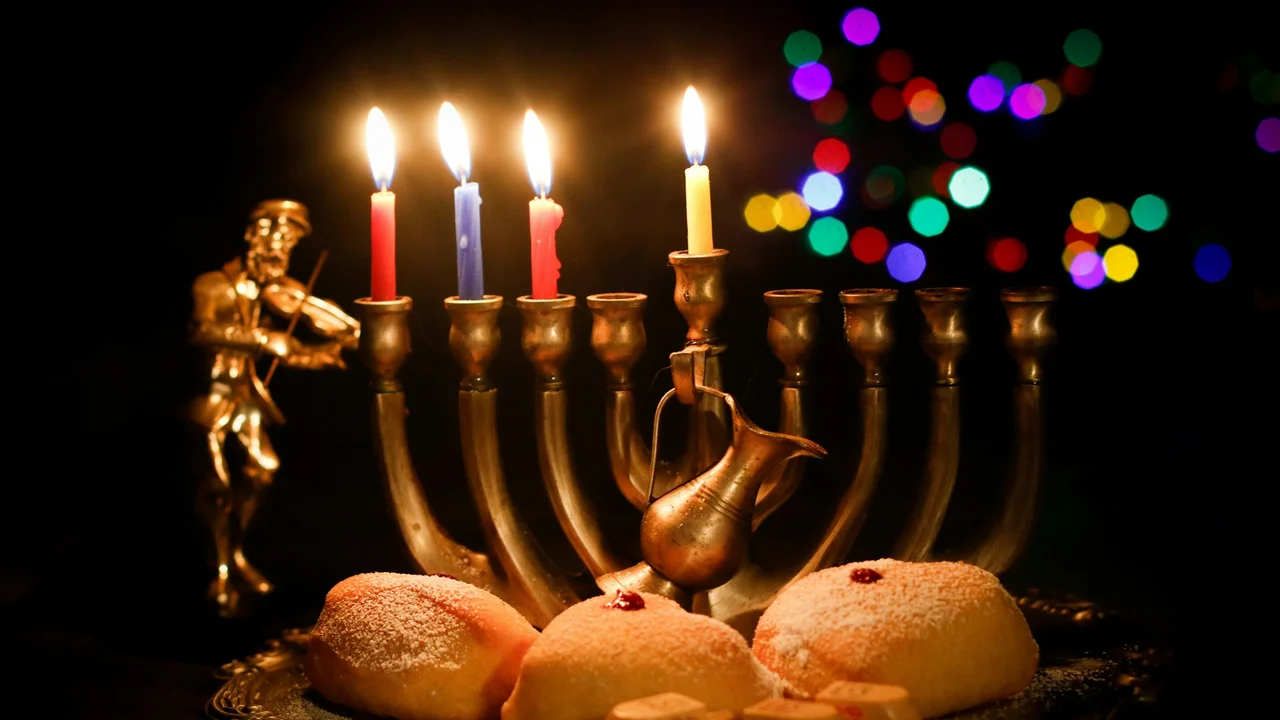
Hanukkah 2026 begins on Friday, December 4, with the lighting of the first candle prior to the onset of the Sabbath. The eight-day festival continues through Saturday, December 12, culminating in the final evening known as "Zos Hanukkah". While school systems observe a scheduled break, general business operations across the country continue as usual throughout the holiday period.
Candlelighting Schedule and Traditions
The festival commemorates the historical victory of the Maccabees over the Greeks, the rededication of the Temple in Jerusalem, and the miracle of the cruse of oil that burned for eight days. Official candlelighting dates and times for 2026 follow a precise daily sequence:
- First candle: Friday, December 4, before Sabbath entry.
- Second candle: Saturday, December 5, after Sabbath conclusion.
- Third candle: Sunday, December 6.
- Fourth candle: Monday, December 7.
- Fifth candle: Tuesday, December 8.
- Sixth candle: Wednesday, December 9.
- Seventh candle: Thursday, December 10.
- Eighth candle: Friday, December 11, before Sabbath entry.
Families add one flame to the hanukkiah each evening, alongside the auxiliary shamash taper used forkindling. On Fridays, candles are lit before sunset and must contain enough fuel to burn for at least a half-hour after nightfall. Traditional blessings are recited prior to lighting, including the "Shehecheyanu" blessing on the opening night, followed by hymns such as "Maot Zur" and the reading of "Haneirot Halalu".
School Vacation and Workplace Status
According to the Ministry of Education official calendar for the 2026-2027 academic year, the Hanukkah student break runs from Sunday, December 6, through Saturday, December 12. Children in kindergartens, elementary schools, middle schools, and high schools return to classes on Sunday, December 13. Regular classes take place on Friday, December 4, as the vacation does not begin concurrently with the first night of candlelighting. Specialized educational sectors operate under their respective independent calendars.
Unlike biblical festivals such as Passover or Sukkot, Hanukkah is not classified as a legal day off from work. Commercial enterprises, offices, and public services maintain normal operating schedules. Employees may request annual leave days during the week according to standard workplace regulations or collective labor agreements.
Liturgical Additions and Holiday Customs
Daily prayer services incorporate special thanksgiving passages, including the "Al HaNissim" addition during the Amidah and Grace after Meals, alongside the full Hallel recitation during morning prayers. The monthly Rosh Chodesh Tevet observances coincide with Thursday and Friday, December 10 and 11, integrating specialized Torah readings and prayers for those dates.
Cultural customs center on publicizing the holiday narrative by displaying the hanukkiah in prominent household windows or doorways. Culinary traditions feature oil-fried foods such as sufganiyot and latkes. Children traditionally play with a four-sided dreidel inscribed with Hebrew letters denoting the phrase "A great miracle happened here", while families frequently exchange gifts or money known as gelt.